REVIEW · GRAND CANYON VILLAGE
Grand Canyon Dancer Helicopter Tour from South Rim 25 min
Book on GetYourGuide →Operated by Maverick Airstar - South Rim · Bookable on GetYourGuide
Geology and canyon views in just 25 minutes. I love the wraparound glass windows and how the flight makes the Grand Canyon feel close, not distant. I also like the small-group setup, capped at 7 participants, so the experience stays personal even though you are flying fast.
The only real trade-off is time. It is short, so you get incredible aerial highlights, but you do not spend long on the ground taking it all in.
If you want a high-impact Grand Canyon view without a full day, this is a smart way to do it from the South Rim, flown in ECO-Star helicopters with leather seating and noise reduction features.
In This Review
- Key highlights you’ll feel in the air
- A 25-minute helicopter ride with big South Rim energy
- From South Rim to Kaibab National Forest: the views start fast
- Tower of Ra and Vishnu Schist: seeing geology without the guesswork
- The Dragon Corridor: widest and deepest means sharper perspective
- Over the Colorado River toward the North Rim
- Inside the Canyon Dancer: comfort and visibility matter
- Price and value: what $309 buys you in real life
- Logistics you’ll actually care about at the terminal
- What to bring, what to skip, and how to prep
- Weight, seating, and the reality of where you sit
- Who this flight fits best (and who might rethink it)
- Should you book the Grand Canyon Dancer from the South Rim?
- FAQ
- How long is the Grand Canyon Dancer helicopter tour from the South Rim?
- Where do I meet for the tour?
- When should I arrive?
- What does the ticket price include?
- What do I need for check-in?
- Is the group size small?
- Is there a weight limit?
- What items are not allowed on the flight?
Key highlights you’ll feel in the air
- South Rim airport to Kaibab National Forest: your first big sky-and-canyon look comes quickly
- Tower of Ra and Vishnu Schist from above: you see classic rock layers without the museum lecture
- The Dragon Corridor: the widest and deepest canyon section on this route
- Old exposed rock layers: a rare chance to spot geology by sight, not just by reading
- Colorado River toward the North Rim: you get a full-canyon arc in a tight flight window
A 25-minute helicopter ride with big South Rim energy
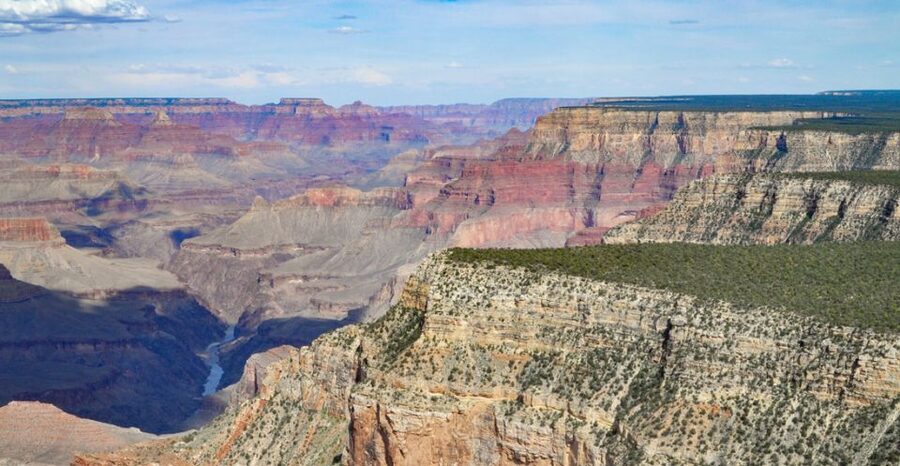
This is a 25-minute Grand Canyon helicopter tour from the South Rim, departing from the Grand Canyon South Rim Airport. The whole point is focus: you trade long drives and long waits for a rapid, concentrated look at the canyon from multiple angles.
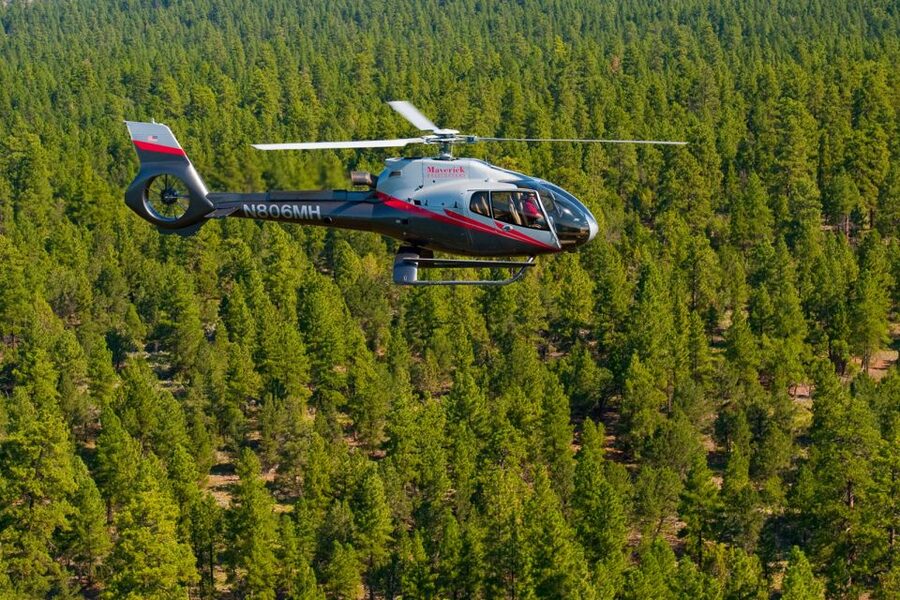
The flight is done in state-of-the-art ECO-Star helicopters with individual leather seats, wraparound glass for strong visibility, and noise-reduction design both inside and outside. In plain terms, it is easier to stay comfortable and actually see what you paid to see.
You are also getting a live English tour guide. That matters more than you might think, because helicopter windows can turn everything into a blur unless someone points out what you’re looking at.
From South Rim to Kaibab National Forest: the views start fast
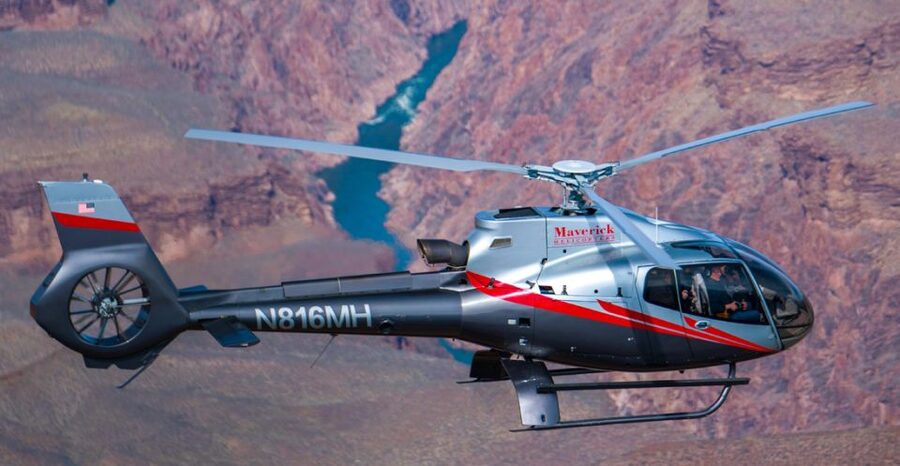
You begin at the terminal at 107 Corsair Dr., Grand Canyon, AZ 86023, so you start in the thick of it, not halfway across the park. After check-in, you lift off and head over the Kaibab National Forest before you even enter the Grand Canyon itself.
I like this first leg because it builds context. From the air, the forested landscape gives you a sense of scale—then the canyon walls start rising up like a different world. If you only knew the canyon from overlooks, the aerial view helps you understand the canyon’s shape, not just its depth.
One practical note: in a short 25-minute flight, every minute counts. This route wastes almost none of them.
Tower of Ra and Vishnu Schist: seeing geology without the guesswork
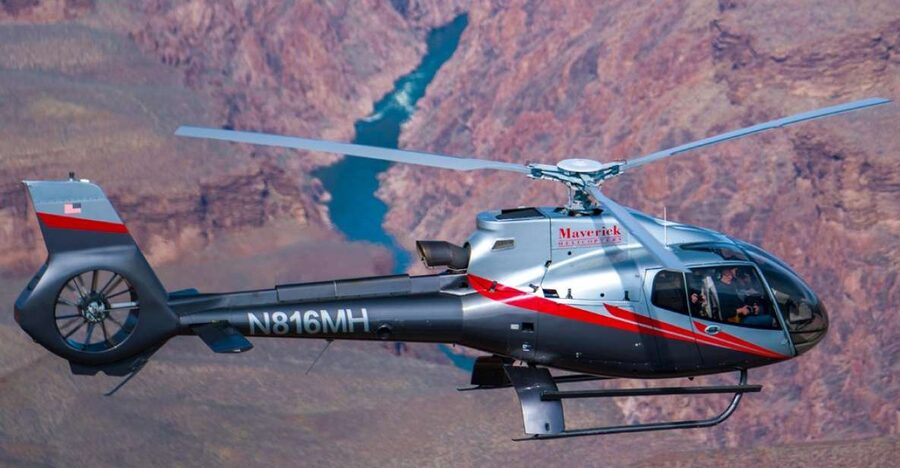
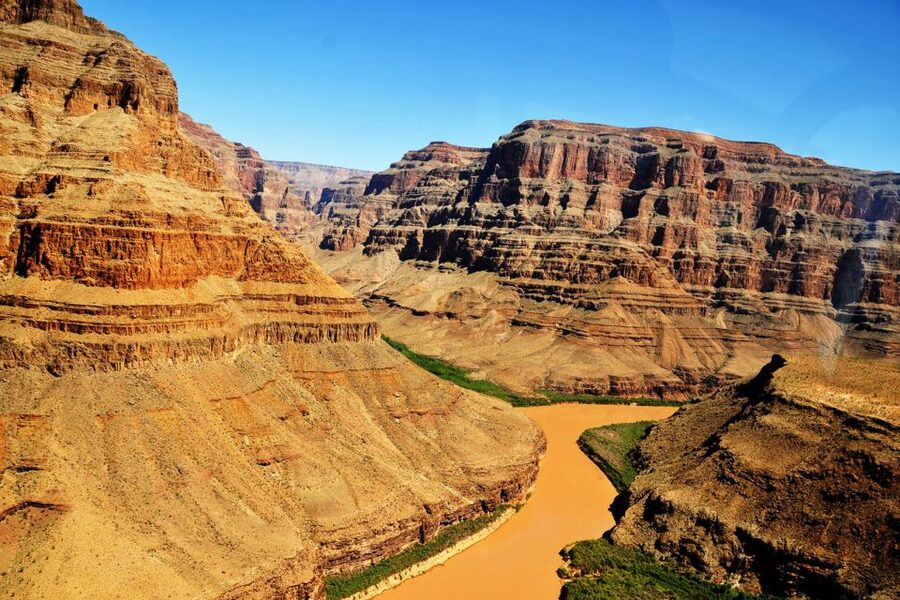
Once you’re over the canyon, you get panoramic views that include the Tower of Ra and Vishnu Schist. These names are not just trivia; they help you read what you are seeing from above.
Vishnu Schist is one of those rock-layer references people hear in Grand Canyon geology discussions, and from the air it becomes more than a name. You can visually track the way layers stack and cut, and that makes the canyon feel like a giant cross-section you are flying over.
Tower of Ra helps too. It gives you a recognizable landmark while you’re moving quickly. The result is you do not just look down—you actually connect shapes to story.
The Dragon Corridor: widest and deepest means sharper perspective
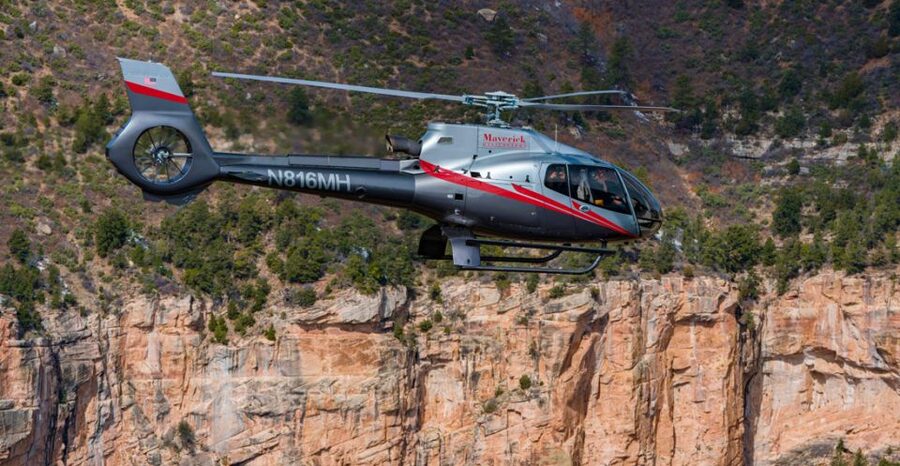
The flight then moves south through the Dragon Corridor, described as the widest and deepest part of the canyon. If you’re wondering why that section is so important, it is because width and depth change the way the walls look from the air.
When a canyon is narrower, you tend to focus on the edges. When it opens up—as it does in the Dragon Corridor—you see more of the canyon’s internal geometry: broad sweeps, dramatic drops, and long lines of exposed rock layers.
This is also where the tour highlights one of the main wow factors: you get to witness some of the oldest exposed rock layers in the world. You cannot literally measure rock age from a helicopter seat, but you can understand why guides talk about time here. Layers exposed to air and light are visible proof that the canyon formed through deep, slow change.
Over the Colorado River toward the North Rim
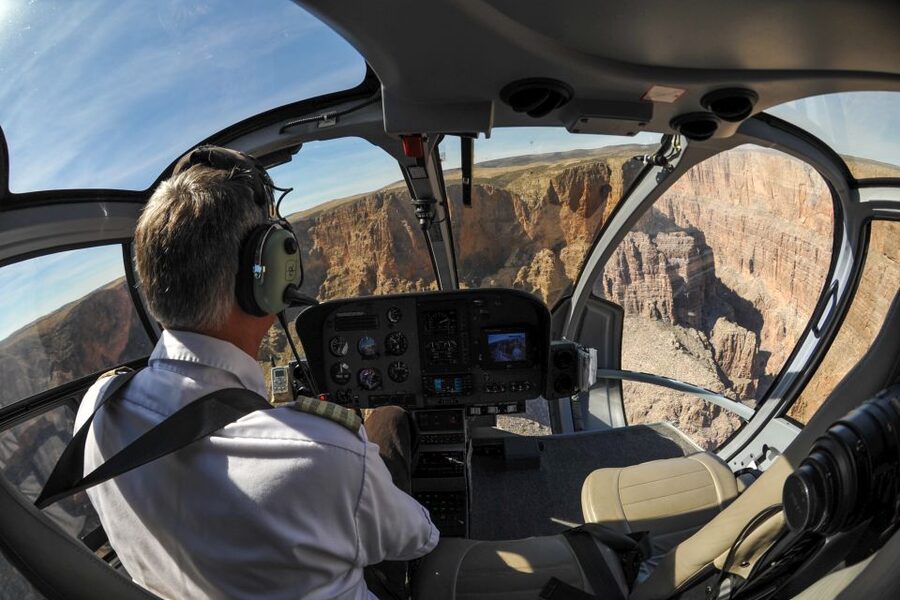
After the core canyon section, you soar over the Colorado River toward the North Rim. The North Rim is one of the “Seven Natural Wonders of the World,” so this route is essentially built to give you a sense of the canyon as a full system, not just a one-side postcard.
From above, the river becomes a guiding line. Your eyes follow it because it is the one moving feature that contrasts with the canyon’s hard, layered walls. That contrast helps you understand how the canyon carves through the terrain over time.
Even though you are flying and moving quickly, this part tends to feel like the tour’s finish line: you get the canyon’s scale, then you see it stretching toward the far side.
Inside the Canyon Dancer: comfort and visibility matter
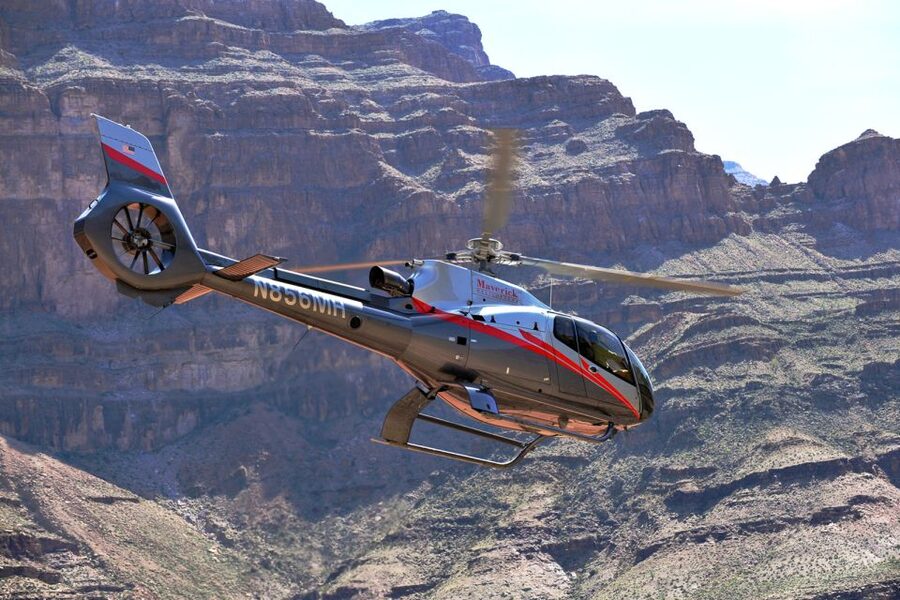
This tour uses ECO-Star helicopters equipped for passenger comfort. You get individual leather seats, wraparound glass for outstanding visibility, and exceptional noise-reduction features inside and out.
In helicopter terms, those details change your experience. When the cabin is quieter and the windows give real coverage, you are more able to:
- keep your eyes on the canyon instead of adjusting posture
- hear the guide clearly in English
- take in the view without getting fatigued
Group size is also part of the quality. With up to 7 participants, you are not packed in like a bus. That can make it easier to settle, listen, and enjoy rather than just endure.
Price and value: what $309 buys you in real life
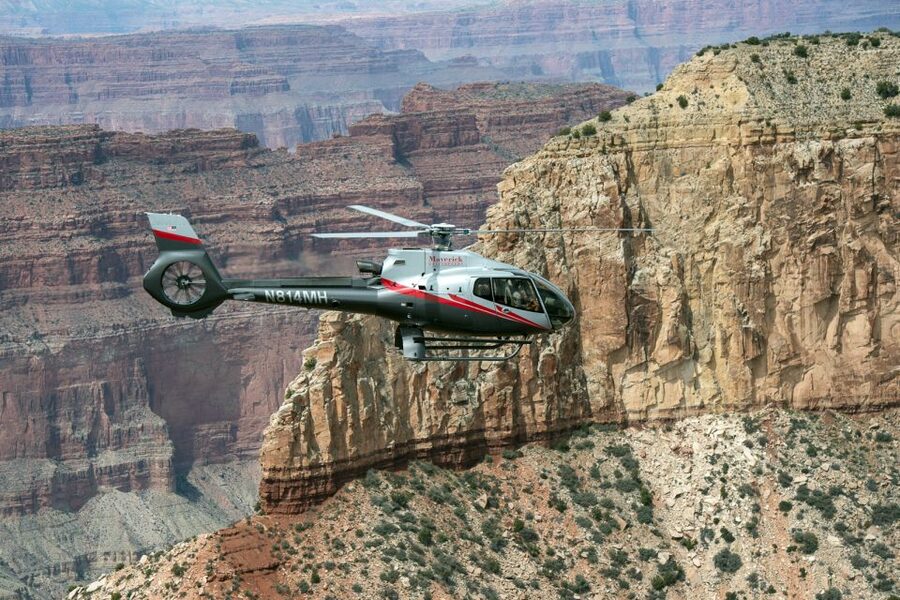
At $309 per person for a 25-minute helicopter flight, this is not cheap. But helicopter pricing is usually about access and speed: you are paying to see the canyon from angles you cannot replicate from overlooks—at a time scale that fits into a busy day.
Here is how I’d judge the value:
- If you only want a few hours in the Grand Canyon area, this is one of the fastest ways to get a “wow” view.
- If you hate spending all day commuting or waiting, the timing is the point.
- If you care about specific features like the Dragon Corridor and rock-layer landmarks, the aerial route is the advantage.
What it is not: it is not a slow, long sightseeing program. It is a concentrated tour. If you want time to hike, browse, and linger on viewpoints for hours, you may feel rushed. If you want a highlight reel done properly, the pricing can make more sense.
Also consider that all fees and taxes are included in the ticket. That reduces the annoying surprise factor.
Logistics you’ll actually care about at the terminal
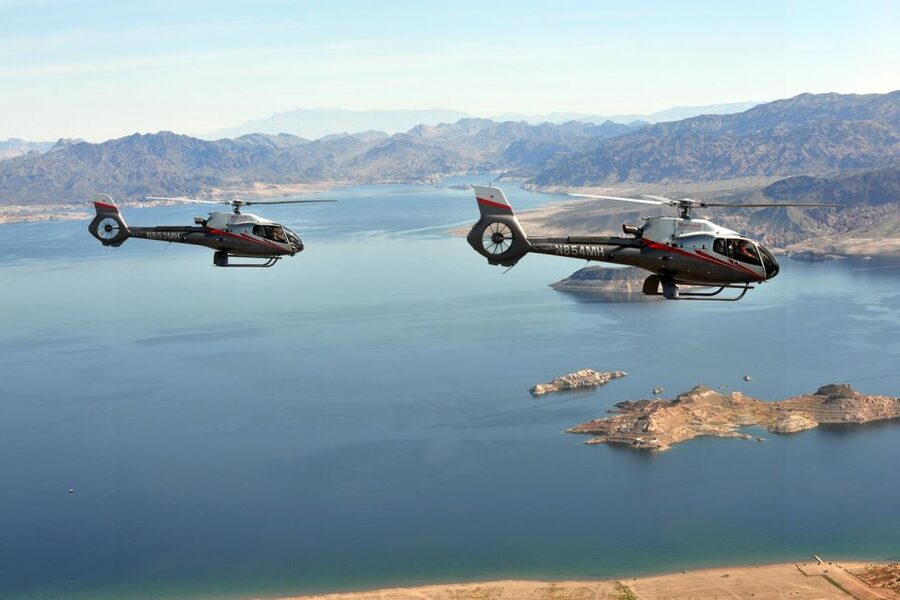
You meet at the terminal at 107 Corsair Dr., Grand Canyon, AZ 86023. You should arrive 40 minutes prior to flight time.
Then, contact the local tour partner at least 48 hours before to confirm your flight time and check-in time. That step matters because this is a scheduled flight operation and your exact departure can vary.
The tour ends back at the meeting point, so you do not need a new plan after you land.
One more timing tip: in practice, arrive with enough margin to park, walk in, and settle. When check-in time is tight, you can end up stressing for something that should be fun.
What to bring, what to skip, and how to prep
Here’s what you should bring:
- Passport
- Passport or ID card (a photo ID is required at check-in for adults 18+)
- Comfortable clothes
- Weather-appropriate clothing
And here’s what is not allowed:
- Pets
- Smoking
- Luggage or large bags
- Selfie sticks
- Food and drinks
That restriction list is worth noting because it affects what you pack. If you plan to carry a big bag, you may have to rearrange your day. Also, skipping selfie sticks keeps things simple for cabin space and safety.
If you have never done a helicopter flight before, dress for a potentially cooler air session at elevation. Even if the ground is warm, the air in motion can feel different.
Weight, seating, and the reality of where you sit
Helicopter seating is assigned after check-in based on legal weight and balance limits. That means the operator does not guarantee seating next to or in the same row as the rest of your group.
Passengers weighing over 300 lbs (136 kg) must purchase an additional seat. If you are near that threshold, plan ahead so check-in is smooth.
If you are traveling with others and want to sit together, manage expectations. In the air, safety and balance come first, and assigned seating is part of that process.
Who this flight fits best (and who might rethink it)
This tour is a great match if you:
- want the Dragon Corridor and river views without committing to a full day
- prefer a small group format
- like the idea of seeing landmarks such as Tower of Ra and Vishnu Schist from above
- are comfortable with a short 25-minute time commitment
It is not suitable for:
- wheelchair users
- children under 18
- people over 300 lbs unless they purchase an additional seat
If you are traveling with kids or someone with mobility needs, you will likely need a different format.
Should you book the Grand Canyon Dancer from the South Rim?
Book it if you want an efficient, high-impact aerial Grand Canyon experience from the South Rim. The combination of a 25-minute flight, a small group cap of 7, strong visibility (wraparound glass), and the route focus on the Dragon Corridor, Colorado River, and named geology landmarks makes this feel built for people who value time and views equally.
Skip it or consider alternatives if you need long on-the-ground time, or if you hate the idea of short windows and assigned cabin seating. Also make sure your packing stays light, since luggage and selfie sticks are not allowed.
If you match those “yes” conditions, this is an easy decision.
FAQ
How long is the Grand Canyon Dancer helicopter tour from the South Rim?
The helicopter flight is approximately 25 minutes.
Where do I meet for the tour?
Meet at the terminal at 107 Corsair Dr., Grand Canyon, AZ 86023.
When should I arrive?
Please arrive at the terminal 40 minutes prior to the flight time.
What does the ticket price include?
The 25-minute helicopter flight and all fees and taxes are included.
What do I need for check-in?
Adults 18 and older must have a photo ID at check-in. Passport and passport or ID card are both listed as what to bring.
Is the group size small?
Yes. The group is limited to 7 participants.
Is there a weight limit?
Passengers weighing over 300 lbs (136 kg) must purchase an additional seat due to weight and balance limits.
What items are not allowed on the flight?
Pets, smoking, luggage or large bags, selfie sticks, and food or drinks are not allowed.