REVIEW · ROTORUA
Rotorua: Helicopter Flight and Guided Walk on Mt Tarawera
Book on GetYourGuide →Operated by Volcanic Air · Bookable on GetYourGuide
Rotorua from the air changes everything. In about 40 minutes, you soar from the Rotorua lakefront to land on Mt Tarawera, and you get the kind of views that are hard to fake on the ground. I also love having the pilot and guide talking you through what you’re seeing, and one pilot named Ian took that job seriously with clear, steady narration. One catch: this trip is weather dependent, so if visibility is poor, you might not get the views you hoped for.
You’re not just flying over a volcano—you step onto the mountain for a guided walking experience on the craters and domes formed by the 1886 eruption. The commentary connects the geology, the living culture of the region, and the way the landscape was shaped, so the whole thing feels purposeful, not just scenic.
The experience is short and punchy. That’s great if you want “wow” fast, but if you’re craving hours of hiking or long explanations, you may wish it lasted longer.
In This Review
- Key things I’d watch for
- From Rotorua Lakefront to Mt Tarawera: How the whole trip hangs together
- The helicopter ride: why 40 minutes feels like more
- A practical heads-up about visibility
- Landing on Mt Tarawera: what you’re really seeing on the ground
- Why the walking part is the value, not the add-on
- Safety and how landings work
- The return flight: seeing Rotorua as a system, not a stop
- Price and value: is $376 per person reasonable?
- What to bring (and what to wear) so you’re comfortable fast
- Who this Mt Tarawera helicopter-and-walk suits best
- What to do right after you land the decision
- Should you book this tour?
- FAQ
- How long is the Rotorua helicopter flight and Mt Tarawera guided walk?
- Where is the meeting point?
- What’s included in the tour?
- Is food and drinks included?
- Is the tour guaranteed to run?
- How much walking is involved?
- What language is the guide and commentary provided in?
- What should I wear or bring?
- Are there any weight-related rules?
- What’s the cancellation window?
Key things I’d watch for
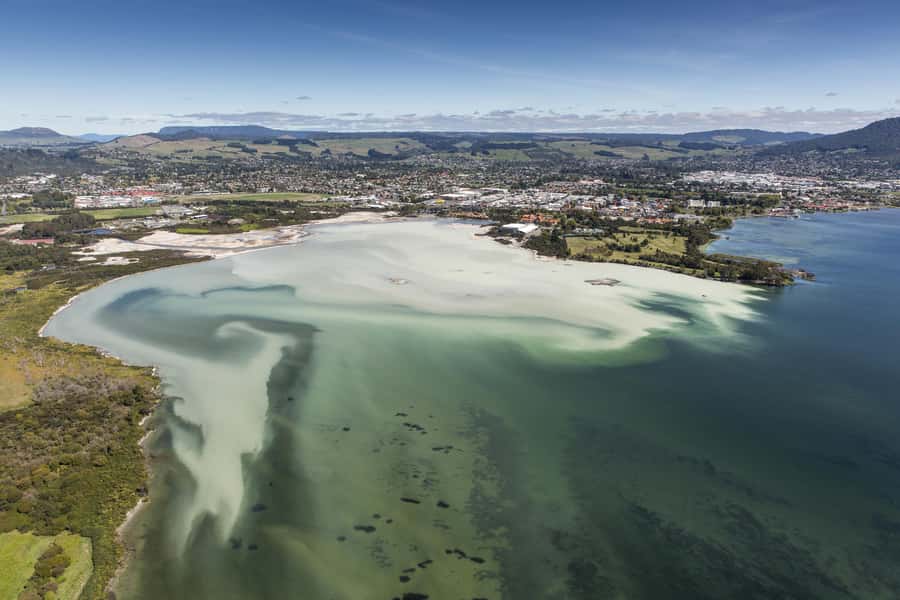
- Aerial views from the Rotorua lakefront on the way to Mt Tarawera
- Landing on iconic Mt Tarawera for a guided walk on volcanic features
- Guided commentary focused on geology, culture, and local history
- A return flight over the Lakes District and national parks for a full-circle perspective
- Weather-dependent routing and viewing conditions, which can change the experience
From Rotorua Lakefront to Mt Tarawera: How the whole trip hangs together
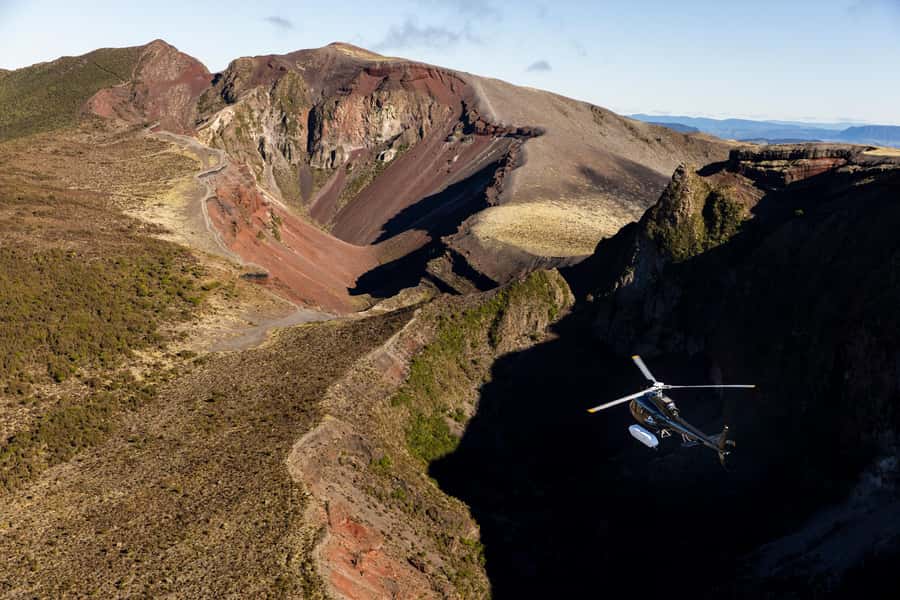
This is a tight itinerary, and that’s the point. You start at Lakefront Drive, then the tour shifts into two modes: aerial sightseeing, and on-the-ground guided exploration at Mt Tarawera. In other words, you get both the big-picture view and the close-up meaning.
The best part, in my mind, is that the helicopter portion isn’t random sightseeing. It’s timed to show you how Rotorua transitions into volcanic terrain: lakes, mountain silhouettes, and the kinds of terrain patterns you only notice once you’re high enough to see the whole system. Then the landing on Mt Tarawera grounds the experience. Suddenly, the volcanic story isn’t abstract—it’s right under your feet.
Because it’s only 40 minutes total, you’ll want to keep your expectations matched to the format. You’re not signing up for a long walking trek. You’re signing up for an efficient, guided, high-impact introduction to one of New Zealand’s most memorable volcanic events.
The helicopter ride: why 40 minutes feels like more
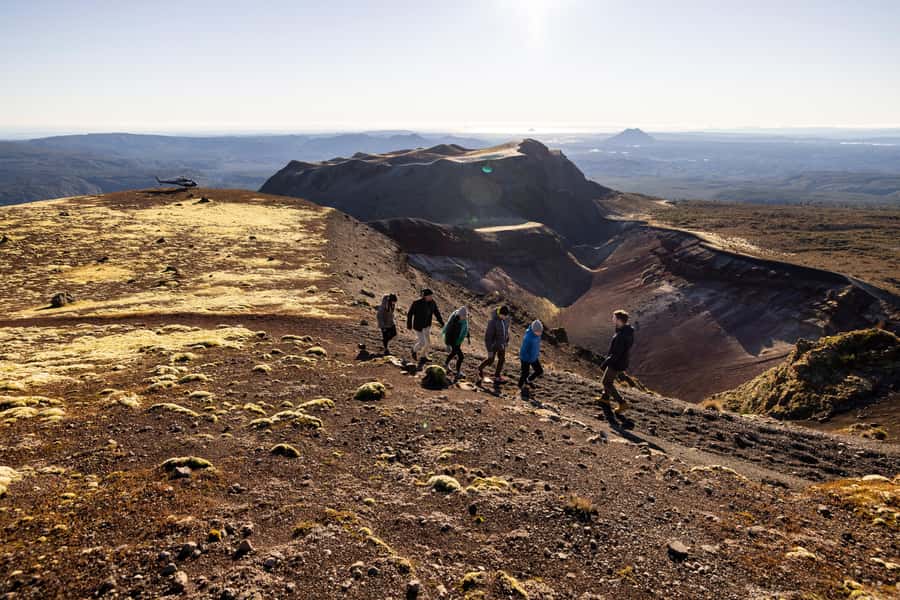
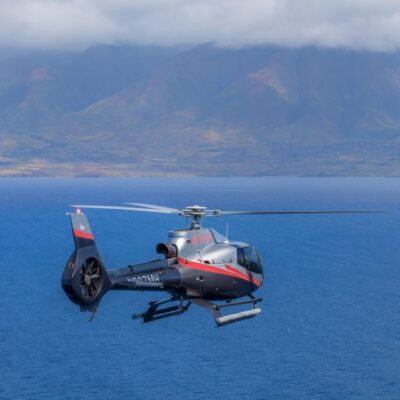
A helicopter flight can be intimidating if you’ve never done one. What helps here is the short duration and the fact that you’re not stuck waiting around. The ride begins from the city area and quickly turns into a viewpoint session as you fly toward the volcano.
The tour includes commentary from the guide, plus audio support in English. That combo matters more than it sounds. From the air, the “what you’re looking at” changes fast, and it’s easy to stare and miss the context. A good narration keeps you oriented—what part of the region you’re seeing now, how it connects to the volcanic activity, and why the route matters.
You’ll also get aerial views on the way in and on the way out—over the Lakes District and national parks, then back toward Rotorua District. If weather is decent, you’ll likely find the views satisfying from multiple angles. Even when skies aren’t crystal clear, the helicopter still gives you the big overhead geometry: lake shapes, mountain ridgelines, and the way volcanic terrain interrupts everything.
A practical heads-up about visibility
The operator specifically notes that the tour is weather dependent and will not go ahead if it isn’t safe, or if the views cannot be seen. That’s not a sales line. It’s a reality with volcano air routes. So if you’re building your schedule, give yourself flexibility and keep the day open.
Landing on Mt Tarawera: what you’re really seeing on the ground
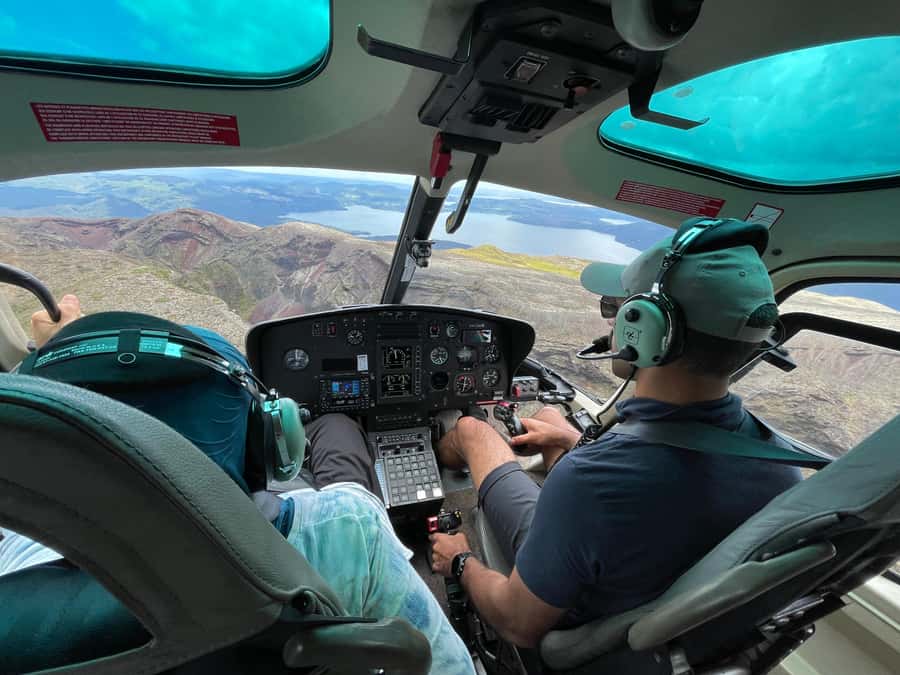
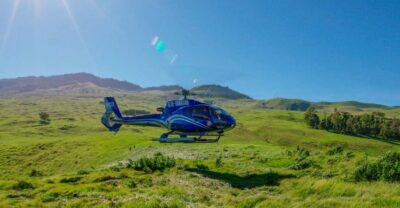
Mt Tarawera is famous for a reason. The guided portion is built around the 1886 eruption, including craters and domes formed by that event. When you land, you’re not just getting a photo op. You have time for a guided walking experience that explains what you’re standing on and how the eruption shaped the features.
The walking time is about 20 minutes, which is long enough to move between viewpoints and hear the guide’s narration without turning it into a fitness challenge. You’ll also get a short “on foot” segment listed in the itinerary, around 5 minutes, which usually means brief movement and transition time rather than a long trek.
Why the walking part is the value, not the add-on
Helicopters give you height. They don’t automatically give you understanding. What you get here is the connection between view and meaning.
The guide’s commentary ties together:
- the volcanic geology you can literally see on Mt Tarawera
- the region’s cultural context
- and the historical significance of the eruption
Even if geology isn’t your thing, I like this approach because it stops the experience from becoming purely visual. You’re still enjoying the scenery, but you’re also learning how to interpret it.
Safety and how landings work
The tour also states that excursion landings are undertaken at your own risk and are at the pilot’s discretion. Translation: the pilot is the decision-maker for the landing conditions, and you follow crew directions on the ground. That’s how these operations stay safe and consistent.
The return flight: seeing Rotorua as a system, not a stop
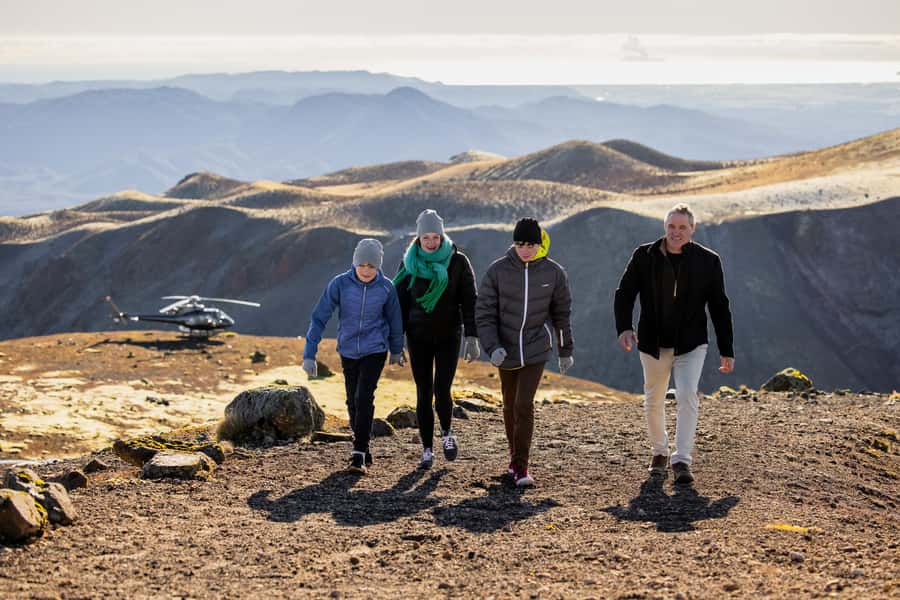
On the way back, the tour includes aerial views over Rotorua District. This is a smart way to end, because you’re no longer looking toward the volcano like a destination—you’re seeing the region’s layout.
From above, Rotorua starts to read like a connected set of features: lakes and waterways, mountain contours, and the volcanic influence that shaped where things sit. It’s the difference between a single highlight photo and understanding a whole region’s logic.
This portion is also kept short in the itinerary (about 10 minutes), which keeps the full experience from dragging. You won’t lose the momentum of the first part. Instead, you finish with a clear mental map you can carry into the rest of your Rotorua day.
Price and value: is $376 per person reasonable?
At $376 per person for a 40-minute experience, this isn’t the cheapest thing you’ll do in Rotorua. But it’s also not an apples-to-apples comparison with a normal walking tour. You’re paying for:
- the helicopter time (including scenic routes in and out)
- a guided landing experience on Mt Tarawera
- commentary in English (plus audio support)
If you value limited-time experiences where the wow factor is immediate, this is one of those “pay once, remember forever” activities. The short walk and guided geology/culture narration are crucial. They turn the helicopter from a ride into an interpretation.
That said, I think it’s worth asking yourself one question: do you want altitude views and a real volcanic landing, or would you rather spend that money on more time on the ground? If you’re the type who likes learning while moving, this works well. If you’d rather do a long hike, explore geothermal areas, and keep costs lower, you may prefer a different Rotorua experience.
What to bring (and what to wear) so you’re comfortable fast
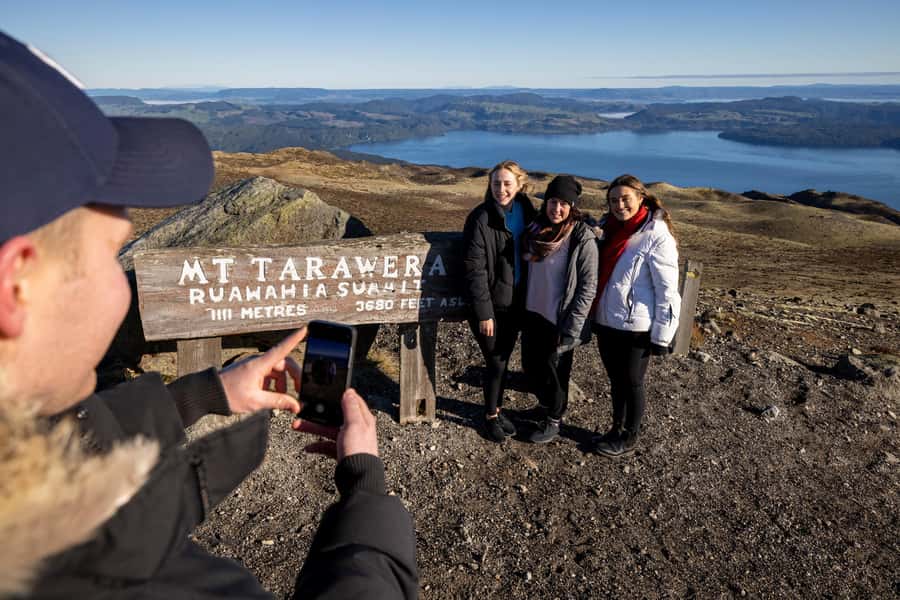
This tour is simple on paper, but the details matter because you’re hopping between helicopter and volcanic ground.
Bring:
- Comfortable clothes
- Comfortable shoes
That’s it. No complicated gear list. But don’t treat that as “casual equals comfortable.” A guided walk on volcanic terrain can feel uneven, so shoes with decent grip are worth prioritizing.
Also plan for weather. Since the trip is weather dependent, you could go from mild to chilly depending on cloud cover and wind at elevation. Dress in layers so you’re not miserable if the air feels colder than you expected.
Who this Mt Tarawera helicopter-and-walk suits best
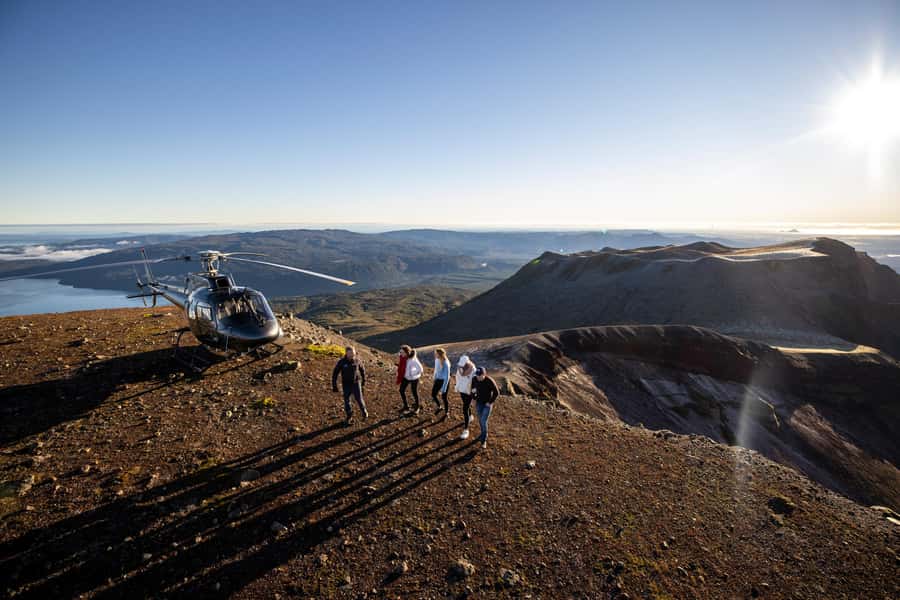
I’d book this if you match one of these profiles:
- You want a big Rotorua experience in a short time window.
- You’re curious about geology and want the story tied directly to what you’re seeing.
- You like guided narration but don’t want a long day.
- You want your Rotorua trip to include something that feels truly different from the usual geothermal routes.
It might be less ideal if:
- you’re expecting hours of hiking
- you’re very sensitive to weather uncertainty and might feel disappointed if visibility is limited
- you want food included (it isn’t)
And if it’s your first helicopter ride, the fact that the flight is short can make the experience feel manageable. People often mention feeling safe with the professional crew, and clear explanations from the pilot help a lot. One named pilot, Ian, is specifically noted for strong narration and timing.
What to do right after you land the decision
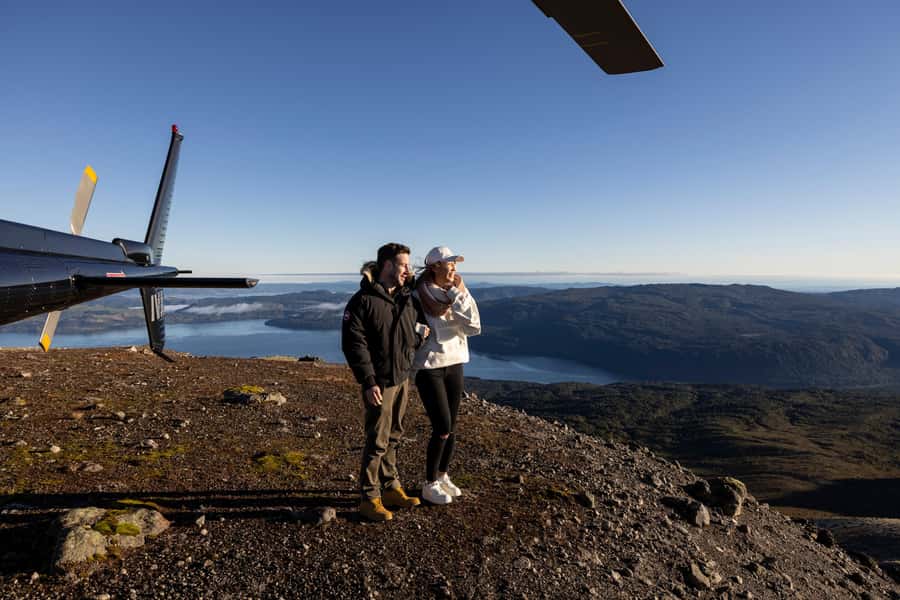
Once you book, treat this as a weather-forward plan. Keep your day flexible so you’re not stressed if conditions force changes.
Also, make sure you arrive with enough buffer to check in. You’ll check into the operator’s office building and look for large signs on the roof at the meeting point on Lakefront Drive.
Finally, remember the food gap. The tour doesn’t include food or drinks, so plan to eat before or after rather than hoping there will be time built in.
Should you book this tour?
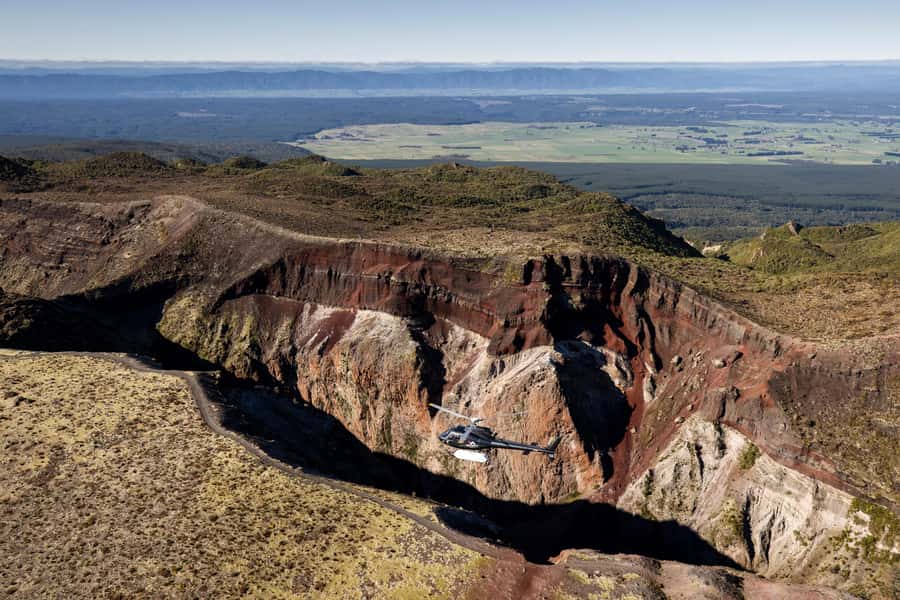
If you want a Rotorua highlight that combines helicopter views with a guided landing on Mt Tarawera, I think this is an easy yes—especially if you’re the type who likes understanding what you’re looking at while you’re seeing it.
I’d hesitate only if weather uncertainty would ruin your day, or if you’d rather spend the money on a longer ground-based exploration. In that case, you can still see a lot in Rotorua. But you probably won’t get the same perspective or the crater-and-dome walking experience.
FAQ
How long is the Rotorua helicopter flight and Mt Tarawera guided walk?
The total duration is 40 minutes.
Where is the meeting point?
The meeting point is at the office building near Lakefront Drive. Check in and look for the large signs on the roof.
What’s included in the tour?
You get a scenic helicopter flight, a guided walk on Mt Tarawera, and commentary from the guide. Audio support in English is also included.
Is food and drinks included?
No. Food and drinks are not included.
Is the tour guaranteed to run?
No. The tour is weather dependent. It won’t go ahead if it isn’t safe or if views cannot be seen.
How much walking is involved?
There’s a guided walking portion on Mt Tarawera of about 20 minutes, plus a short on-foot segment listed as around 5 minutes.
What language is the guide and commentary provided in?
The live tour guide is in English, and the audio guide is also in English.
What should I wear or bring?
Wear comfortable clothes and bring comfortable shoes.
Are there any weight-related rules?
The operator requires individual weights at booking. If a passenger exceeds 110kgs, a surcharge may apply. If a passenger exceeds 135kgs, they will be required to pay two adult fares.
What’s the cancellation window?
You can cancel up to 24 hours in advance for a full refund.