REVIEW · FRANZ JOSEF GLACIER
Franz Josef: Glacier Ice Climb experience with Heli Transfer
Book on GetYourGuide →Operated by Franz Josef Glacier Guides · Bookable on GetYourGuide
Ice gets real fast. Franz Josef Glacier Ice Climb with Heli Transfer is one of those rare tours where the day feels equal parts action and awe, starting with helicopter views and moving straight into hands-on glacier climbing with a 1:4 guide ratio.
What I like most is how much time you actually spend on the ice (up to 6 hours), not just standing around for photos. And the instruction is built for you, with guides handling the technical gear and tailoring coaching to your pace and ability.
The main drawback is simple: weather can change the plan. Since it’s an ice-and-heli day, conditions can mean delays, reroutes, or less time doing each climbing section—so plan this as your “do it right” day, not something you stack tight with other tours.
In This Review
- Key things I’d mark on your map
- First stop: the glacier base briefing and safety setup
- The helicopter transfer: sightseeing with purpose
- Inside the climbing day: tuition, pace, and getting up on the ice
- How the day flows: from glacier base to ice time blocks
- Weather dependence and comfort: staying warm without overpacking
- Price and value: what you’re paying for at $654
- Who this Franz Josef heli ice climb suits best (and who should skip)
- Should you book this ice climb with heli transfer?
- FAQ
- How long is the Franz Josef glacier ice climb experience?
- How long do you spend on the ice?
- What’s included in the price?
- Is food included?
- What should I bring?
- How early should I arrive?
- Is this tour suitable for children or pregnancy?
Key things I’d mark on your map
- Helicopter transfer with big mountain-and-glacier sightlines before you even touch the ice
- Up to 6 hours on the ice for hiking, climbing, and tuition
- Gear + waterproof clothing provided, plus boots and socks, so you travel lighter
- Small group limit of 4 and a low guide-to-guest ratio for real coaching
- Safety-first pacing can affect how quickly you rotate through ice activities
First stop: the glacier base briefing and safety setup
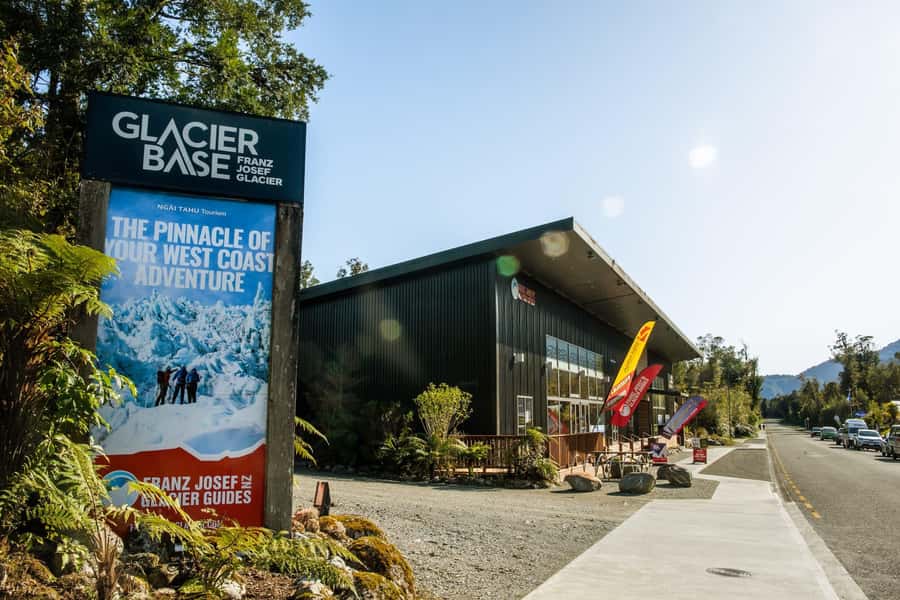
Your day starts at the Glacier Base Building with a safety briefing and a proper gear handover. This matters more than people think. Glacier travel is not like hiking up a hill—everything depends on technique, footing, and staying in sync with your guide and the group.
You’ll get equipped for ice climbing, including waterproof clothing, plus boots and socks. A small day pack is included too, which is handy for keeping essentials close and not juggling stuff around on the ice. Your guide (from Franz Josef Glacier Guides) also manages the technical climbing setup, adjusted for your pace and ability. That reduces the usual stress of figuring out equipment on the fly.
One practical note: you should arrive 1 hour before your scheduled departure time. I treat that as insurance. It gives you buffer for any check-in questions, clothing tweaks, or just warming up your brain before you go.
You can also read our reviews of more tours and experiences in Franz Josef Glacier.
The helicopter transfer: sightseeing with purpose
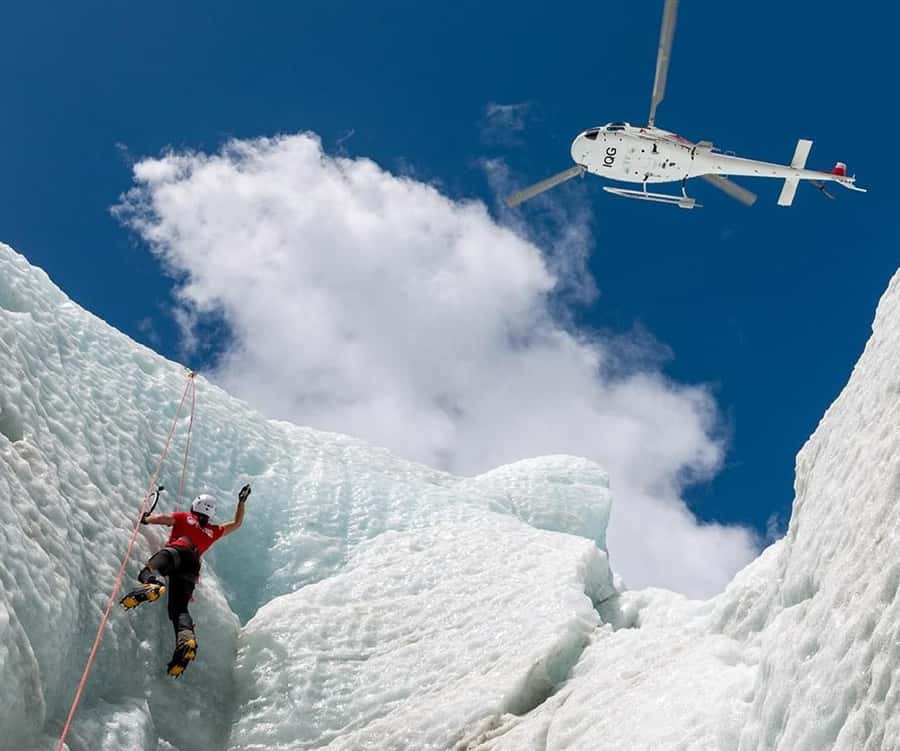
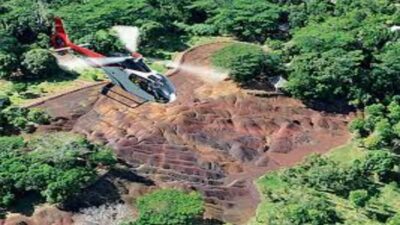
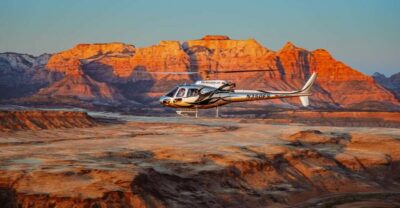
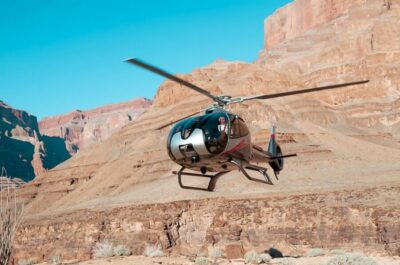
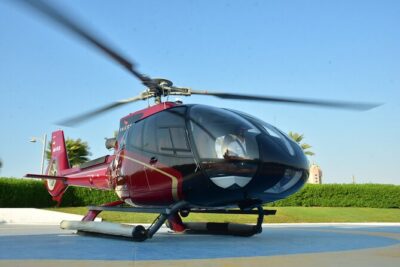
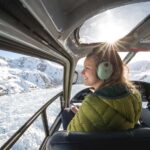
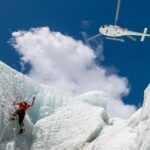
The helicopter transfer isn’t just a scenic bonus—it’s a fast way to get you into the climbing zone while giving you huge sightlines of the glacier and the surrounding mountains. You’ll fly up to the glacier, and the views are a big part of why this format works so well for a full-day experience.
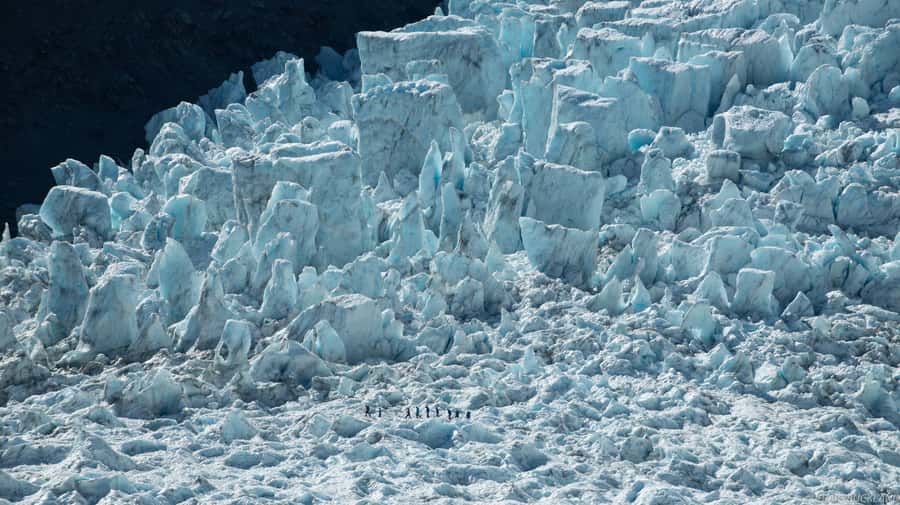
Here’s why I think the heli ride is worth it: it turns the day into a clean sequence. You brief, you fly, you climb. You’re not wasting the morning on long approaches or complicated ground logistics. And the glacier looks different from above—more like a living system with shapes and flow patterns you can’t see from the ground.
Also, you’ll want to respect the reality of weather here. When conditions are limited, heli operations and timing can shift. That’s not a “marketing problem,” it’s glacier reality. If you’re the type who hates schedule changes, this is the day to keep flexible.
Inside the climbing day: tuition, pace, and getting up on the ice
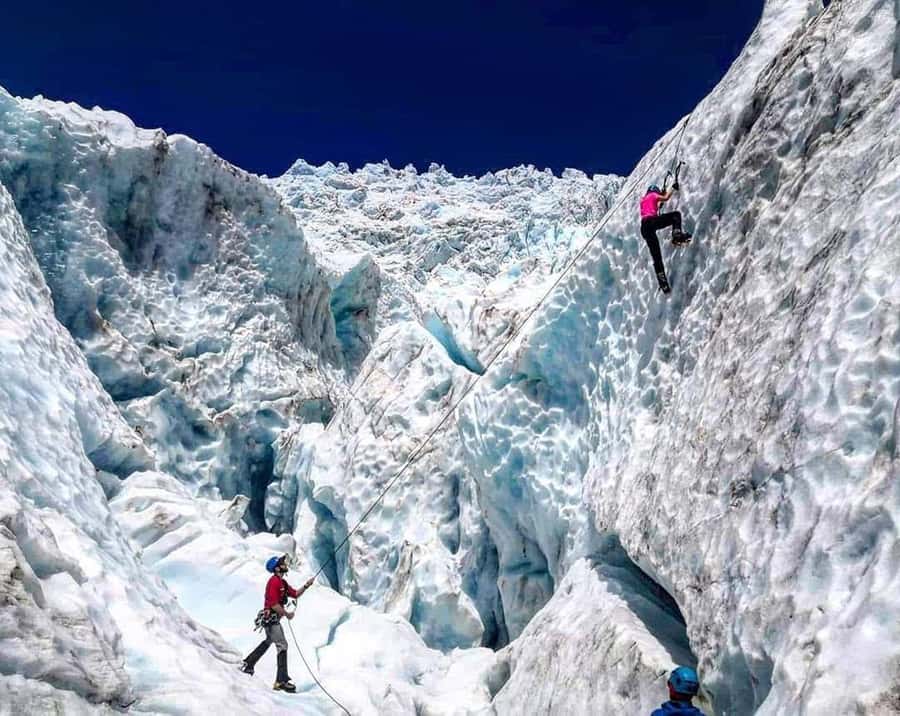
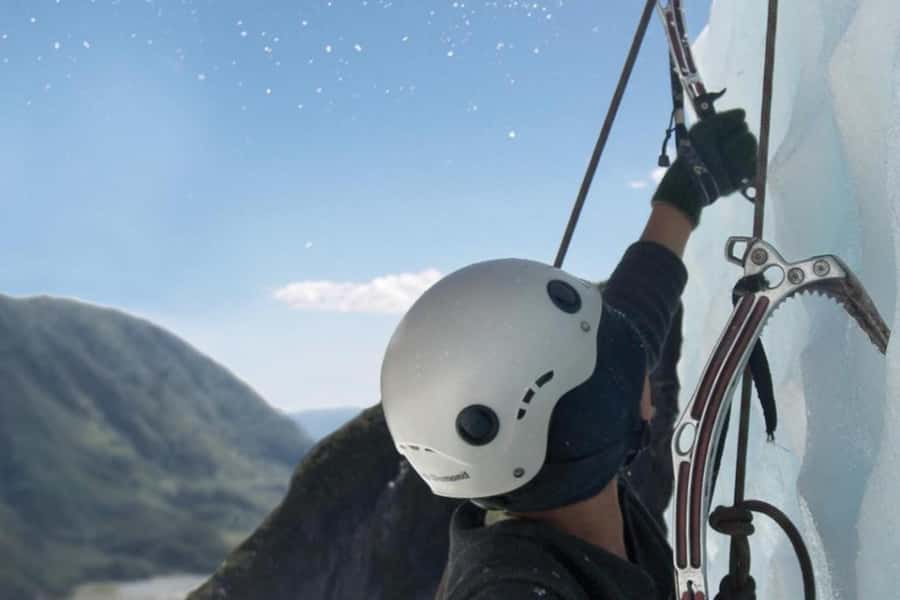
Once you’re on the glacier, the experience shifts into real coaching. The tour includes expert guide support and tuition throughout your ascent. You’re not expected to be a climber when you arrive. The day is built around learning and doing—guided steps that help you move confidently on ice.
With a low guide-to-guest ratio (one guide per four climbers), you get more than vague directions. You can ask questions. Your guide can adjust technique based on how you’re actually moving, not how you think you might move.
You’ll spend up to 6 hours on the ice doing a mix of ice hiking, climbing, and tuition. That blend is important. If the tour were only climbing, you’d feel like you were being rushed through a skill you don’t yet own. If it were only walking, you wouldn’t get the “I’m on a real glacier” moment. Here, you get both—enough movement to build comfort, enough climbing elements to feel the thrill.
And a small but telling detail: this tour provides boots, socks, and waterproof clothing, but it’s still you who needs to be ready in your layers and mindset. Glacier days can change fast, so think practical, not fancy.
How the day flows: from glacier base to ice time blocks
From a timing standpoint, you’re looking at an 8-hour total day, with the core action being up to 6 hours on the ice. The helicopter transfer and the initial briefing fill the rest.
On the ice, you can expect you’ll move through multiple climbing sections rather than one long, single-note climb. One of the most useful insights from real experiences is that safety sometimes forces changes in order and timing. For example, if conditions are delicate during a specific climbing portion, the group may work in a more controlled way, which can reduce how much time you spend on each section.
So what should you do with that information? Don’t try to “beat the clock.” Go in expecting that the guide will prioritize safe sequencing over max thrills. If you treat the day as skill-building and glacier time first, you’ll have a much better experience—even if the plan runs slower during a careful moment.
The upside: the glacier itself is the headline. When the day works as intended, you’re out there long enough to absorb the place, not just tick off a quick stop.
Weather dependence and comfort: staying warm without overpacking
This tour is weather dependent, so you should plan around the idea that conditions can decide the schedule. That affects helicopter timing and how the climbing portion is managed.
For your own comfort, pack smart. The tour notes these essentials:
- Sunglasses
- Sunscreen
- Weather-appropriate clothing
- A reusable water bottle
Even in cool weather, sun glare off ice can be intense. Sunglasses and sunscreen aren’t “nice-to-have,” they’re comfort gear. And since food and beverages aren’t included, your water bottle becomes even more important. Bring one you can sip from during the day.
Also, the tour doesn’t allow valuables. That’s your cue to travel light with electronics and leave nonessential items behind. If you have a day pack included, use it for what matters and keep the rest out of the stress zone.
One more comfort tip: even with waterproof clothing provided, you should still dress in a way that handles wind and temperature shifts. Glacier weather can feel different hour to hour. Bring layers that you can manage quickly when you’re out of the heli but headed into colder air.
Price and value: what you’re paying for at $654
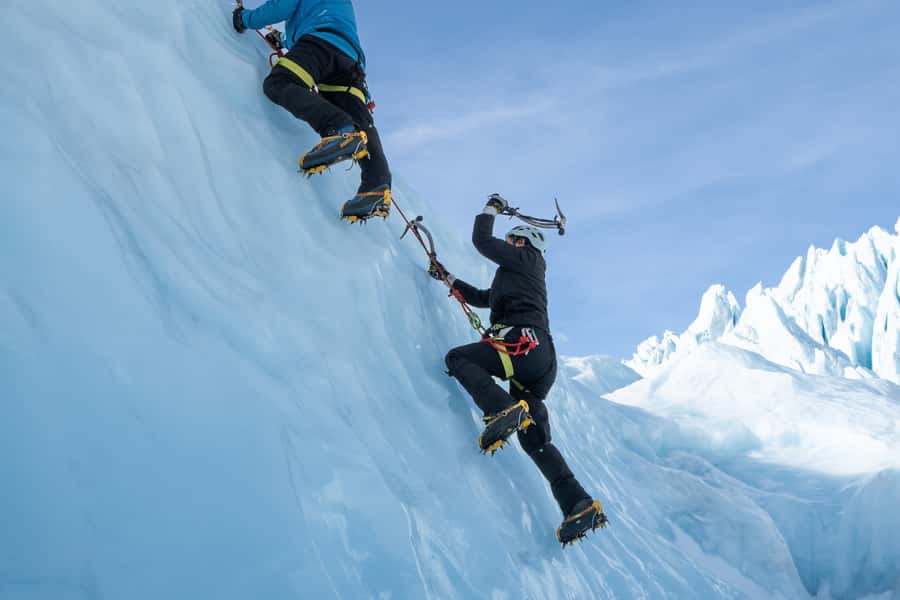
At $654 per person for an 8-hour experience, this isn’t a casual activity. But the value isn’t just the “price tag” value—it’s what’s included that would otherwise cost you time, hassle, or extra services.
Here’s where the money goes:
- Helicopter transfers (a major cost driver and a big part of the experience)
- Up to 6 hours on the ice
- All climbing equipment
- Expert guide and a safety briefing
- Waterproof clothing, plus boots and socks
- Small day pack
What’s not included:
- Food and beverages
- A water bottle
To judge value honestly, ask yourself this: would you rather pay for a guided, gear-provided, heli-supported day that maximizes ice time? Or would you rather assemble a more DIY set of transport, gear, and guiding? For most people, the tour format wins because it reduces friction. It also keeps you focused on learning and doing.
Who gets the best payoff? People who want real glacier time with instruction, and who are okay paying for comfort and safety logistics. If you want a glacier “experience” that looks good online but doesn’t care about actual technique, you might feel this is too much. If you want to come away with confidence in how to move on ice, it’s a strong match.
Who this Franz Josef heli ice climb suits best (and who should skip)
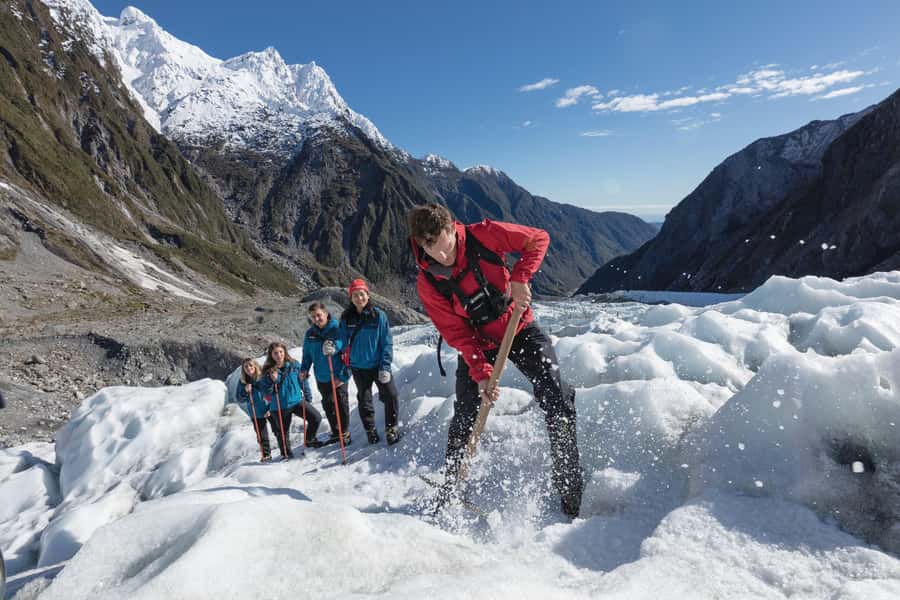
This tour is best for:
- Adults and teens 16+ who want a guided ice climbing day
- People who like small groups and direct coaching
- Anyone who wants both big views (heli) and real glacier action (up to 6 hours on the ice)
It is not suitable for:
- Children under 16
- Pregnant women
- People over 254 lbs (115 kg)
That’s not being picky—it’s safety and physical requirements. Glacier activities involve risk management that has to fit the group and the conditions, and the operator sets limits for a reason.
If you have any pre-existing medical conditions, you must notify the tour operator for safety reasons. Don’t treat that as paperwork. It’s part of making sure the day is appropriate for you.
Should you book this ice climb with heli transfer?
Book it if you want the full Franz Josef formula: helicopter views, expert instruction, and a day that actually gives you time on the ice. The guide-to-guest ratio and the gear support are the big reasons this feels worth it, especially if you’re not arriving as an experienced climber.
Skip it (or at least rethink timing) if you’re on a tight schedule that can’t handle weather delays, or if you hate the idea that the day might adjust for safety during specific climbing sections. Also, if you don’t want to bring your own water and snacks/lunch, you’ll need to plan for that before you go.
If you can handle basic cold-weather comfort and you’re excited by learning on a real glacier, this is one of the more effective ways to experience Franz Josef the hard way—in the best possible sense.
FAQ
How long is the Franz Josef glacier ice climb experience?
The tour duration is 8 hours total, including a briefing, helicopter transfer, and up to 6 hours on the ice.
How long do you spend on the ice?
You get up to 6 hours on the ice for hiking, climbing, and tuition.
What’s included in the price?
Included are helicopter transfers, up to 6 hours on the ice, all climbing equipment, an expert guide, a safety briefing, waterproof clothing, boots and socks, and a small day pack.
Is food included?
No. Food and beverages are not included, and lunch and snacks are not provided. Plan to pack or buy them before the trip.
What should I bring?
Bring sunglasses, sunscreen, weather-appropriate clothing, and a reusable water bottle.
How early should I arrive?
Please arrive 1 hour before your scheduled departure time.
Is this tour suitable for children or pregnancy?
No. It’s not suitable for children under 16, pregnant women, or people over 254 lbs (115 kg).