REVIEW · ALGES
Lisbon: Helicopter Tour over Estoril & Cascais
Book on GetYourGuide →Operated by Portugal Helicopters · Bookable on GetYourGuide
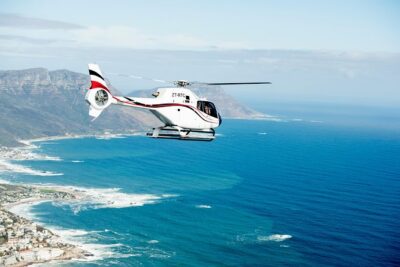
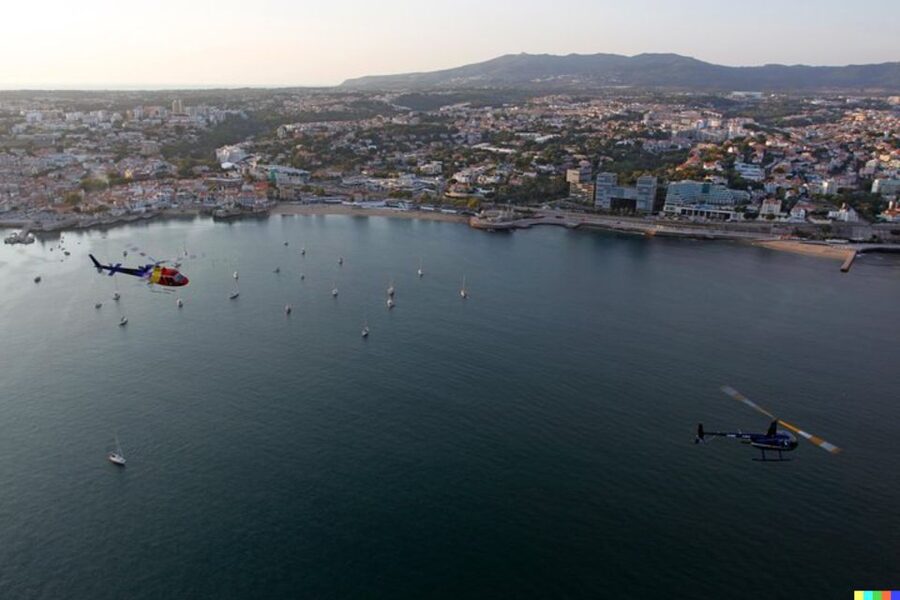
Lisbon from above hits fast, and it stays with you. This private helicopter flight over the Tagus River estuary gives you a clear, top-down look at the coast’s big landmarks in just 20 minutes: the forts at São Julião da Barra and São Lourenço do Bugio, plus the beaches and cliffs of Estoril and Cascais. You get live spotting of the view as you go, and that turns the ride from simple sightseeing into something you can actually name and remember.
My two favorite parts are the way the coastline reads like a map from the air, and how the pilot uses the flight to point out specific spots along the water—so you’re not just staring out a window. The main drawback to consider is also the biggest reason to plan well: it’s short, and the price is per group (up to 3), so it feels best when you share the cost and really want this exact aerial perspective.
In This Review
- Key highlights worth knowing
- Why this 20-minute Lisbon helicopter route is such good value
- Getting started at Lisbon Helicopters in Algés: fast, specific, and focused
- Fort of São Julião da Barra: the Tagus entrance made visible
- Fort of São Lourenço do Bugio and the Bugio Lighthouse area
- Carcavelos: golden beach and a coastline you can measure in your head
- Estoril and the Casino area: cliffs, coastline drama, and WWII intrigue
- Cascais: royal-summer town vibes, crystal water, and marina geometry
- Cascais Citadel and Boca do Inferno: fort history and raw coastline power
- Timing, group size, and the real-world logistics that affect your day
- What you’re really seeing: how the route builds a story of coast and defense
- Who should book this helicopter over Estoril and Cascais
- Should you book this Lisbon helicopter tour?
- FAQ
- How long is the helicopter flight?
- What’s the price for this tour?
- Where do we meet for the flight?
- What’s included in the experience?
- Is a flight video included?
- What languages is the live tour guide available in?
- What should I bring on the day of the flight?
- Who can’t book this experience?
Key highlights worth knowing
- Algés heliport start with a short, structured flow from check-in to takeoff
- Tagus Estuary + Bugio Lighthouse views that make the river’s entrance feel real
- Fortifications from above including São Julião da Barra and São Lourenço do Bugio
- Carcavelos to Estoril: golden shoreline, dramatic cliffs, and the Estoril Casino area
- Cascais Citadel + Boca do Inferno seen as rock, water, and coastline shapes (not just postcards)
- Private group up to 3 with a live English/Portuguese tour guide
Why this 20-minute Lisbon helicopter route is such good value
Let’s be honest: $846 per group for 20 minutes isn’t a “bargain.” But if you’re comparing it to most Lisbon experiences, it’s a different category. You’re buying the one thing the city can’t give you any other way—an overhead view that links fort, river, beach, and town in a single sweep.
Here’s how I think about value for this one. If you split the group price with up to three people, the cost per person drops fast. And because it’s private, you’re not stuck in a crowd of strangers while you try to line up your photos. Also, the ride is timed tightly: one verified flight ran exactly 20 minutes, which matters when you’re paying for a short experience.
The route itself is built around “named” views. You’re not just flying over generic coastline; you’re passing the Tagus River Estuary, the Bugio Lighthouse area, São Julião da Barra Fortress, Carcavelos, Estoril Casino, and then Cascais (including the Citadel area and cliffy natural zones like Boca do Inferno). That makes the flight feel like a guided tour of geography, not a quick ride with no context.
Getting started at Lisbon Helicopters in Algés: fast, specific, and focused
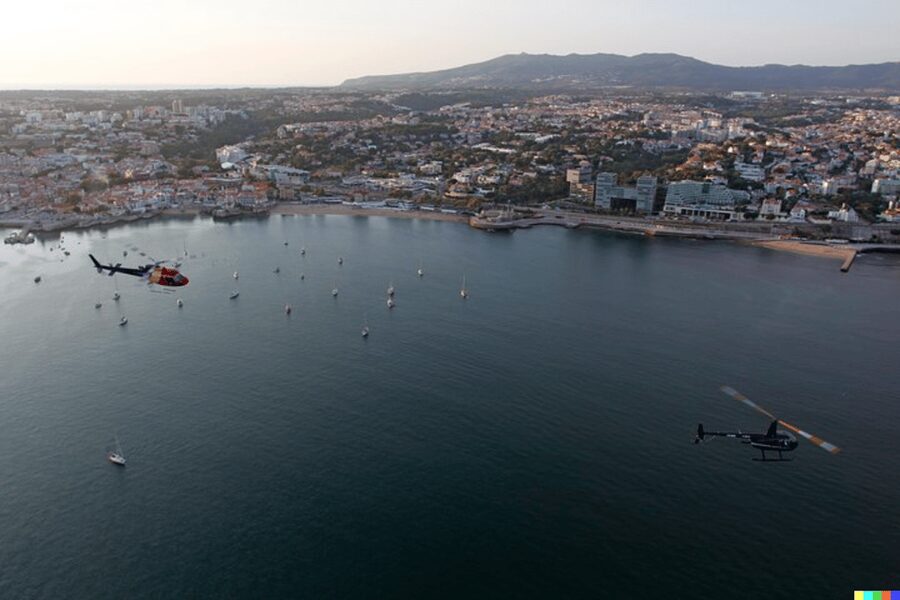
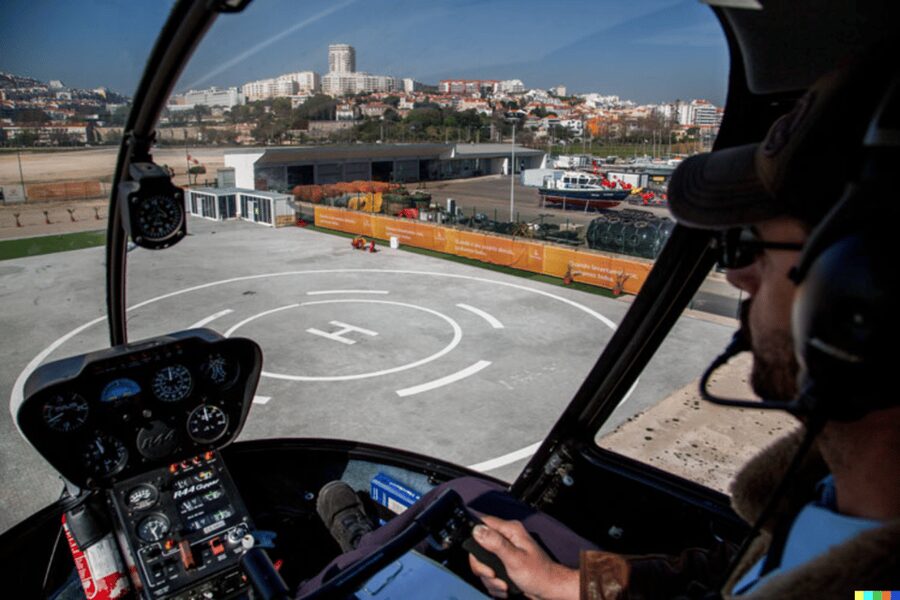
You’ll meet at Lisbon Heliport, Passeio Marítimo de Algés, near the VTS Tower. That’s a practical detail because it keeps the experience anchored on the Lisbon side of the coast, close to the water route your flight will follow.
Check-in and a security briefing come first, and that’s not just ceremony. In a helicopter, getting organized early helps the crew keep the timing smooth, and it also reduces stress for you when it’s time to board.
The tour runs with a live guide in English and Portuguese, so you’re not stuck figuring things out silently. In a good flight like this, the guide’s job is to translate what you’re seeing—fort placement, coastline shape, and which spot is which—into something you can actually hold onto afterward.
One thing to watch: helicopter operations can have bumps. In a less-perfect case, a flight saw a delay of about 10 minutes, and the customer didn’t feel they were warned. So I’d build in some buffer mindset: arrive ready, and don’t assume the schedule will feel identical on every day.
Fort of São Julião da Barra: the Tagus entrance made visible
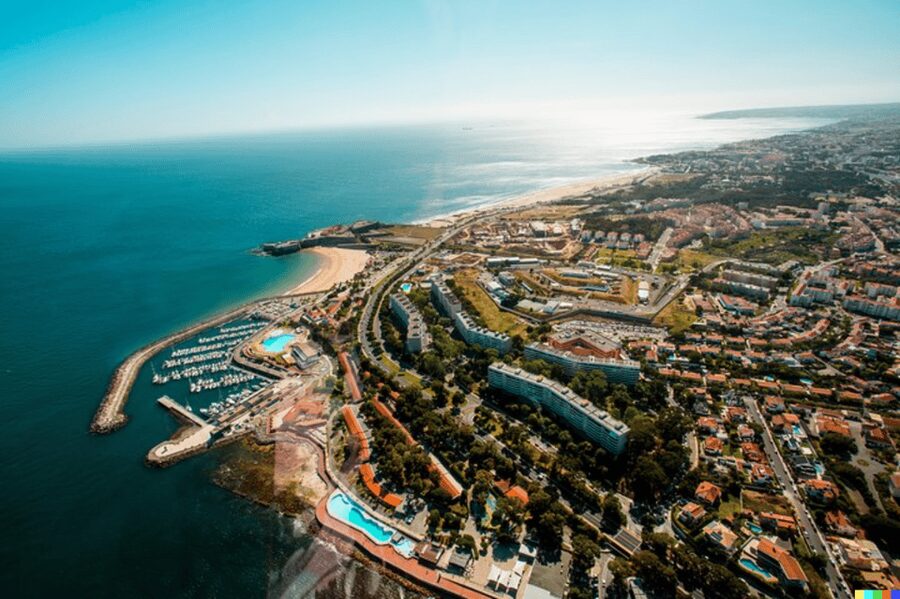
One of the smartest parts of this flight is starting with the defensive coastline logic of the Tagus. The Fort of São Julião da Barra sits at the kind of strategic point that makes sense only when you can see the water lines around it.
From the air, fortifications don’t look like random stone blocks. They look like instruments placed to control an approach. That shift—from “I’ve heard of this” to “I understand why it was built here”—is exactly the value of flying instead of touring by road.
You’re also getting your first big aerial “anchor point.” Once you’ve seen the fort from above, the river and the coastal bends start making more sense. It’s the start of a visual storyline that carries through to Bugio and the estuary.
Fort of São Lourenço do Bugio and the Bugio Lighthouse area
Next you move to the Fort of São Lourenço do Bugio and the Bugio Lighthouse area. These are the kind of landmarks that look dramatic from street level, but from the air they become even more interesting because you can see how the lighthouse/fort relationship fits into navigation and the river’s entrance.
This part of the flight is where I’d expect you to feel the “oh wow” moment most strongly. The combination of water, cliffy coastline, and these structures creates a strong sense of depth that photos can’t fully capture. You’re not just seeing objects—you’re seeing how they sit in the geography of the Tagus.
If you like details, this is also the moment when your guide can really make the flight click. The best aerial commentary turns the view into named locations you’ll recognize later, instead of a blur of coastline.
Carcavelos: golden beach and a coastline you can measure in your head
Then comes Carcavelos, known in the highlights for its golden beaches. This is a calmer visual break after the fort-and-lighthouse segments. You start to see long stretches of sand and the way the ocean meets the land in smooth lines.
Why this stop matters: it gives your brain a rest point. Forts and cliffs are high-contrast subjects. Beach segments help you reframe what you’re seeing so the next turn toward Estoril’s dramatic coastline feels even more dramatic.
Also, Carcavelos helps you understand the scale of the coast. From above, the spacing between towns, beaches, and cliff edges becomes obvious. That’s hard to grasp from the ground when everything is broken up by roads and viewpoints.
Estoril and the Casino area: cliffs, coastline drama, and WWII intrigue
After Carcavelos, you’re heading into Estoril, including the Estoril Casino area. The highlights point out that the casino became a famous espionage hotspot during World War II, and that historical tag changes how you might look at what you see from above.
From the helicopter, the casino area is less about the building itself and more about the setting. You’ll see how Estoril sits along a coastline that mixes sea views with steep terrain. Those dramatic cliffs and the way the urban shape clings to the edge are easier to appreciate from above than from most ground viewpoints.
The big advantage here is speed. If you tried to stitch together multiple viewpoints by car, you’d spend time commuting, dealing with parking, and picking between lookouts. In the air, the flight compresses the whole “Estoril feel” into a single guided pass.
Cascais: royal-summer town vibes, crystal water, and marina geometry
Then the flight moves to Cascais, described as a historic town and summer refuge for Portuguese royalty, with crystal-clear waters, golden sands, and lush greenery. From the air, those descriptors stop sounding like marketing and start becoming shapes: water color bands, shoreline curvature, and how the town nestles along the coast.
Cascais also includes the Cascais Marina area. Marina layouts are one of those things helicopters are great for because the harbor geometry shows how the town works as a coastal hub—lines, docks, breakwaters, and the way boats sit against the water.
This is where many people start thinking beyond photos. You begin to imagine summer days—walking the promenade, taking dips, and watching the coastline change light as you move. The helicopter doesn’t replace that time on foot, but it gives you a high-level map that makes your ground exploring more satisfying afterward.
Cascais Citadel and Boca do Inferno: fort history and raw coastline power
The highlights call out Cascais Citadel, a 16th-century fortress. From above, a citadel becomes easier to interpret because you can see how fortifications sit above approaches and protect critical edges. Instead of guessing why it’s where it is, you can connect the dots between walls and the coastline.
Another featured natural stop is Boca do Inferno, known for striking cliffs. The key thing from a helicopter is not just seeing the cave/rock features—it’s understanding how the cliffs cut into the coastline and how the surf interacts with the rock faces. That “power of water meets stone” feeling comes through fast when you view it from height.
If you like dramatic coasts, this is the part where you’ll probably keep looking even after the guide finishes a point. The cliffs and rock patterns have a kind of immediacy from above that can feel almost cinematic.
Timing, group size, and the real-world logistics that affect your day
This is a private group experience with a flight duration of about 20 minutes. The price is $846 per group up to 3, and that matters because the value depends on who’s sharing with you. If you’re traveling with two friends or family members, you can spread the group cost and turn it into one of the most memorable “we splurged” moments in Lisbon.
Check the practical constraints before you get too excited:
- Max weight per flight is 235 kg, so the group’s combined weight matters.
- You’ll also want to note the limits around individual riders: it’s not suitable for people over 264 lbs (120 kg) and not suitable for children under 2 years.
- If you’re pregnant or dealing with a chronic health condition, consult your doctor before booking.
What to bring is straightforward: passport or ID card.
One more practical detail: if you want a video of your flight, it’s not included. You’ll need to contact the provider in advance if that’s something you care about.
And about timing: one verified experience reported excellent communication and an on-time start, with the flight lasting exactly 20 minutes. Another experience reported a delay and less-than-ideal customer service around notice. So I’d treat this as an activity where you keep a calm attitude and don’t schedule something tight immediately afterward.
What you’re really seeing: how the route builds a story of coast and defense
The route is basically a guided lesson in how Lisbon’s coastline worked. You start with fortress logic at the Tagus entrance, move through navigation landmarks like the Bugio Lighthouse area, then transition to coastal life at Carcavelos and Estoril, where cliffs and buildings meet the sea. Finally, you shift to Cascais, where the town’s fortifications and cliff zones show a blend of urban history and natural force.
That arc is what makes the helicopter more than a quick thrill. Even though it’s short, the route gives you context: why these structures exist, why these towns grew here, and why the coastline looks like it does.
Also, the live English/Portuguese commentary can be the difference between “pretty view” and “I can tell you what I’m looking at.” The best part, based on real experience with the operation, is that the pilot used the flight to point out details during the ride, not just at check-in.
Who should book this helicopter over Estoril and Cascais
This is a great fit if you:
- Want a high-impact Lisbon experience in a short window
- Like history and geography, especially when it’s tied to place names
- Travel as a small group (since the price is per group up to 3)
- Are celebrating something and want an experience that feels special fast
It’s also a good match for people who don’t want hours of driving between viewpoints. A road itinerary can be fun, but it won’t recreate the overhead reading of coastline, forts, estuary shape, and cliff lines in one guided pass.
Should you book this Lisbon helicopter tour?
Book it if you’re craving the one perspective Lisbon does best from above. The combination of Tagus estuary landmarks, fort zones, and the Estoril–Cascais coastline story is exactly the kind of route that makes a short flight feel worth it.
Skip—or at least think twice—if you’re sensitive to scheduling changes or you want a long, leisurely activity. This one is tight on purpose: 20 minutes means you’ll get the highlights, not a slow wander.
If you do book, I’d plan with a small buffer before and after, and make sure everyone in your group is within the weight limits. Arrive ready for the briefing and paperwork flow, because smooth flights depend on everyone being prepared.
FAQ
How long is the helicopter flight?
The helicopter flight lasts about 20 minutes.
What’s the price for this tour?
It costs $846 per group, up to 3 people.
Where do we meet for the flight?
You’ll meet at Lisbon Heliport on Passeio Maritimo de Algés, near the VTS Tower, in Algés.
What’s included in the experience?
Included items are check-in, a security briefing, and a private helicopter flight.
Is a flight video included?
No. If you want a video of your flight, you need to contact the provider in advance.
What languages is the live tour guide available in?
The live tour guide is available in English and Portuguese.
What should I bring on the day of the flight?
Bring a passport or ID card.
Who can’t book this experience?
It’s not suitable for children under 2 years, and it’s also not suitable for people over 264 lbs (120 kg).