REVIEW · KAANAPALI
Maui: Waterfalls of West Maui and Molokai Helicopter Tour
Book on GetYourGuide →Operated by Blue Hawaiian Helicopters · Bookable on GetYourGuide
Molokai looks different from 1,000 feet up. This West Maui and Molokai helicopter tour is built for scale: 88 miles of untouched coastline and clear Bose Aviation-grade headsets so you actually catch the narration. The main drawback is the price at $419 per person for a short 50-minute flight.
I like that the experience mixes big views with a certified guide who stays focused on what you’re seeing—Hawaii place names, culture, and ancient island traditions. From Kahului, you’ll sweep over West Maui valleys and mist-covered peaks, then out to Molokai’s north shore for dramatic sea-cliff waterfalls.
In This Review
- Key highlights worth aiming for
- Why a helicopter is the fastest way to see West Maui waterfalls and Molokai sea cliffs
- Your route from Kahului Heliport to West Maui Mountains
- Kahului and the view of Haleakala country
- Wailuku to the gateway areas of ‘Iao Valley
- Waihee ridge lines and the turn toward dramatic terrain
- Kahakuloa Bay: the remote former fishing village feel
- Puu Kukui, plus Mauna Kahālāwai’s high points
- Pailolo Channel: where the route breathes between islands
- Molokai north shore: sea-cliff waterfalls and Kalaupapa from above
- Ka’anapali, Kapalua, and Pelekunu Bay: beaches on one side, cliff valleys on the other
- Ka’anapali: classic shoreline views
- Kapalua: beaches plus golf-course country
- Pelekunu Bay and the last free-flowing stream idea
- The pilot-guide narration: hearing the story, not just the wind
- Eco-Star helicopter experience, comfort, and photo reality checks
- Headsets, hats, and the photo rules
- No luggage or large bags
- Weight and seating: the rule for over 240 lb
- Wheelchair access and lap infants
- One more health note: no scuba within 24 hours
- Price and value: what $419 buys you for 50 minutes of flight
- Who this tour fits best
- Should you book the West Maui and Molokai helicopter tour?
- FAQ
- How long is the helicopter tour?
- Where does the tour depart from?
- How big is the group?
- Is there a guide and is the narration in English?
- What kind of audio do you get during the flight?
- Will I be able to see or get video after the flight?
- What do I need to bring for check-in?
- Is the tour wheelchair accessible?
- What items are not allowed during the tour?
- What are the rules for weight over 240 lb and for late arrival?
Key highlights worth aiming for
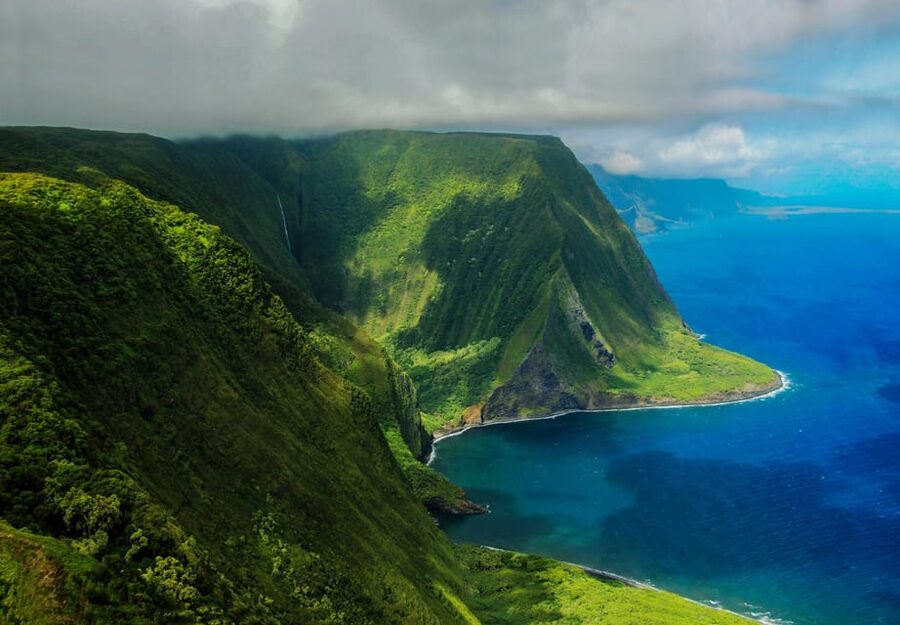
- 88 miles of coastline in a quick, time-saving flight
- State of Hawaii certified tour guide/pilot giving the commentary
- Bose Aviation noise-canceling headsets with recorded narration
- Molokai north shore sea cliffs and the Kalaupapa community from above
- Puu Kukui and the Mauna Kahālāwai ridge views along the West Maui Mountains
- Small group, up to 6 people, keeping the ride personal
Why a helicopter is the fastest way to see West Maui waterfalls and Molokai sea cliffs
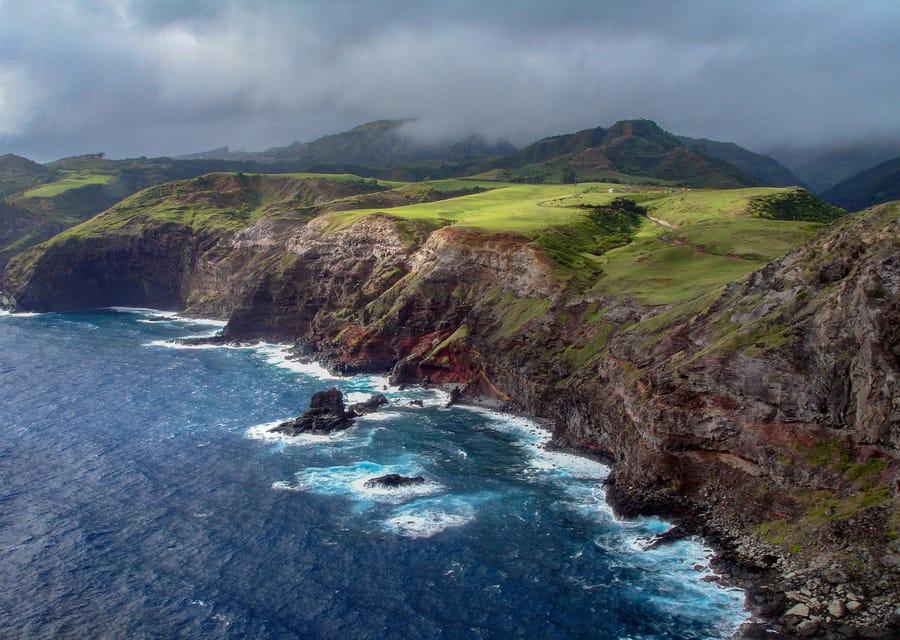
If you’re short on time, a helicopter is the cleanest way to “get the whole picture.” On this route you’re not just seeing water and rock—you’re seeing how the ocean meets the mountains in a way you can’t fully grasp from the road.
I also like that the tour isn’t only about spectacle. You’ll get live guidance plus audio narration that helps you connect what you’re looking at with the stories of each area. That turns a pretty flight into something you’ll remember.
Your route from Kahului Heliport to West Maui Mountains
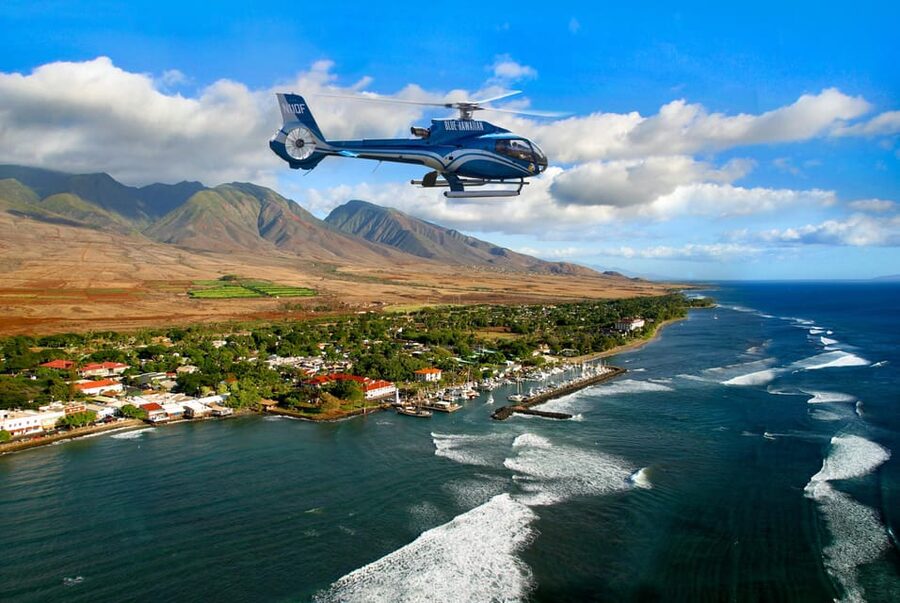
The flight departs from Kahului Heliport, and the first stretch sets the tone: you start over familiar Maui areas, then gradually move into the more remote mountain and coastal sections. It’s a good pacing trick. You get context early, then the scenery ramps up.
Here’s what you’ll see along the way, and why each section matters:
Kahului and the view of Haleakala country
Early on, you pass over Kahului, Maui’s economic hub. From the air, it’s a quick reminder that this island has modern life, even when the rest of the tour shifts toward rainforest valleys and cliff country. You also get views toward Haleakala and the West Maui Mountains, which helps you “place” the geography.
Wailuku to the gateway areas of ‘Iao Valley
Next is Wailuku, described as an ancient population center and a gateway to ’Iao Valley and the West Maui Mountains. From above, the terrain makes sense fast. Valleys, ridges, and how water moves through the island all become easier to understand once you can see the shape of the land.
Waihee ridge lines and the turn toward dramatic terrain
You’ll also fly over Waihee, known for lush ridge lines and bold terrain. I like this middle portion because it’s where the green stops looking flat. The ridges create layered depth, so you get a sense of how the mountains slice the island.
Kahakuloa Bay: the remote former fishing village feel
Then comes Kahakuloa Bay, a remote former fishing village. From the air, you can literally see why coastal communities mattered here. The bay’s position and the coastline shape help you understand how hard it would be to reach many of these places by land alone.
Puu Kukui, plus Mauna Kahālāwai’s high points
You’ll pass by Puu Kukui, the highest peak of Mauna Kahālāwai in the West Maui Mountains. When you see a true high point from above, the whole system clicks: peaks, ridges, valleys, and how mist gets trapped in the higher sections.
Pailolo Channel: where the route breathes between islands
You’ll also fly over the Pailolo Channel. This part is more than a transfer—it gives you a clean, open-water view. It’s a nice visual break from the tight mountains and coastal cliffs, and it helps you reset your eyes so the Molokai portion hits harder.
Molokai north shore: sea-cliff waterfalls and Kalaupapa from above
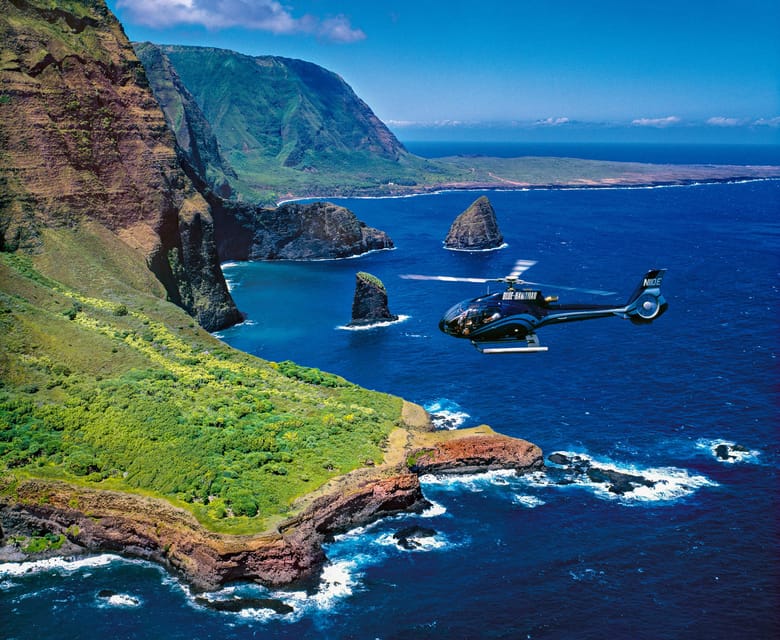
The big emotional payoff is on Molokai’s north shore. This is where you see towering waterfalls plunging from sea cliffs toward the ocean. From ground level, you can search for waterfalls for hours and still miss the full scale. From the air, the geometry does the work for you.
Molokai is also described as home to the world’s highest sea cliffs, and that’s exactly what you’ll be looking at when you’re over the north side. The cliffs look vertical in a way that’s hard to imagine until you see them from above.
You’ll also fly past Kalaupapa, the famous community there. Even if you don’t know the details already, the aerial perspective gives the right kind of respect to the setting: steep terrain, dramatic coastline, and a sense of place that feels removed from anything “routine.”
Ka’anapali, Kapalua, and Pelekunu Bay: beaches on one side, cliff valleys on the other
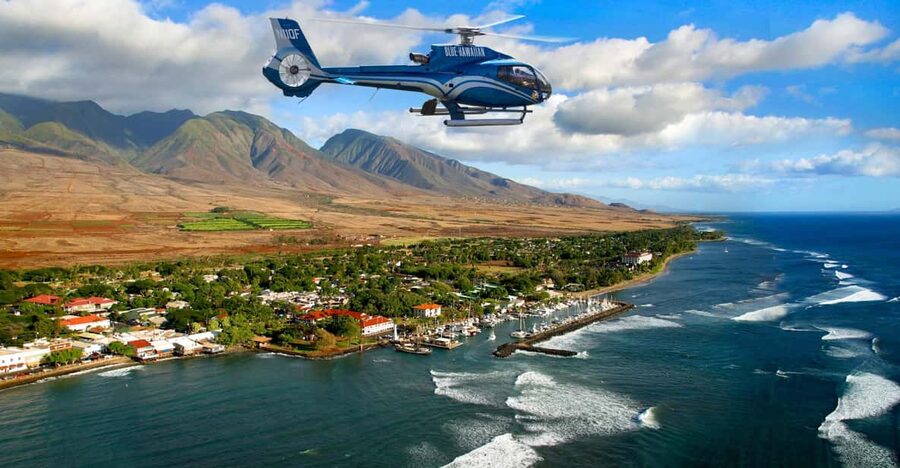
After Molokai, the flight turns back toward Maui, and the contrast is part of the charm. You go from cliff-and-waterfall drama to sections that look like postcard Maui—then to cliff country again.
Ka’anapali: classic shoreline views
You’ll see Ka’anapali, with its beaches and crystal-clear waters. This is the part where you can quickly spot why this coast draws people year-round. It’s also a helpful visual anchor after the steep Molokai scenery.
Kapalua: beaches plus golf-course country
Next is Kapalua, known for beaches, golf courses, and varied views. It’s a reminder that “Maui” isn’t one single look. You’re seeing a mix of coast beauty and managed land use, all sitting beside the rough mountain shapes you’re also flying over.
Pelekunu Bay and the last free-flowing stream idea
The flight includes Pelekunu Bay, flanked by very high sea cliffs. It’s also noted for containing one of Hawaii’s last free-flowing streams. I like the way that detail turns the scenery into something you can almost measure: you’re not just watching ocean and rock, you’re seeing where water still runs freely through the system.
The pilot-guide narration: hearing the story, not just the wind
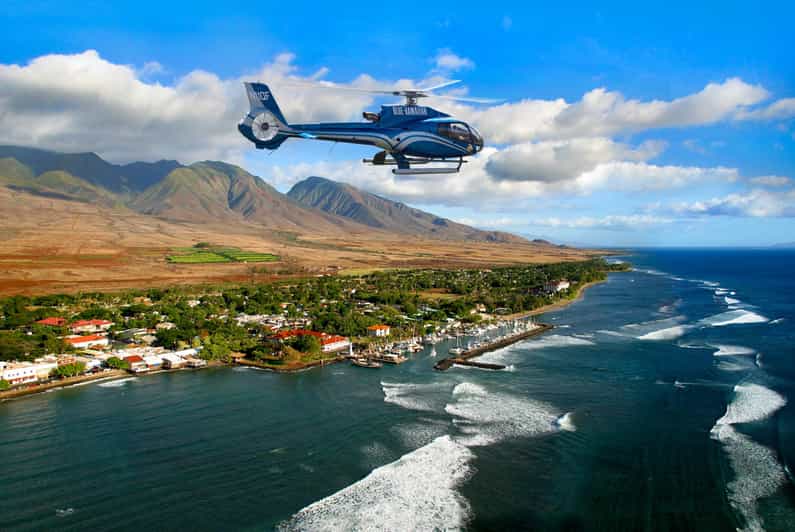
This tour is narrated, and you don’t have to guess what you’re looking at. The pilot is also a State of Hawaii certified tour guide, so the commentary is tied to the places on your route.
Here’s how the audio works in practice:
- You wear Bose Aviation-grade electronic noise-canceling headsets
- You get clear recorded commentary through the headphones
- You also have microphones with 2-way communication with the pilot
That combination matters. Noise-canceling headsets make a huge difference in a helicopter. And the 2-way comms means the pilot can keep you oriented if anything changes in-flight.
The narration is in English, and the tour is described as live tour guide with additional audio narration. You should plan to listen, not just look. The guide’s place-based context helps you spot what’s “special” on the cliff line or where the coastline suggests a former village.
Eco-Star helicopter experience, comfort, and photo reality checks
You’ll fly in an Eco-Star helicopter, and the operator positions it for touring with excellent views. With the small group limit of 6 participants, the cockpit experience usually feels less like a cattle line and more like a focused ride.
A few practical points that help your comfort:
Headsets, hats, and the photo rules
You’ll be in open-air seating for sightseeing, and the rules are there for safety and image clarity. Hats are not allowed, and selfie sticks are also not allowed. The guidance also recommends wearing dark-colored clothing so it doesn’t reflect in photos.
If you’re bringing a camera, keep it ready but steady. Helicopter vibration is real, and dark clothing is a simple trick that can improve what shows up in any photo.
No luggage or large bags
The tour doesn’t want bulk in your space. Luggage or large bags aren’t allowed, so pack light. This is one of those “small” rules that can save stress at check-in.
Weight and seating: the rule for over 240 lb
If you weigh over 240 pounds (108 kg), you’ll need an adjacent empty seat for safe balancing. The second seat is half off the regular tour price, and you have to arrange that seat after booking.
This is one of the clearest ways this tour protects safety while still keeping you comfortable in your seat.
Wheelchair access and lap infants
The tour is listed as wheelchair accessible. Infants up to 23 months must sit on laps and are free of charge.
One more health note: no scuba within 24 hours
You also need to avoid scuba diving within 24 hours of departure. This is a standard safety constraint for air travel after diving, and it’s worth planning around so you don’t lose your slot.
Price and value: what $419 buys you for 50 minutes of flight
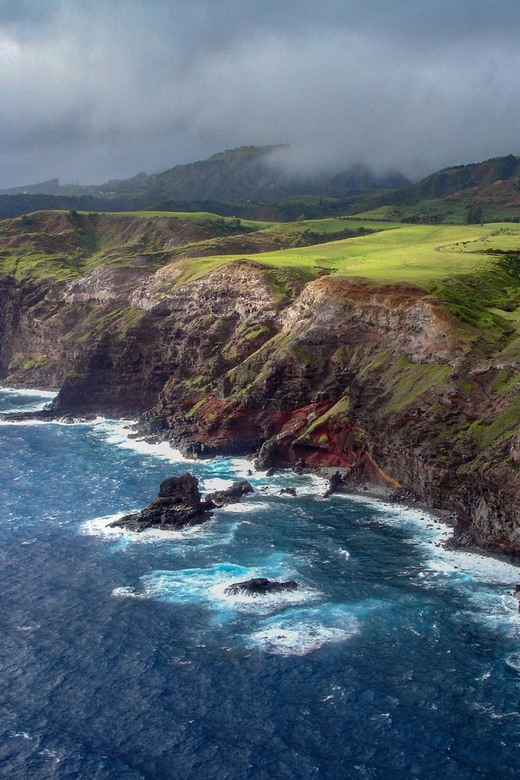
At $419 per person, this isn’t a casual add-on. You’re paying for something very specific: a timed aerial circuit over 88 miles of coastline, plus a guided narrative and comfort tech.
What you’re getting for the money:
- A state-certified guide/pilot perspective while you fly
- Noise-canceling headsets designed for aviation, not just basic audio
- A tight, scenic route that hits Molokai’s north shore sea cliffs and West Maui mountain valleys in one go
- An after-tour video preview at the heliport
What isn’t included (so you don’t get surprised):
- Transportation to and from the heliport
- Parking fees at the heliport
- Any USB photo/video packages sold after the flight
The value question comes down to how your time works. If you only have a day or two and you want the “wow” factor without spending hours driving to multiple lookouts, this is a good use of budget. If you already plan to spend time exploring on foot and by car, this flight will feel more like a splurge than a necessity.
Who this tour fits best
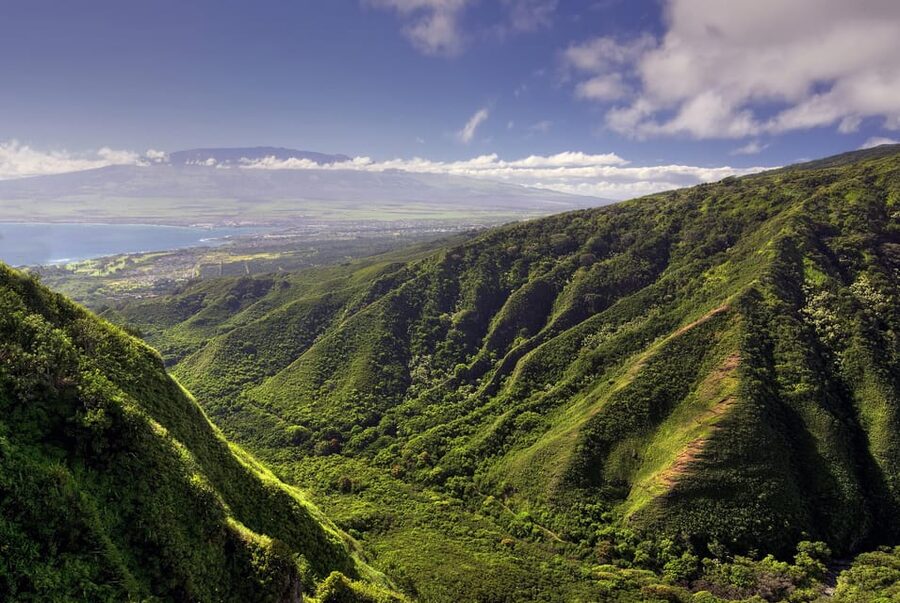
This is a strong match if you:
- Want the best aerial perspective on West Maui and Molokai without losing a day to logistics
- Like tours where the guide explains what you’re seeing, not just where you’re going
- Prefer a small group experience with limited seats
It may not be the right choice if you:
- Want long time on land. This is a flight circuit, not a walking tour
- Have a tight budget and need the lowest-cost way to see Maui and Molokai from the ground
Also, if you’re the kind of person who wants a very relaxed pace, the 50-minute duration means the itinerary stays focused. You won’t get bored, but you also won’t get a slow, lingering look.
Should you book the West Maui and Molokai helicopter tour?
I’d book it if your top goal is seeing the dramatic connection between mountains, cliffs, and ocean—especially the Molokai north shore waterfalls and the sea-cliff scale you can’t really appreciate from road viewpoints. The certified guide/pilot, plus aviation-grade headsets, makes the flight feel more informative than just scenic.
I’d pause before booking if the price is your main stress point, or if you’ll be disappointed by short airtime. Also, be on time: check in 45 minutes before departure, and late arrivals may not be accepted.
If you want a high-value Maui memory with minimal travel time and maximum views, this is one of the cleaner ways to do it.
FAQ
How long is the helicopter tour?
The tour duration is 50 minutes.
Where does the tour depart from?
The tour departs from Kahului Heliport.
How big is the group?
The small group is limited to 6 participants.
Is there a guide and is the narration in English?
Yes. You’ll have a state-certified tour guide/pilot with narration, and it’s listed as English.
What kind of audio do you get during the flight?
You’ll use Bose Aviation-grade electronic noise-canceling headsets and microphones with 2-way communication with the pilot. You also get recorded commentary through the audio headphones.
Will I be able to see or get video after the flight?
There’s an after-tour video preview at the heliport. USB video and photo packages may be available for purchase after the flight.
What do I need to bring for check-in?
Bring a passport or an ID card.
Is the tour wheelchair accessible?
Yes, the tour is listed as wheelchair accessible.
What items are not allowed during the tour?
Hats are not allowed, and luggage or large bags are not allowed. Selfie sticks are also not allowed.
What are the rules for weight over 240 lb and for late arrival?
If a guest weighs over 240 pounds (108 kg), they need an adjacent empty seat for safe balancing, and the second seat is half off the regular tour price. Check in is 45 minutes before the tour, and late arrivals may not be accepted and are non-refundable.