REVIEW · AORAKI MOUNT COOK VILLAGE
Mount Cook: 3 Hour Heli Hike to the Tasman Glacier
Book on GetYourGuide →Operated by The Helicopter Line Mount Cook · Bookable on GetYourGuide
Helicopter drop-offs on ice are unreal.
This Mount Cook experience turns the Tasman Glacier into your trailhead: you fly over Aoraki and the glacier-fed lakes, then land for a guided hike on real glacial ice.
I love the way the team fits you properly and runs the walk with calm, safety-first instruction, with guides such as Kerry often cited for pacing and clear cues. I also love the return flight that tracks close to the dramatic Hochstetter Icefall on Aoraki’s eastern face. One catch: the helicopter portion is weather dependent, and conditions can affect what you get to see on the glacier.
In This Review
- Key Things to Know Before You Book This Heli-Hike
- Why a Heli-Hike to the Tasman Glacier Feels Like a Different Kind of Day
- The Helicopter Flight: Views First, Then the Landing That Changes Everything
- Step Onto the Ice: How Gear Fit and Technique Make the Hike Work
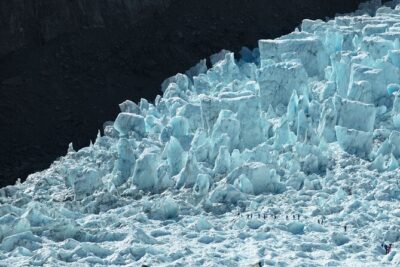
- The Tasman Glacier Walk: Ice Formations, Ice Caves (When Conditions Cooperate), and Real Photo Time
- Timing, Check-In, and the Small-Group Difference That You Feel on the Day
- Who This Heli-Hike Is Best For (And Who Should Skip It)
- What to Bring: The Clothing Choices That Actually Matter on Ice
- Price Check: Does $564 Per Person Make Sense for 3 Hours?
- My Decision Guide: Should You Book This Heli-Hike to the Tasman Glacier?
- FAQ
- How long do I spend hiking on the Tasman Glacier?
- Is hotel pickup and drop-off included?
- What equipment is provided?
- What should I wear or bring?
- What are the age and weight requirements?
- What happens if the helicopter can’t fly due to weather?
Key Things to Know Before You Book This Heli-Hike
- A true 2-hour hike on ice (not just a quick photo stop), with glacier footwear and crampons provided
- Scenic flights from Mount Cook over the glacier area and the Southern Alps during both in and out journeys
- Close-up glacier features like ice formations and sometimes ice-cave access, when conditions allow
- Small group size capped at 10, which helps with safety checks and steady pacing
- Professional guiding all the way from fitting gear to teaching how to walk safely on uneven ice
Why a Heli-Hike to the Tasman Glacier Feels Like a Different Kind of Day
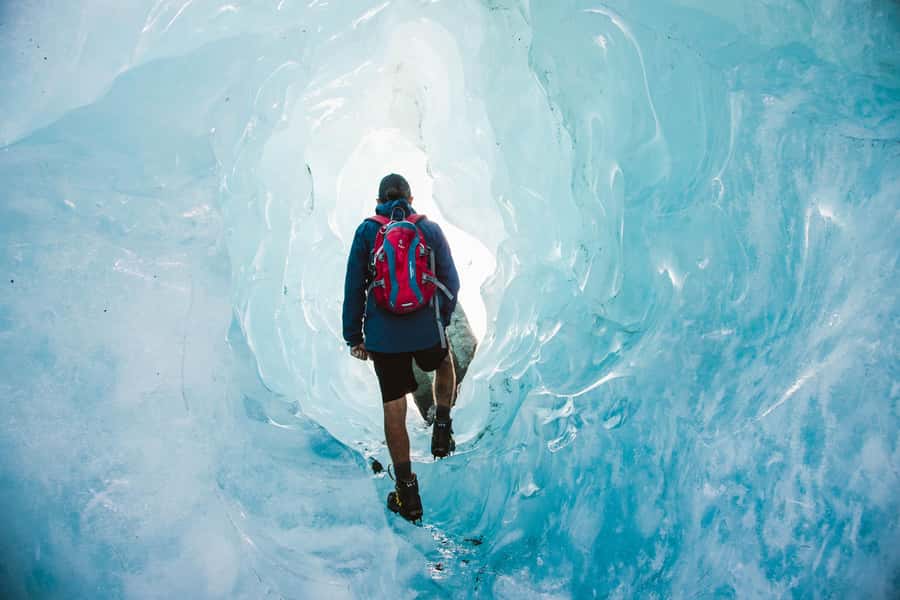
A glacier is already special. A helicopter drop-off makes it feel like a mission.
You start at Mount Cook Airport, not at a trailhead with a long drive and a long uphill. That matters. The day is tight, efficient, and built around one goal: get you onto the Tasman Glacier for a guided walk where you can see the ice up close, not from a distance.
For me, the appeal is how quickly you go from everyday New Zealand scenery to a world of ice texture, cracks, and formations. You’re in Aoraki/Mount Cook National Park, in the shadow of major peaks like Aoraki and Mount Tasman, but you’re also literally stepping onto the “moving” surface of a glacier system. It’s a strong contrast in a short time.
You should also know the experience is designed for people who can follow instructions on cold, uneven ground. It’s not a stroll. The terrain can feel surprisingly up-and-down even when you’re told it’s an “undulating” ice surface.
You can also read our reviews of more tours and experiences in Aoraki Mount Cook Village.
The Helicopter Flight: Views First, Then the Landing That Changes Everything
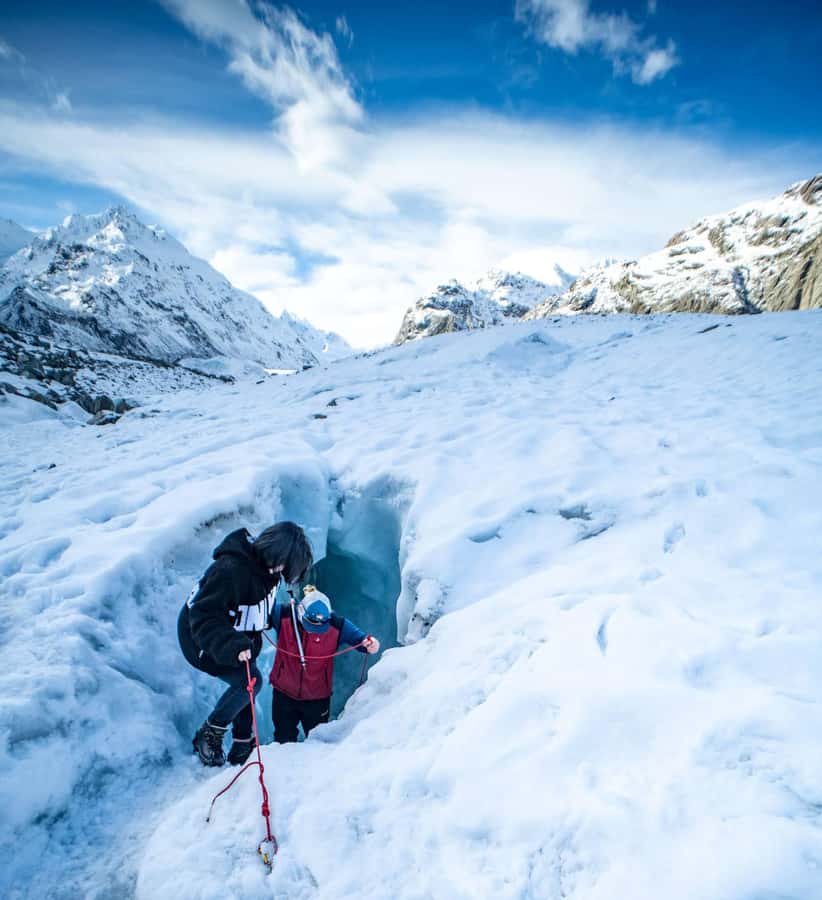
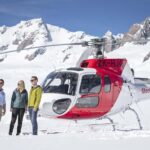
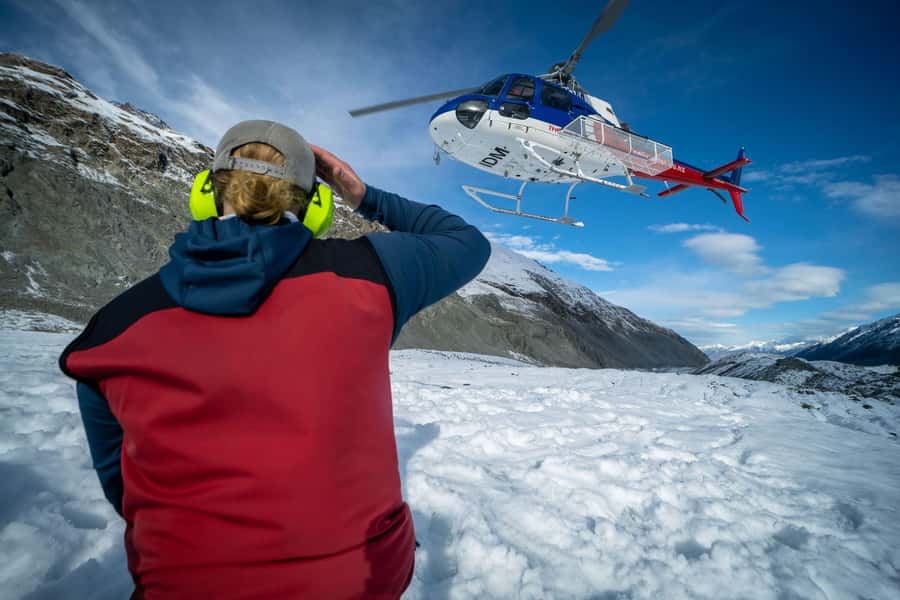
This is a helicopter day, so you’re getting two aerial chances to appreciate the region.
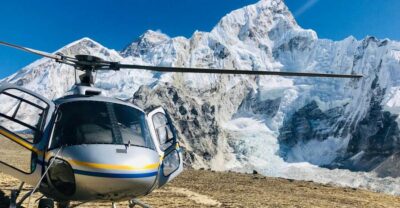
On the way in, you fly from Mount Cook Airport and take in the Tasman Glacier Lake area plus nearby ice formations and mountain massifs. It’s brief, but it’s the kind of short flight where you can look both down at the glacier and out at the Southern Alps at the same time.
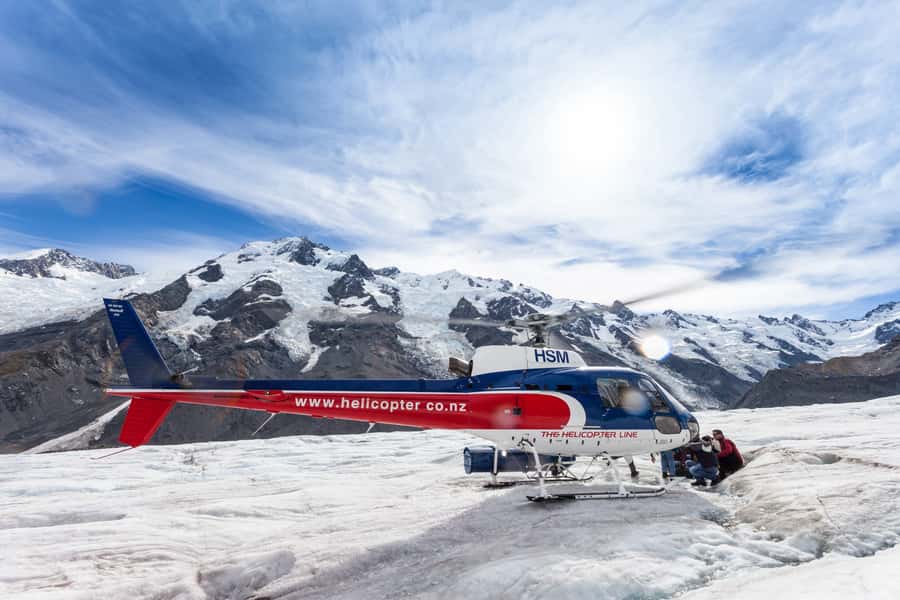
Then you land on the glacier. That moment is the payoff. Even if you’ve seen photos of glaciers, seeing the ice surface from a few steps away is different. The air feels sharper, the colors look flatter, and every movement sounds a bit louder on ice.
On the return, you’re flown close to the huge Hochstetter Icefall on the eastern face of Aoraki. That detail is worth mentally planning for. From the air, icefalls can look like frozen waterfalls, and it’s one more “scale check” for how big these systems are.
Two practical tips that help your experience:
1) Bring your phone or camera so you can actually use the views.
2) Keep your gear simple, because you’ll be fitting boots and crampons and moving around quickly once you’re on the ground.
Step Onto the Ice: How Gear Fit and Technique Make the Hike Work
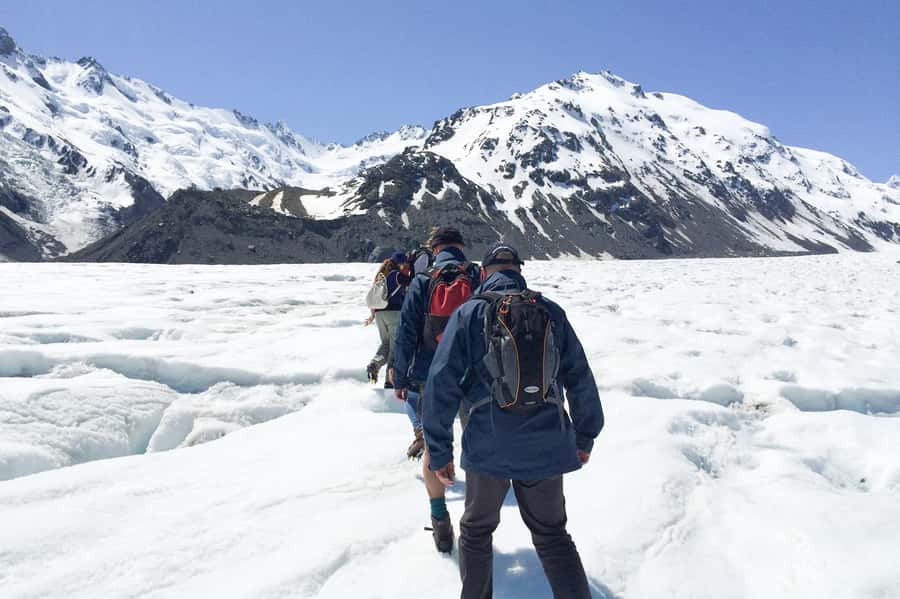
What makes a glacier hike go well is mostly invisible when it’s done right: correct boots, proper crampon placement, and clear technique.
You’ll be provided with equipment, including glacier boots and ice crampons. If conditions call for it, you’ll also get a waterproof jacket. That matters because you don’t want to spend your energy fighting cold fingers or soaking clothing. You want your energy for the steps.
Before you set off, there’s a safety briefing. In practice, it’s not just paperwork. It’s the moment the guide helps your group get aligned on how to move on uneven ice, how to manage balance, and how to react if someone is struggling.
I like that the operation is built around a professional team on the ground and an experienced pilot up top. People consistently emphasize smooth flight operations and careful gear fitting. That combo is a big deal because you’re not just hiking. You’re hiking after a landing on a dynamic surface.
On the ice, expect a 2-hour guided walk. You’re not dragging yourself for hours, but you are working with traction. That takes a bit of brain power. The guide helps you keep steps stable, and that support makes the hike feel less risky and more enjoyable.
The Tasman Glacier Walk: Ice Formations, Ice Caves (When Conditions Cooperate), and Real Photo Time
You’ll spend the middle chunk of the experience on the glacier itself, where the guide shows you what you’re looking at: the ice formations, the texture of the surface, and how to interpret the glacier environment.
This is also where conditions matter. On some days, you may get access to features like ice caves. On other days, heavy snowfall in the days before your visit can limit what’s safe or reachable, which can reduce how much you see beyond the main ice area.
I think that’s important for your expectations. You’re paying for the main event—landing on the Tasman Glacier and walking on it. The extra features are a bonus, not a guarantee. When weather has been rough, you might get a more standard walk with fewer cave-style moments.
Still, it’s a serious photo opportunity. You’ll have a chance to look back toward the peaks, watch the way light hits the ice, and capture the scale of the glacier formations around you. The best photos from glacier hikes usually come from doing something boring well: slow pauses, good footing, and not rushing every shot.
And here’s the slightly funny part: crampon hiking changes your sense of pace. You can feel cautious, even when you’re doing fine. That’s normal. Let the guide set the rhythm.
Timing, Check-In, and the Small-Group Difference That You Feel on the Day
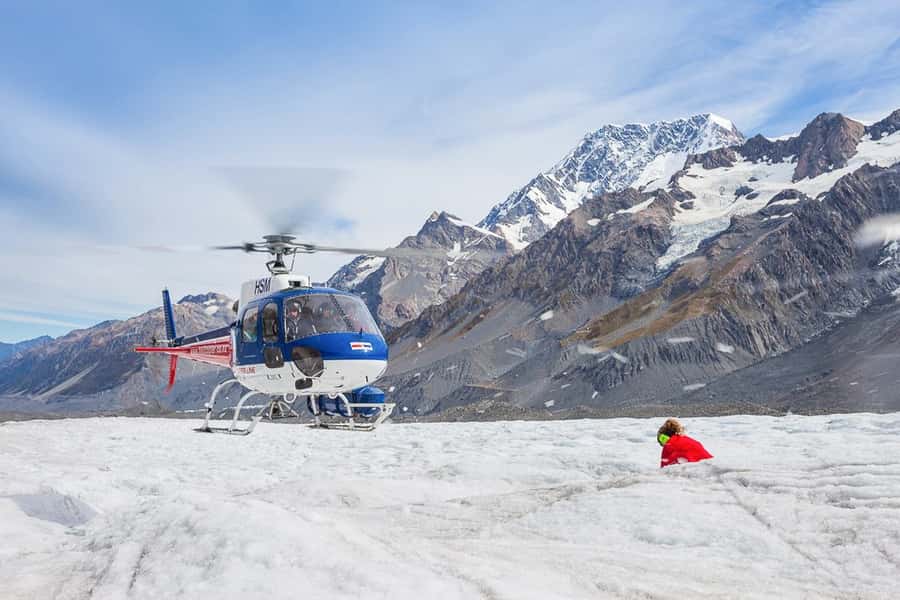
This tour runs for about 3 hours total. Most of the flight time is short. The centerpiece is the 2-hour hike on ice.
Because it’s time-tight, check-in timing matters. Your requested time is check-in time, but you should plan for at least 45 minutes after check-in for the safety briefing and gear fitting. If you show up “just in time,” you’ll feel rushed. If you arrive with breathing room, you’ll feel more relaxed once you’re kitted out.
The group size is limited to 10 participants. That’s a sweet spot for glacier work. You get enough people for shared excitement, but not so many that the guide can’t watch footing closely. In the best moments, the guide can react if someone tires or needs extra help.
You also need to be ready for the reality of helicopter scheduling. Helicopter flights depend on favorable weather conditions and minimum passenger numbers. That can mean the day is slightly weather-optimized, which is why the experience includes options if you’re canceled.
Who This Heli-Hike Is Best For (And Who Should Skip It)
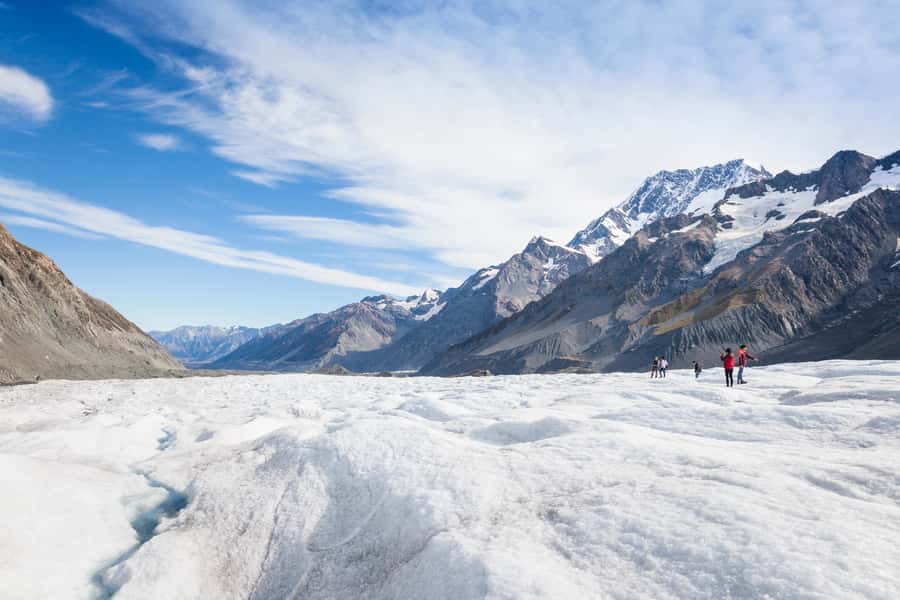
This isn’t “hardcore” mountaineering, but it is glacier terrain with real traction needs.
You should have moderate fitness and be able to hike steadily on uneven ice for about 2 hours. You don’t need to be a trail athlete, but you do need stamina and good balance. Some people feel tired at the end, partly because cold + traction work + nerves all add up.
Age and body limits are clearly defined: you must be at least 10 years old, and there’s a maximum weight limit of 150 kg per person, including equipment. Also, the activity is not recommended for people who are pregnant.
If you’ve got any mobility concerns, plan carefully. The guide can help, but glacier walking can’t be turned into a wheelchair-friendly experience.
What to Bring: The Clothing Choices That Actually Matter on Ice
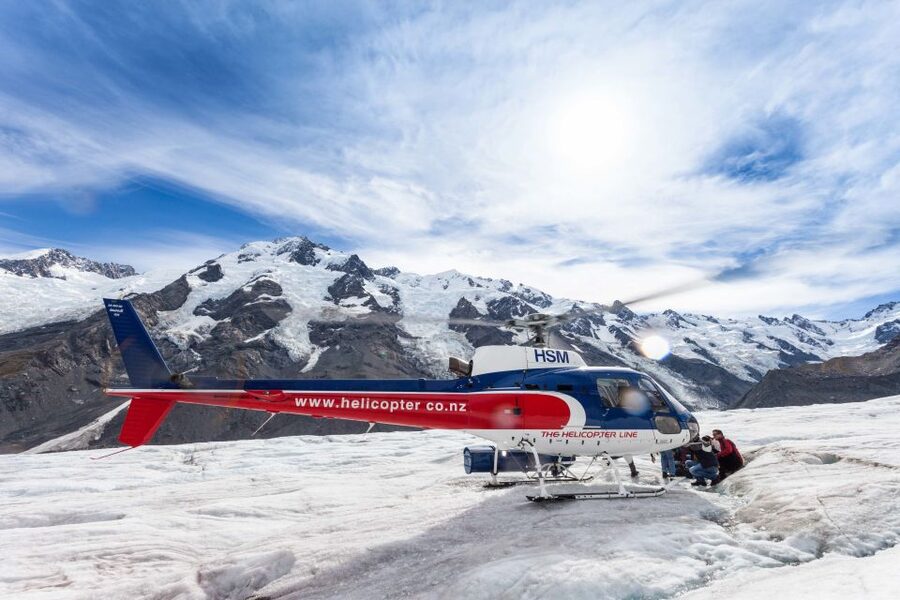
You’ll get a lot of the cold-weather support from the operator (gear fitting and possibly a waterproof jacket), but your clothing still makes or breaks comfort.
Bring:
- Comfortable shoes (sturdy, closed-toe is your best bet)
- Warm clothing layers
- Rain gear
- Sunscreen and sunglasses (yes, even in colder conditions)
- Your phone or camera
A practical note: non-permitted items include drones, selfie sticks, and tablets/iPads. Leave them at home so you’re not stuck dealing with it at check-in.
Also, use common sense on layers. You’ll be outdoors, in the cold, and on a glacier surface where wind and wet conditions can happen. If you under-pack, you’ll feel it fast.
Price Check: Does $564 Per Person Make Sense for 3 Hours?
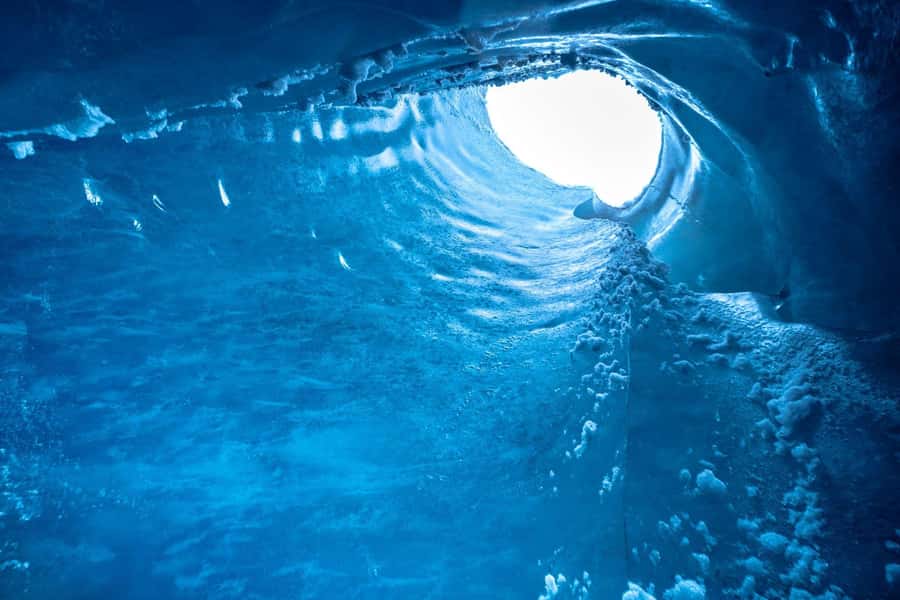
At $564 per person for about 3 hours, this is not a budget outing. You’re paying for three things at once:
1) Helicopter flight time (in and out)
2) A glacier landing and guided glacier hike
3) All key equipment, including glacier boots and crampons, plus a professional guide team
So the value isn’t that it’s long. It’s that it’s rare. Most people won’t get to land directly on the Tasman Glacier, step onto glacial ice, and learn how to walk it safely with guided instruction. You’re essentially buying access plus expertise plus transport.
Is it worth it? If you want a once-in-a-lifetime glacier experience that turns Mount Cook into something more than views, then yes, the price aligns with what you’re getting: flight + landing + guided ice time.
If you’re price-sensitive or you mainly want scenery, you may prefer other Mount Cook activities that don’t include helicopter costs. But if your dream has a helicopter-to-glacier moment in it, this one fits that bill cleanly.
My Decision Guide: Should You Book This Heli-Hike to the Tasman Glacier?
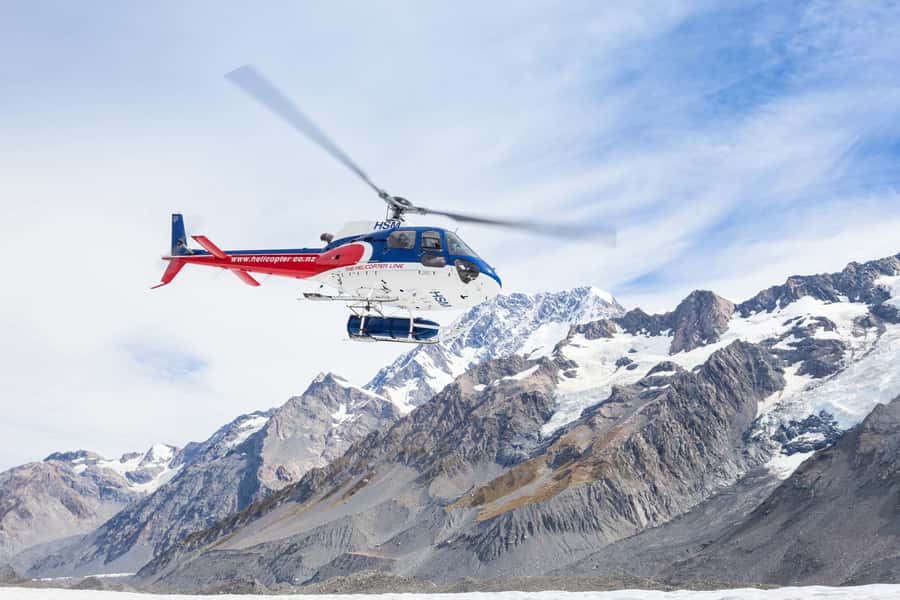
Book this heli-hike if:
- You want the glacier close-up experience, not a distant viewpoint
- You feel comfortable with guided hiking on cold, uneven ground
- You’re excited by helicopter flights and the chance to see the Hochstetter Icefall from above
- You’re going to dress warmly and follow safety instructions without trying to outsmart the weather
Skip or reconsider if:
- You’re pregnant (it’s not recommended)
- You can’t meet the age or weight limits
- You struggle with moderate fitness hiking demands
- You’d be devastated if weather reduces extra ice features like caves
If you’re on the fence, here’s the honest way to think about it: the main attraction is the 2-hour time on the Tasman Glacier after that glacier landing. When conditions are right, you’ll get both ice formations and the kind of views you won’t recreate anywhere else.
FAQ
How long do I spend hiking on the Tasman Glacier?
You’ll hike for about 2 hours on the glacier. The full tour duration is about 3 hours, including flights and safety/gear time.
Is hotel pickup and drop-off included?
Yes. Pickup and drop-off are included in Mount Cook Village.
What equipment is provided?
You get glacier boots and ice crampons. A waterproof jacket is provided if required.
What should I wear or bring?
Bring warm clothing, rain gear, and comfortable shoes. You should also consider sunscreen, sunglasses, and have your phone or camera ready.
What are the age and weight requirements?
You must be at least 10 years old. There is a maximum weight limit of 150 kg per person, including equipment.
What happens if the helicopter can’t fly due to weather?
The flight depends on favorable weather and minimum passenger numbers. If it’s canceled, you’ll be offered an alternative date or a full refund.