REVIEW · GLENTANNER
Mount Cook: Glentanner High Country Heli Hike
Book on GetYourGuide →Operated by Glentanner High Country Heli Hike · Bookable on GetYourGuide
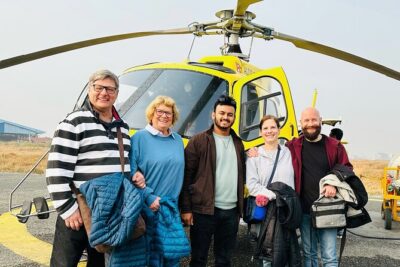
Helicopter plus hut walk brings the Alps close. The Glentanner High Country Heli Hike pairs a scenic helicopter hop over the Southern Alps with a guided trek on Glentanner Station’s private land, plus exclusive access to a restored historic field hut. You’re not just looking at Aoraki Mount Cook from a car park. You’re getting up close, landing high, walking a real track, and taking photos with room to breathe.
I especially love two things here. First, the private-land access on family-owned Glentanner Station gives you a sense of place that road views can’t match. Second, the guiding is a big part of the magic, with Brian (also seen as Bryan) called out for being fun, attentive, and seriously informative about the local environment and how the land has been used.
The main consideration is effort and timing: it’s a 7 km walk over uneven ground, and the activity is weather dependent. If that kind of hike or an outdoor plan shift sounds stressful, you’ll want to weigh it carefully.
In This Review
- Key things to know before you go
- Where the Glentanner story lives near Aoraki Mount Cook
- The helicopter ride: fast views, real angles, and useful context
- The 7 km High Country walk: a proper track with uneven ground
- Historic Field Station museum access: the part that turns scenery into a story
- Tea break in the high country: small comforts, big payoff
- Price and value: what $295 buys you in time and access
- Who should book the Glentanner High Country Heli Hike
- Weather shifts and timing: build a little slack into your day
- Should you book this heli-hike?
- FAQ
- How long is the Mount Cook Glentanner High Country Heli Hike?
- How far do you walk on this tour?
- What’s included in the price?
- What should I bring for the hike?
- Is the tour able to handle special diets?
- Is this activity suitable for mobility impairments or medical conditions?
Key things to know before you go
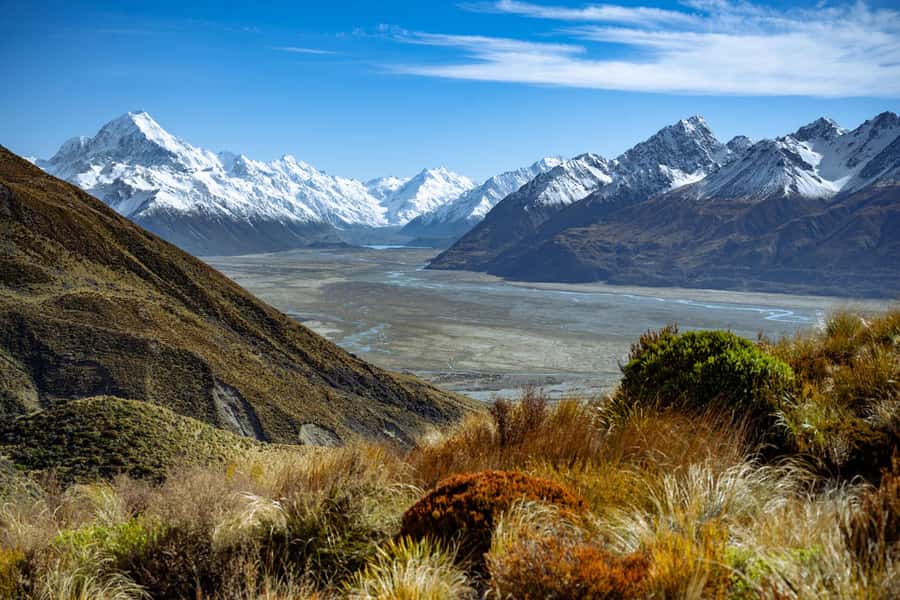
- Helicopter landing high on Glentanner Station: you start your day above the usual viewpoints, then step onto private land.
- A guided 7 km track that’s well maintained: expect a proper hike, but not a scramble.
- Historic field hut museum access: you get entry to a restored Historic Field Station and exhibition.
- Tea break with snacks and drinks: a real break, not just a quick stop for photos.
- Guides who talk land, plants, and farming: Brian/Bryan is repeatedly praised for the story behind what you see.
- Weather can shift the plan: you may transfer to another slot if conditions aren’t safe.
Where the Glentanner story lives near Aoraki Mount Cook
Glentanner Station sits in the Aoraki Mount Cook region, but it doesn’t feel like the standard tourist loop. That’s the whole point of doing this as a heli-hike instead of a bus-and-viewpoint day.
You’re in the country shaped by glaciers. The tour’s walking portion is designed to connect what you see on the ground with how the land got there: glaciers carving the area, then early high-country farming making a tough life possible. Even before you land, the helicopter ride sets expectations: big sky, long sight lines, and that clean Southern Alps air that makes everything look sharper.
For you, the value is mental. You’ll leave with more than photos. You’ll understand how this place works as terrain, as habitat, and as farmland.
You can also read our reviews of more tours and experiences in Glentanner.
The helicopter ride: fast views, real angles, and useful context
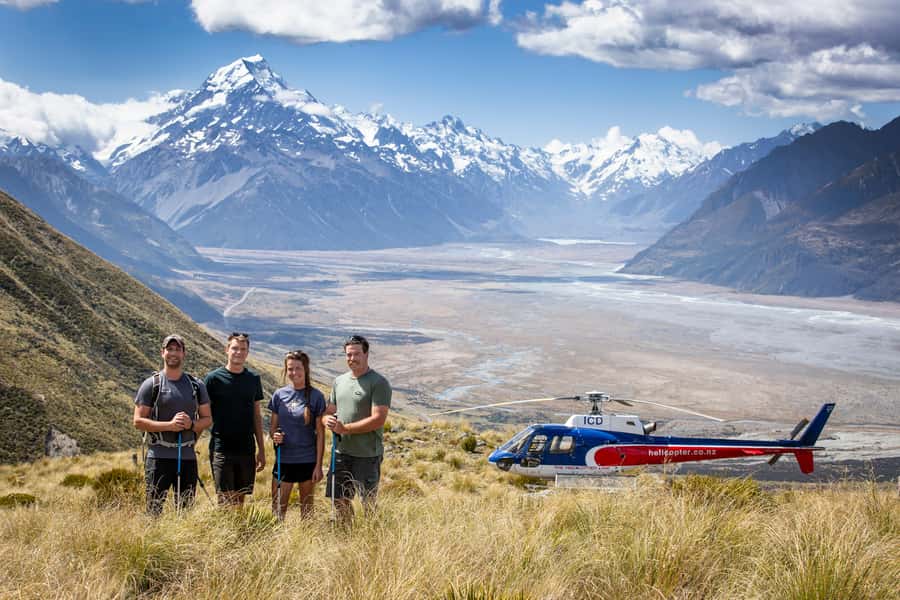
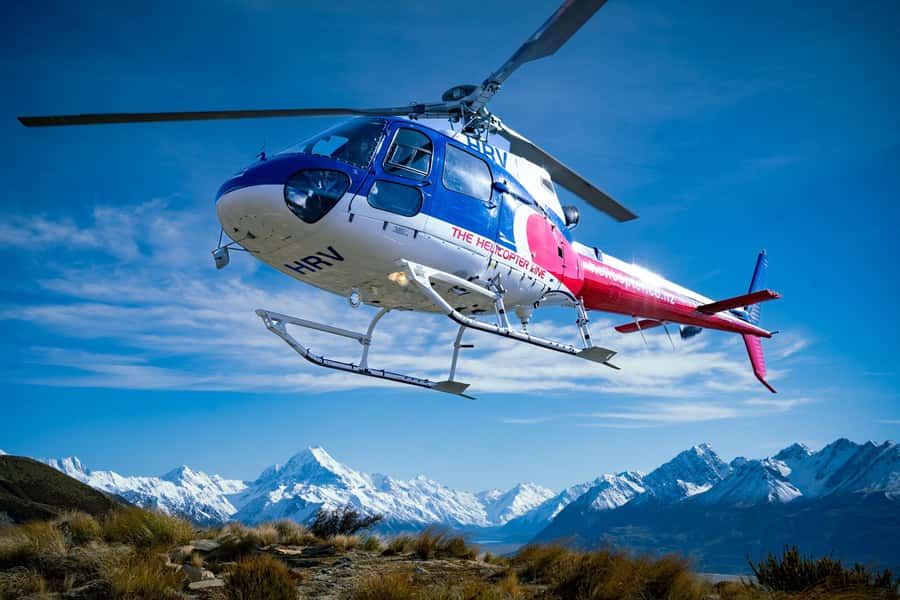
This isn’t a long scenic flight. It’s a focused ride that gets you to a landing point high on Glentanner Station’s land. In a short time window (the whole tour runs about 210 minutes), you cover enough distance in the air to make the day feel special without dragging on.
What I like about the structure is that the helicopter isn’t there just for show. It’s the delivery system for the rest of the experience: landing where you can actually walk, see, and photograph.
A few practical points for your expectations:
- You’ll get views from above the Southern Alps and into the wider area around the station.
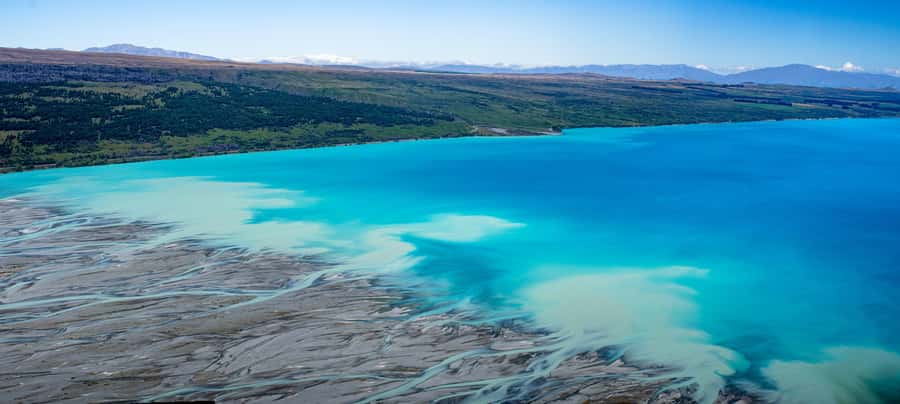
- One review specifically calls out heliride views over the delta area, with Nigel’s comments adding local context during the ride.
- The ride is handled with safety in mind, and that matters more than people expect when you’re strapping into a helicopter for part of your day.
If you’re the type who gets bored on long transfer rides, this is a good fix. You trade road time for angle time.
The 7 km High Country walk: a proper track with uneven ground
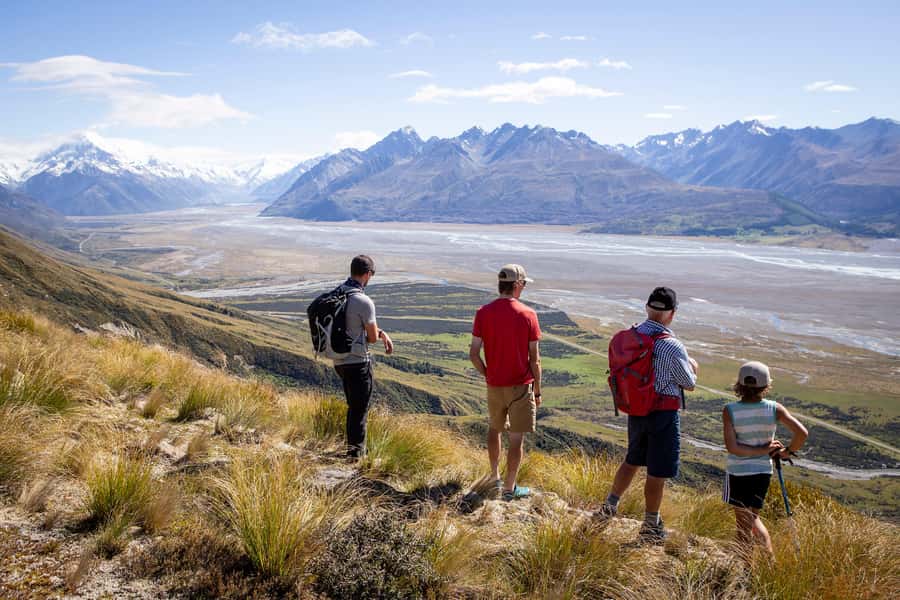
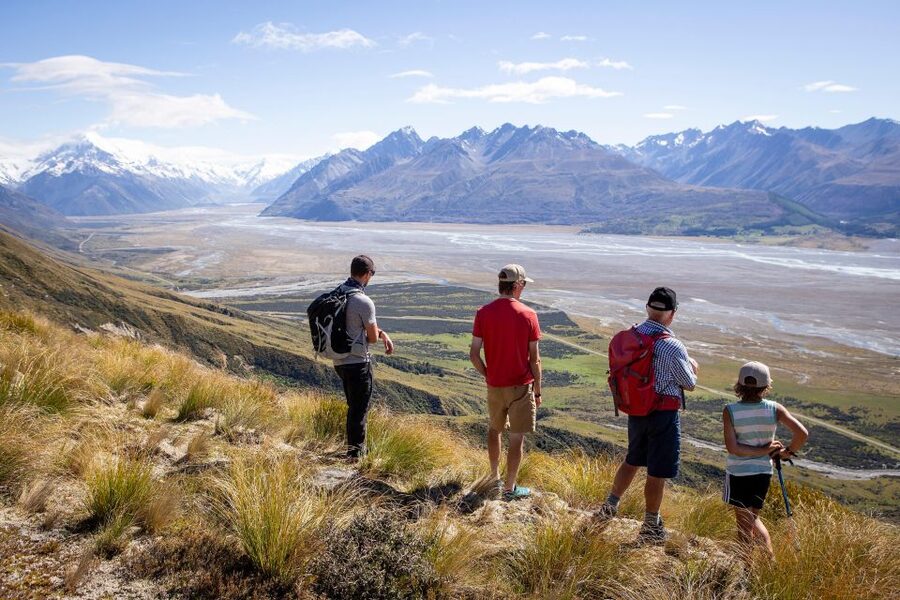
Once you land, you shift into walking mode. The hike is guided and takes you along a 7 km track described as well maintained. That said, well maintained doesn’t mean flat and easy. The tour notes you’ll be on uneven ground, so come ready for real walking.
I’d think of this as a “steady effort” hike:
- Not a technical climb, but it asks for comfortable footwear and a calm pace.
- You’ll want good grip because your footing matters more than speed.
- You’ll be walking with a guide who can point out what you’re seeing, including how the station and environment fit together.
The photo opportunities are built into the route. You’re not constantly stopping to untangle yourself from crowds. You’re moving through open high-country terrain where the views keep changing with your position.
If you’re someone who likes to take photos while walking, plan to go slow at least the first third of the hike. Your eyes will want to check every direction. Let your legs do the quiet work first, then start hunting for the best angles.
Historic Field Station museum access: the part that turns scenery into a story
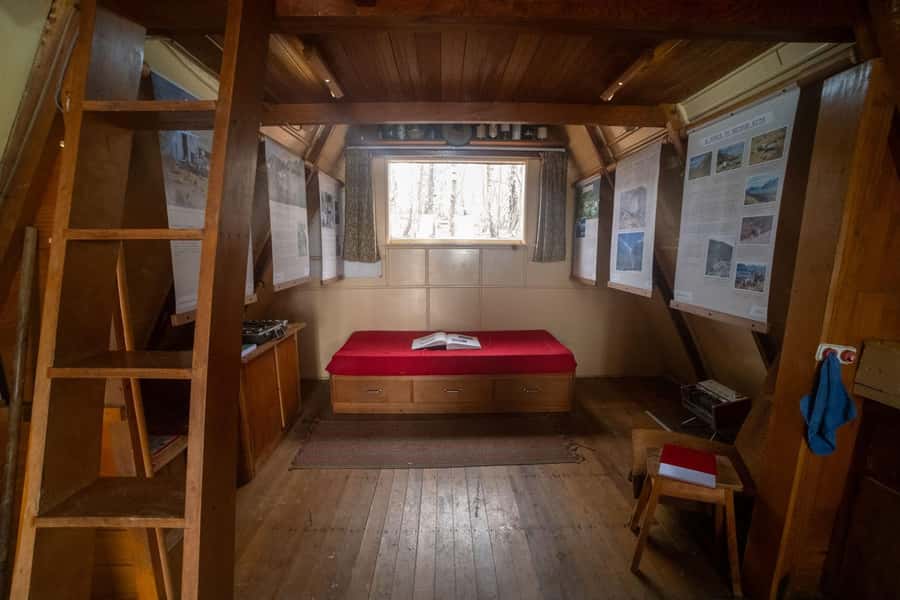
The best “wow” moment here isn’t just the views. It’s getting to a fully restored Historic Field Station and having time to visit the exhibition on site.
This is where the tour stops being purely scenic and starts feeling like learning with your feet. Early high-country farming wasn’t gentle. It was rough, practical, and shaped by weather and terrain. The field station helps make that real.
For you, the practical benefit of including the museum/exhibition is timing. In many tours, people spend the whole day sprinting between photo points and never slow down long enough to connect the scenery to human use of the land. Here, you get that pause.
It also changes how you look at the terrain during the hike. When you know there’s a restored field station waiting, you start noticing how people would have used routes, shelter, and vantage points. Even if your interest is more casual than academic, you’ll feel the difference.
Tea break in the high country: small comforts, big payoff
The tour includes a morning or afternoon tea break, plus snacks and drinks. That might sound like a minor add-on, but it’s a big deal in a helicopter-and-hike day.
Why it works:
- It gives you a chance to refuel without having to manage food logistics yourself.
- It breaks up the hike and gives you downtime for photos and quick conversations.
- You’re more likely to enjoy the last stretch when you’re not running on adrenaline and empty water bottles.
One honest note: specialized dietary requirements can’t be catered to. If you’re on a restricted diet, bring your own snacks. That way you can still enjoy the tea break as a real break, not a stressful guessing game.
Price and value: what $295 buys you in time and access
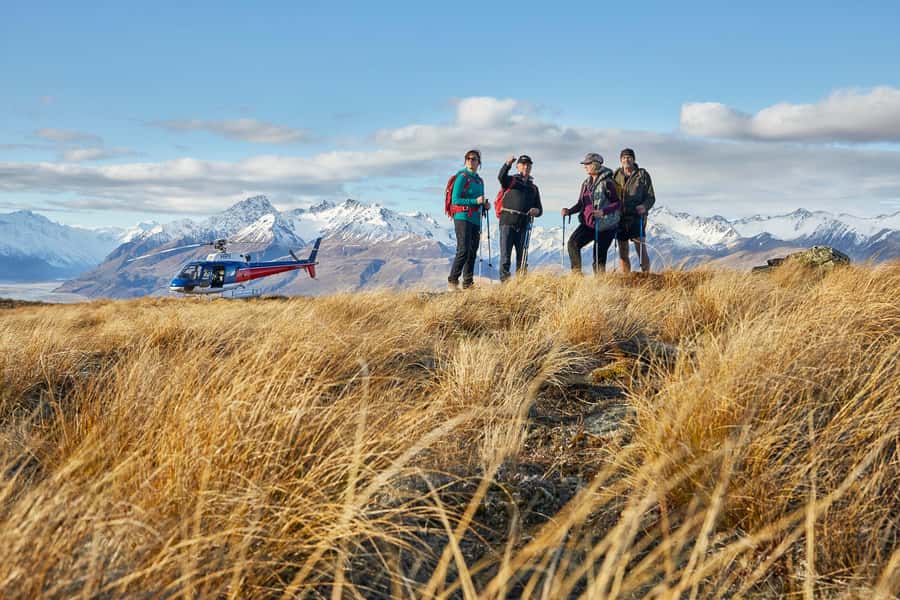
At $295 per person, this isn’t a budget activity. So the question isn’t just whether it’s expensive. The question is whether it buys you access and time that you can’t get any other way.
Here’s what your money is paying for, in plain terms:
- A scenic helicopter flight to an alpine landing point that would be difficult to reach by normal transport.
- A guided hike on private land with a route designed for both walking and viewing.
- Exclusive access to the restored Historic Field Station and exhibition.
- Snacks and drinks plus hiking poles.
- A guide who adds interpretation, not just directions.
If you were to try to recreate this day independently, you’d run into three hard problems: getting to the right high-country landing area safely, arranging private-land access, and finding a guide who can connect the terrain to the station’s story.
So is it worth it? For the right person, yes. This is a “save your legs, use your senses” experience. You’re buying a day that feels like you stepped into a working landscape with a guide doing the translation.
If you’re cost-focused or you don’t enjoy hiking, you’ll feel the price more than the value.
Who should book the Glentanner High Country Heli Hike
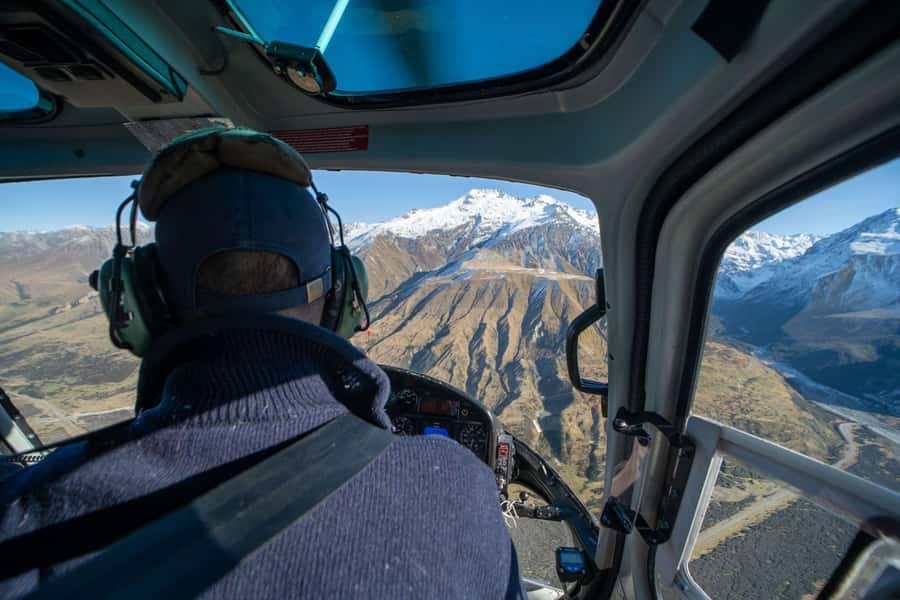
This tour works best when you can say yes to all three:
- A 7 km walk on uneven ground
- A comfort level with outdoor weather changes
- A desire for guided interpretation, not just sightseeing
It’s not suitable for people with mobility impairments, pre-existing medical conditions, or low level fitness, so be honest with yourself. If you’re on the edge, you’ll likely feel it.
One helpful option is mentioned: if you don’t wish to walk, a return flight from the landing site can be arranged for guests who do not want to walk. That can be a lifesaver for people who still want the helicopter experience but know the hiking part isn’t for them.
Also, your comfort with logistics matters here in a small way: you’ll need weather-appropriate clothing and proper hiking shoes.
Weather shifts and timing: build a little slack into your day
This is a weather dependent activity, and the provider can cancel the hike if helicopter or walking conditions aren’t safe. If that happens, you may transfer to another time-slot or day if space, weather, and itineraries allow.
So for your planning style:
- If your schedule is tight with zero flexibility, this activity carries more risk.
- If you’ve built breathing room around your Mount Cook region days, weather doesn’t feel like a disaster. It feels like part of the game here.
It’s also wise to keep your expectations aligned with the reality of mountain weather. You’re not just visiting an attraction. You’re stepping into an active environment.
Should you book this heli-hike?
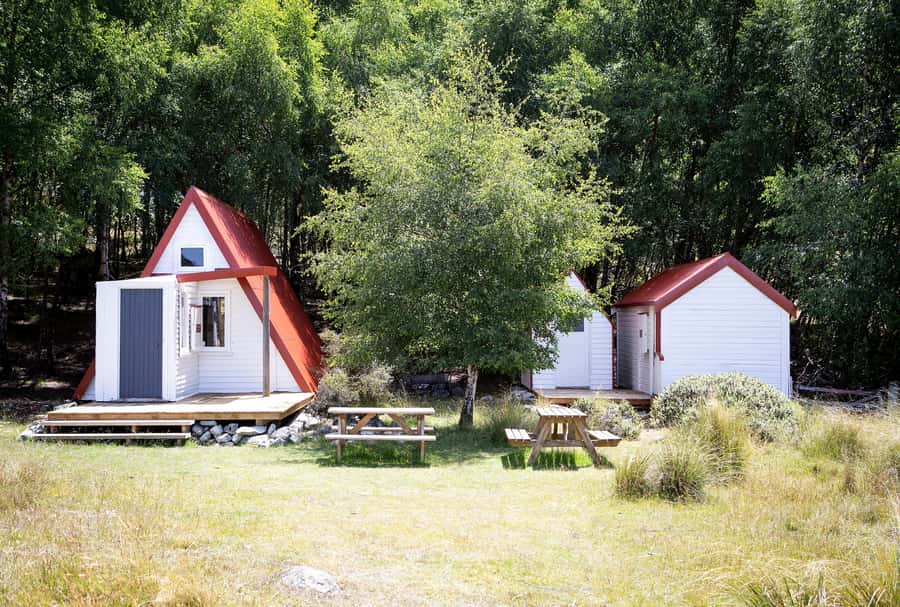
Book it if you want Aoraki Mount Cook to feel hands-on, not checkbox tourism. The combo of helicopter access, a guided 7 km walk, and restored field hut museum time is what makes this stand out as a full experience rather than a quick look.
Skip or reconsider if you’re worried about uneven ground, you have medical limitations, or you’d rather spend your time on flat, easy paths. You’ll enjoy the day more when you can focus on the scenery and the story instead of on discomfort.
If you do book, I’d choose this when you can travel with flexibility and come prepared for real outdoor walking. Then you’ll get what this tour does best: time in the air, time on the ground, and a sense of how people worked and lived in this high country.
FAQ
How long is the Mount Cook Glentanner High Country Heli Hike?
The tour duration is about 210 minutes (3.5 hours).
How far do you walk on this tour?
The walking distance is approximately seven kilometres and the route is on uneven ground.
What’s included in the price?
It includes a scenic helicopter flight, a guided hike, an alpine landing, access to the Historic Field Station museum and exhibition, snacks and drinks, and hiking poles.
What should I bring for the hike?
Bring weather-appropriate clothing and hiking shoes. Hiking poles are provided, but you can bring your own if you prefer.
Is the tour able to handle special diets?
The tour cannot cater to specialized dietary requirements. If you are on a restricted diet, bring your own snacks.
Is this activity suitable for mobility impairments or medical conditions?
No. It isn’t suitable for people with mobility impairments, pre-existing medical conditions, or low level fitness.