REVIEW · GRAND CANYON NATIONAL PARK
45-minute Helicopter Flight Over the Grand Canyon from Tusayan, Arizona
Book on Viator →Operated by Maverick Helicopters AZ · Bookable on Viator
Flying the Grand Canyon beats the bus every time. I love the smooth, steady ride and the panoramic windows that make the canyon feel right in your lap. One thing to weigh: it is pricey, and you do not get guaranteed seating next to your group.
This is a smart way to see more Grand Canyon in less time. You’ll fly out of the South Rim near Tusayan, skim over Kaibab National Forest’s huge ponderosa pine country, and then cross the Colorado River to experience the North Rim and the Canyon’s big inner sections.
You’ll want to plan for practical rules up front. Bring a government photo ID if you’re 18+, wear shoes, and accept that check-in assigns seats based on safety weight and balance (not where your party wants to sit).
In This Review
- Key points to know before you go
- Why this Tusayan-to-North-Rim route feels like value
- Inside the ECO-Star EC130: comfort, windows, and seat reality
- Kaibab National Forest and the first canyon edge drop
- The Colorado River, Painted Desert, and Desert View Watchtower
- Marble Canyon and Point Imperial: the North Rim’s high point
- The Dragon Corridor and the return over the South Rim
- Timing choices: sunset popularity vs midday clarity
- Getting there, checking in, and what to bring
- Who this helicopter flight suits best (and who should skip it)
- Quick pros and cons before you pay
- Should you book this 45-minute helicopter flight over the Grand Canyon?
Key points to know before you go
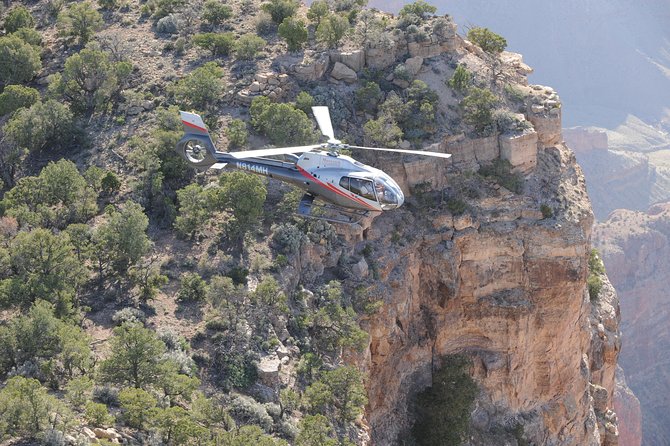
- South Rim to North Rim in 45 minutes means big views without a long road day
- Wraparound panoramic windows help you photograph the Canyon and the Colorado River bend
- Kaibab National Forest ponderosa pines add depth beyond the canyon walls
- Desert View Watchtower, Marble Canyon, Point Imperial show up from angles you can’t reach by car
- The Dragon Corridor is the dramatic wide-and-deep section on this route
Why this Tusayan-to-North-Rim route feels like value
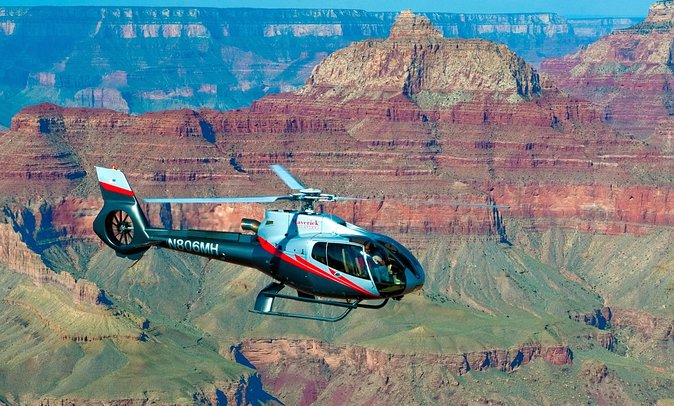
At $394.88 per person for about 45 minutes, this flight is not a budget move. But for the Grand Canyon, it can be the best value in the sense of time saved and views earned. One half-hour in a helicopter buys you perspectives that take a full day (or more) of driving, walking, and luck to stitch together from viewpoints.
I also like that the route has clear “wow” beats. You’re not just floating above a single overlook. You’ll see the South Rim drop away, then the North Rim open up, then you’ll follow the Colorado River and its key landmarks at a distance that lets you take in scale. The big payoff is how the Canyon changes as your flight line moves east and then back.
The other value angle is group size. This activity caps at 7 travelers, so you tend to feel less like a cattle call and more like a small group going for a once-in-a-lifetime ride.
The only real cost to consider is your flexibility. If the weather turns, helicopters can get delayed or canceled, and this is a flight that depends on good flying conditions.
You can also read our reviews of more tours and experiences in Grand Canyon National Park.
Inside the ECO-Star EC130: comfort, windows, and seat reality
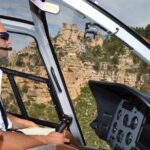
This is described as an ECO-Star helicopter experience with panoramic, wraparound windows. In practice, that matters a lot for photos and for how much you can see without leaning or playing window-geometry tricks. From the South Rim side of the cabin, you get a strong view over the canyon edge and into the big interior.
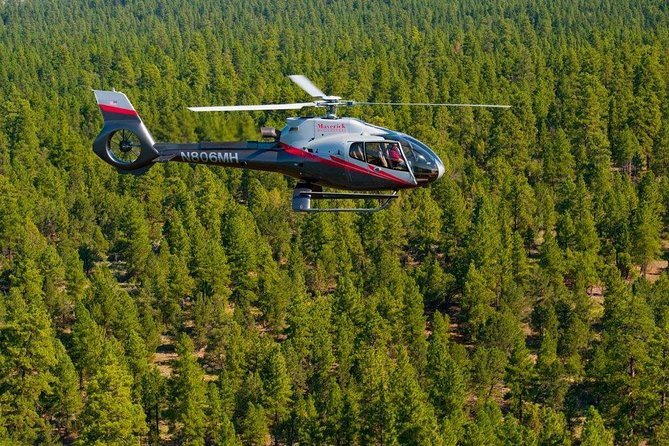
The aircraft used is an EC130 by Airbus Helicopters. Expect a modern cabin feel, and multiple riders specifically praised the smoothness of the flight and the overall helicopter condition. A few mentioned AC and comfort, and most leaned into the “I felt safe” theme—important for anyone who worries about flying low over steep terrain.
Here’s what you should not assume: you do not pick seats. Seating is assigned after check-in based on legal weight and balance limits. That also means Maverick does not guarantee you’ll sit next to your travel partner or in the same row.
Two more practical points:
- There is a 275 lb per passenger limit. If you’re over, you may need to purchase an additional seat on the day (payable directly to the operator).
- Pilots cannot assist with boarding or disembarking due to insurance rules, so plan on moving on your own.
If you’re sensitive to noise, you’ll still be dealing with rotor sound. The good news: many riders noted headset setup for listening to pilot narration, and some flights even include music through the headset.
Kaibab National Forest and the first canyon edge drop
Your flight starts in Tusayan, Arizona, departing from Maverick Helicopters at 107 Corsair Dr, Grand Canyon Village, AZ 86023. From there, you’ll rise and head toward the Canyon with big windows on hand.
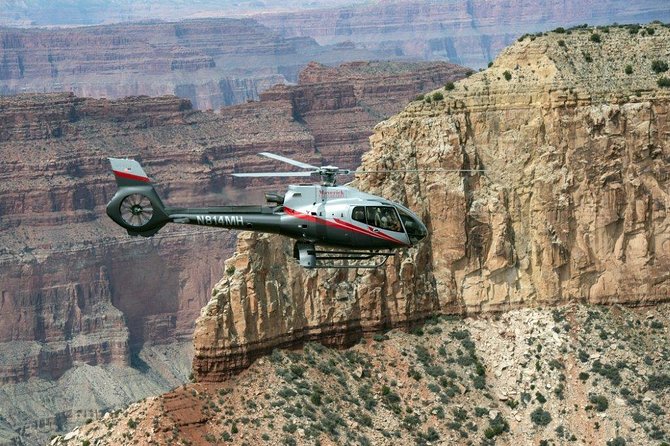
One of the smartest parts of the route is the Kaibab National Forest segment. You’ll fly over about 1.6 million acres of forest—bordering both rims—with the focus on the world’s largest ponderosa pines. From the air, those trees don’t just look like a backdrop. They help you understand how the canyon country transitions from dense forest edges to exposed rock inside the gorge.
Then comes that first “oh wow” moment: the South Rim edge drops away. You’ll see the North Rim and the east end of the canyon come into view. This is one of the best times to stop thinking in terms of sightseeing stops and start thinking in terms of scale—because you’re looking at a geologic system that stretches far beyond where road pull-offs can take you.
Photo tip: don’t chase a single perfect shot immediately. Let the view “settle” as your aircraft line turns, then take a burst of photos once the Canyon opens up. The cabin layout helps, but your best angles still come when you’ve got clear sightlines across the window.
The Colorado River, Painted Desert, and Desert View Watchtower
After reaching the canyon edge, the flight follows the Colorado River upstream at a distance that sets your sense of scale. The narration typically ties landmarks to what you’re seeing, and many riders highlighted how informative their pilot was while staying professional and calm.
As you track the river, you’ll pass over the Painted Desert area, described here as 146 square miles. From the air, “painted” makes sense because you can see layered color shifts more clearly than you can from most roadside overlooks. It also helps you appreciate why the Grand Canyon isn’t one uniform color. Even when it looks similar from one viewpoint, a helicopter path reveals how tones change along the terrain.
You’ll also spot the Desert View Watchtower, a 70-foot National Historic Landmark. From the air, it reads like a scale marker: a human-size structure hovering over a vast system. You’ll fly past in a way that lets you see the tower’s placement and how it relates to eastern portions of the Canyon.
One small caution. A couple riders pointed out that a provided map may not match the exact path flown. That’s not unusual in flight operations, and it’s usually fixable mentally: use the views first, and treat any printed map as secondary.
Marble Canyon and Point Imperial: the North Rim’s high point
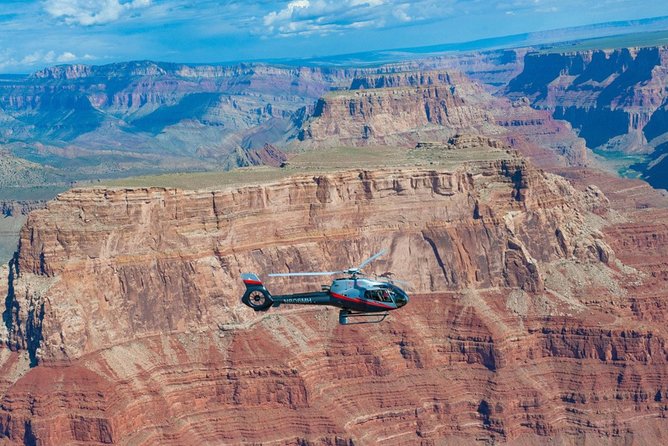
Next, you’ll see Marble Canyon, the section of the Colorado River described as marking the beginning of the Grand Canyon. This portion matters because it connects the story. Road viewpoints can make the Canyon feel like one continuous drop. From the air, you can see how river segments and canyon beginnings relate to the bigger system you came to photograph.
Then you’ll head toward Point Imperial, identified as the highest point on the North Rim at 8,803 feet (2,683 meters). Again, it’s about perspective. You’re not just looking at a cliff; you’re looking at a high edge that lets the Canyon spread out below.
Point Imperial also overlooks the Painted Desert and the eastern end of Grand Canyon. From the helicopter, that “high vantage” effect is immediate. The North Rim doesn’t feel like a distant postcard. It feels like part of the same frame you’re already photographing.
If you’re planning your trip for the biggest emotional impact, this middle portion is often where the flight moves from impressive to unforgettable.
The Dragon Corridor and the return over the South Rim
This flight includes a pass through the Dragon Corridor, described here as the widest and deepest section of the Grand Canyon. That phrase matters because the Canyon changes as you move. Wider and deeper isn’t just marketing language—it changes how the walls look, how the river curves, and how quickly your brain reads depth.
When you fly through a section like this, you start understanding why the Grand Canyon is hard to grasp on the ground. The “distance” is not just longer. The geometry shifts in a way your eyes can measure—steep walls, long drop-offs, and a river thread far below.
After that, you cross back over the Colorado River and fly over the South Rim and the Kaibab National Forest to land. The return is a chance to reset your photos for the last angles, especially for anyone who got caught staring instead of shooting.
Timing choices: sunset popularity vs midday clarity
You can choose from many departure times, and the time of day genuinely changes what you’ll notice.
- Sunset flights are the most popular option. The light can soften rock texture and bring out color shifts. This is the time people usually want for that classic “orange glow” effect.
- Midday flights tend to offer detailed visibility of canyon walls. If you want crisp rock definition for photos, midday can work well.
- Early morning flights are popular in summer because the canyon area can be cooler then.
My advice: pick based on your priorities, not on what sounds romantic. If your priority is photo clarity, go midday. If your priority is mood, go sunset. And if you can only do one time slot, choose the one that reduces stress for the rest of your day.
Also, remember that the operation requires good weather. Even if you book the perfect time, Mother Nature can still rewrite the plan.
Getting there, checking in, and what to bring
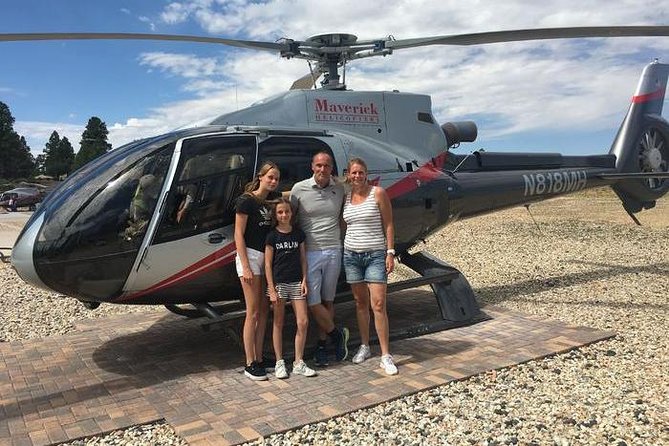
This is a no-hotel-pickup kind of tour. You’ll drive yourself to the Maverick Helicopters location in Grand Canyon Village near Tusayan. There is no-cost parking at the terminal for self-drive customers.
Plan your check-in around FAA rules:
- If you’re 18+, bring original government-issued photo ID (digital IDs and photocopies are not accepted).
- Photo ID matters enough that arriving without the proper ID can mean denial of check-in and no refunds.
You should also dress smart for a helicopter. Wear comfortable clothing and shoes. Bring sunglasses and plan on camera time because this route is built for photos.
On board, only bottled water is permitted. If you’re prone to snack cravings, check whether you want to grab food beforehand. The operator notes that snacks may be available at the terminal on some options.
One more small point: service animals are not permitted on these helicopter flights, based on the provided rules.
Who this helicopter flight suits best (and who should skip it)
This flight fits best for people who want maximum Grand Canyon per minute. It’s a great match if you:
- want a “first time” Grand Canyon experience without committing an entire day to driving and hiking
- like photography but don’t want to chase multiple viewpoints
- enjoy a small-group experience with a professional pilot and headset narration
It can also work well for older adults who find long walks tough. Several riders specifically described comfort for older couples, and many said the ride felt smooth and reassuring.
Skip it (or at least think twice) if you:
- strongly dislike the idea of being assigned seats and not sitting next to your exact group
- are near the 275 lb limit and don’t want the risk of being asked to buy another seat
- want a totally flexible schedule with no weather sensitivity
Quick pros and cons before you pay
Pros
- Panoramic windows make the views feel big and photo-friendly
- You see both rims, the Colorado River, and key landmarks in one route
- Multiple flights are described as smooth and professionally run, with pilots keeping things calm and informative
- Small group size (max 7) helps the experience feel more direct
Considerations
- Price is premium, and you’re paying for speed and access
- Seat assignment is based on weight and balance, not where you want to sit
- If you’re expecting a guaranteed perfect audio level, note that a few riders said pilot audio was hard to hear
- Weather can affect flying plans, since this is a good-weather-dependent activity
Should you book this 45-minute helicopter flight over the Grand Canyon?
If your time is limited and you want the Canyon from the air without a full-day commitment, this is an easy “yes.” The combination of South Rim to North Rim coverage plus the Dragon Corridor pass hits the main Grand Canyon fantasy, and the 45-minute format keeps it from turning into a logistics headache.
Book it if you value comfort, modern helicopter windows, and a pilot-led tour with headset narration. And book it sooner rather than later since this route is popular and is often scheduled about a month in advance.
You should hold off if your budget is tight, you absolutely need guaranteed seating together, or you’d rather spend money on park hotels and viewpoints where you can control your pacing. In those cases, ground time may feel more satisfying.
If you do book, the best move is simple: arrive with your ID, wear shoes, and bring a camera mindset. Then let the views do the talking.