REVIEW · CANTERBURY NEW ZEALAND
Canterbury: Mount Aorak/Cook Sightseeing Helicopter Flight
Book on GetYourGuide →Operated by Southern Lakes Helicopters · Bookable on GetYourGuide
Mount Cook from a helicopter is a different kind of wow. I love the up-close aerial views of Aoraki/Mt Cook and the chance to land in an alpine spot, not just fly past. The main drawback to plan around is that all flights are weather dependent, so clouds can change timing or even cancel a run.
You’ll start at Mount Cook Airport, check in with Southern Lakes Helicopters, and get a safety briefing before the takeoff toward the Southern Alps. After about 30 minutes in the air, you’ll head back to the airport—having spent that time over the highest peak in New Zealand and the dramatic icebergs near the Tasman Terminal Lake.
In This Review
- Key things to know before you go
- Entering The Mountain World: Why This 30-Minute Flight Feels Longer
- Getting To Mount Cook Airport And Getting Sorted Quickly
- Before Takeoff: How The Safety Briefing Changes Your Mindset
- Aoraki/Mt Cook From Above: Seeing The Highest Peak Like A Pro
- The Alpine Landing: The Moment Photos Can’t Replace
- Tasman Terminal Lake Icebergs: The Photo Stop That Works
- What The Pilot Commentary Adds (And When It Doesn’t)
- Price and Value: Why $230 Can Still Feel Fair
- Timing, Weather, And The Real Odds Of Getting Your Moment
- What To Wear And Bring For Comfort In The Alpine Air
- Who This Helicopter Flight Is For (And Who Might Re-think It)
- Should You Book Canterbury: Mount Aoraki/Cook Sightseeing Helicopter Flight?
- FAQ
- How long is the helicopter flight?
- Where do I check in for the tour?
- What is included in the price?
- Is hotel pickup and drop-off included?
- Is the flight dependent on weather?
- Are drones or selfie sticks allowed?
- What should I bring for the flight?
- Is the tour wheelchair accessible?
- What’s the cancellation window?
Key things to know before you go
- 30 minutes, maximum scenery: It’s short by design, so the flight time is focused on prime Southern Alps views.
- In-flight commentary is part of the value: Your pilot talks you through what you’re seeing around Aoraki/Mt Cook National Park.
- An alpine landing is the memorable moment: You’ll actually touch down and soak in the mountain air before flying onward.
- Tasman Terminal Lake icebergs from above: You’ll fly over the iceberg area during the scenic loop.
- Weather can reshuffle plans fast: Even with a booked time, cloud cover can delay or cancel flights.
Entering The Mountain World: Why This 30-Minute Flight Feels Longer
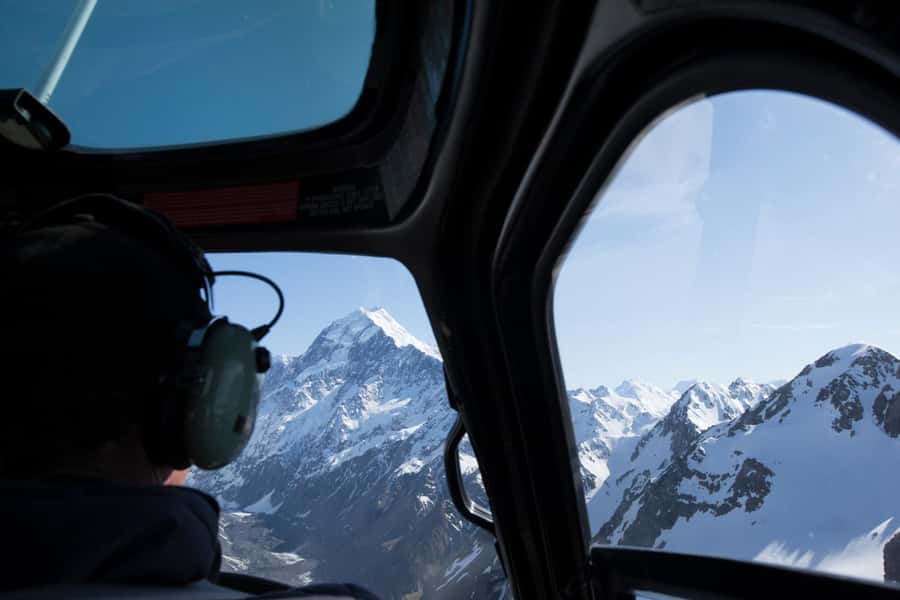
This flight is built for people who want a big hit of mountains without spending a full day getting there and back. When you’re hovering above the Southern Alps, scale becomes instantly clear. From the ground, Mt Cook is impressive but distant; from the air, the terrain reads like a 3D map.
I also like that the experience is structured around three “wow” images you can actually keep straight:
Aoraki/Mt Cook overhead, a real landing in alpine terrain, and the Tasman Terminal Lake icebergs during the return loop. Even though the whole thing is only 30 minutes, it’s not random flying. It’s scenic time with a purpose.
One more note: you’re not just paying for the aircraft. You’re paying for access—clear lines of sight, the ability to land up high, and pilot-led interpretation of the national park scenery you’d struggle to replicate on foot.
You can also read our reviews of more tours and experiences in Canterbury New Zealand.
Getting To Mount Cook Airport And Getting Sorted Quickly
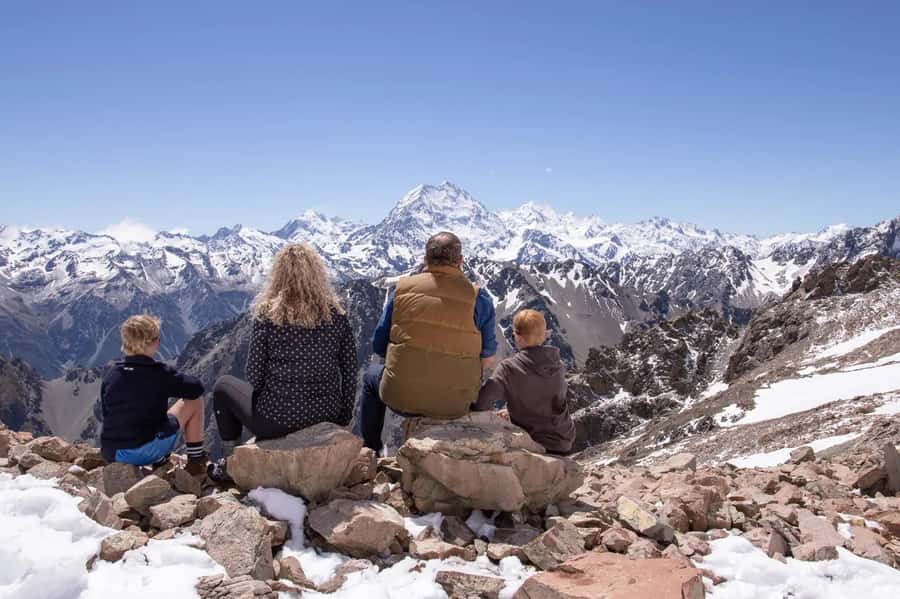
Your tour begins at Mount Cook Airport. You check in with Southern Lakes Helicopters, then you get a full safety briefing before takeoff. That matters more than it sounds. Helicopters fly differently than planes—especially near mountainous terrain—so a good briefing helps you relax and enjoy the ride instead of wondering what’s happening.
You should also plan on dressing for conditions, not for comfort at sea level. The right gear makes the landing far more pleasant because you’ll want to stand still, look around, and take photos. Warm layers are key, along with comfortable shoes and sunglasses.
A small practical point: you’ll be in a shared flight setup. That usually means you won’t have total control over who you sit near or how everyone moves for photos, so keeping your camera ready and your expectations flexible is smart.
Before Takeoff: How The Safety Briefing Changes Your Mindset
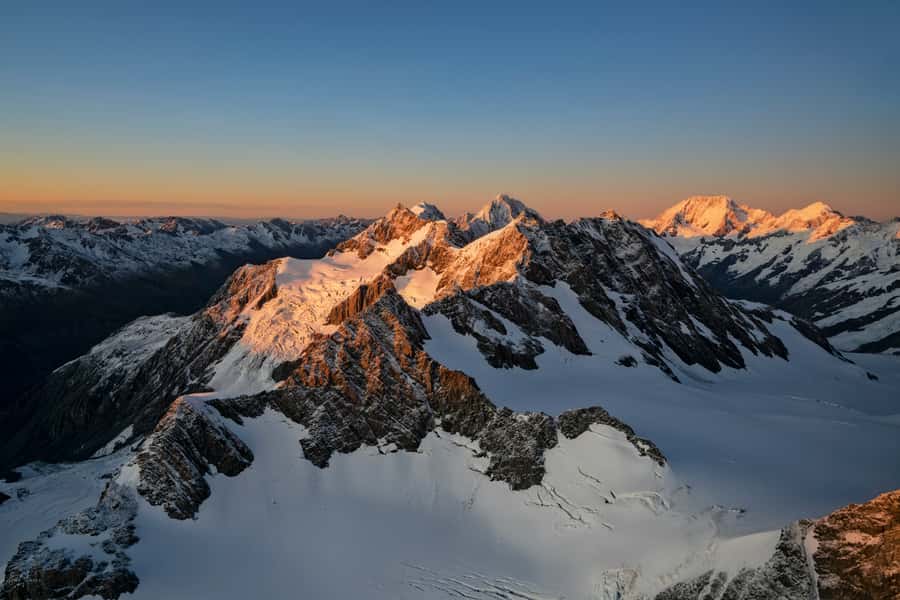
This is one of those tours where the safety briefing isn’t just paperwork. The experience is short, and you’ll want to spend your energy on scenery, not worry.
The best part is that you’re flying with a well-maintained craft, and the flight plan includes clear safety guidance. In one account of a flight experience, the rider was understandably nervous as turbulence kicked in near Mt Cook, but they still reported a terrific landing and great viewing once everything stabilized. That’s a good reminder: occasional bumps can happen around mountains, but the operation is designed to keep you safe and on track.
If you’re sensitive to noise, take note of a real-world detail: one passenger said the headset was noisy enough that they couldn’t hear part of the pilot introduction. If you’re relying on the commentary, ask early if you can get headset volume adjusted comfortably.
Aoraki/Mt Cook From Above: Seeing The Highest Peak Like A Pro
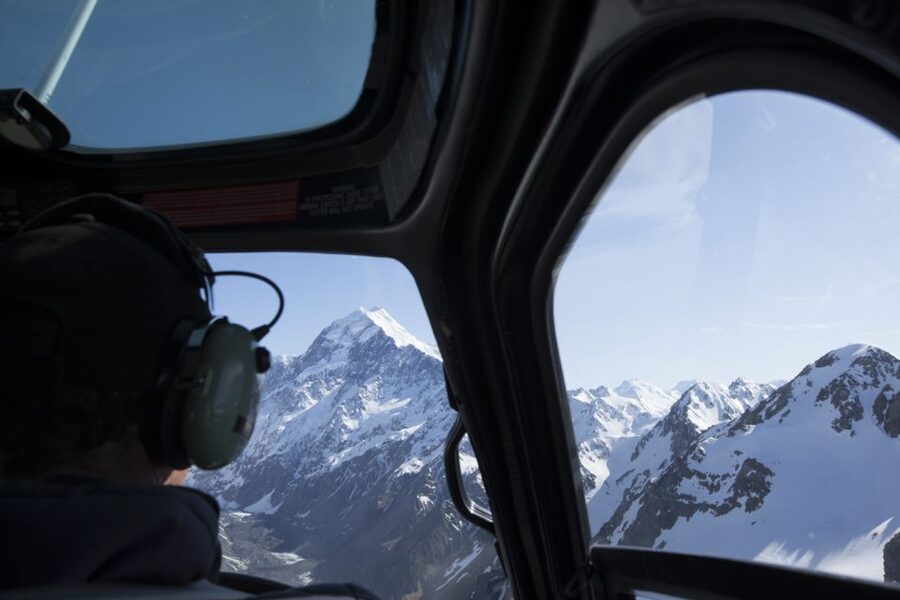
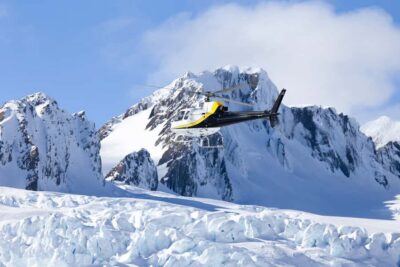
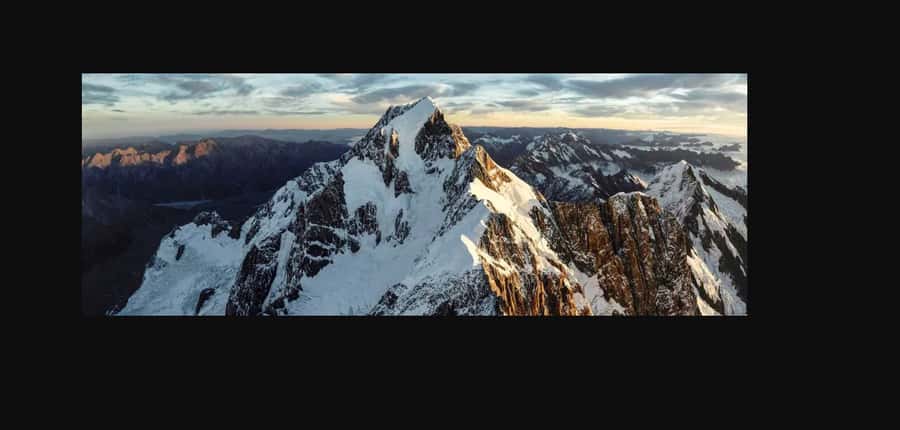
Aoraki/Mt Cook is New Zealand’s highest peak, and from the air it’s the obvious star of the show. Your flight is timed so you’ll enjoy aerial views of Mt Cook as the helicopter heads through the Southern Alps region.
What you’ll appreciate most is how quickly your brain connects shapes to meaning. Ice and snow fields look like patterns rather than smears. Ridges and gullies become distinct. The mountain stops being a single point on the map and turns into a whole system of peaks and slopes.
Your pilot’s in-flight commentary adds an extra layer. You’re not just looking; you’re learning what you’re seeing around Aoraki/Mt Cook National Park. That makes the photos better later, too. You’ll remember what the angles meant, not just that it looked snowy.
If you’re someone who likes to understand places, this part is where the helicopter flight beats a simple viewpoint. You get motion plus context.
The Alpine Landing: The Moment Photos Can’t Replace
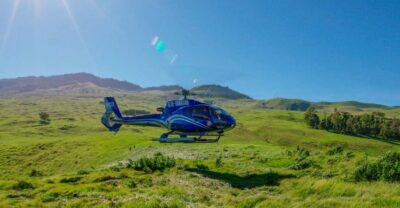
The helicopter landing is the part I’d recommend you treat like the main event. The experience includes time to step out in an alpine location and take in the crisp air—short, but real.
Why landing makes such a difference: it changes your relationship to scale and weather. Up in the mountains, the air and light feel sharper. Even if the ground stop is brief, you’ll get that sensory snap—cold air, wind direction, the sound of the blades—before you head back up.
It also helps break up the flight into something more than a sightseeing loop. You’re not only viewing; you’re participating.
One caution based on real experience: this tour can involve helicopter movement near the peaks, and some people notice turbulence. If you’re prone to motion sickness, have a plan (bring your usual remedy, sit where you can look ahead, and tell yourself you’re in the safe hands of the pilot). The upside is that landing is typically where people calm down and focus on the view.
If you want the most dramatic version of this moment, ask about landing upgrades. One passenger specifically noted an upgrade that resulted in a landing at a glacier, which they considered worth it.
Tasman Terminal Lake Icebergs: The Photo Stop That Works
After the Mt Cook views and the alpine landing, you’ll fly over the Tasman Terminal Lake with its icebergs. This is one of those landscapes that’s easy to miss from roads and trailheads, but from above it reads clearly: chunks of ice floating in a glacial setting.
From a photography perspective, the helicopter angle helps. You’re not stuck shooting only from a fixed viewpoint; you’re getting shifting angles that show the size differences between bergs. Even if you’re not a serious photographer, this is a place where your camera will actually find subjects.
A practical note: because you’re in the air and the helicopter is moving, you’ll want to keep your settings simple. Bring a camera you know, not one you’re trying to learn on the fly. Sunglasses also help because glare can be intense.
What The Pilot Commentary Adds (And When It Doesn’t)
The tour includes pilot commentary in English. That’s a big part of why this flight is more than just a ride.
When it works best, it turns what you’re seeing into something you can picture later: where the views sit relative to the national park, and what makes the glacial and alpine features distinctive.
When it doesn’t work perfectly, it’s often due to audio issues. One passenger reported that the headset was noisy enough they couldn’t hear the pilot introduction clearly. It doesn’t mean the commentary is absent—just that audio quality can vary. If you care about every word, I’d treat it as secondary to the visuals and still prioritize taking in the scenery.
Price and Value: Why $230 Can Still Feel Fair
At around $230 per person for a 30-minute helicopter flight, you’re paying for a premium form of access. You’re not buying time for sleeping, waiting, or long ground transfers; you’re buying flight time over the highest peak and a landing experience.
Here’s how I think about the value:
- You get multiple highlight elements in one short window: Mt Cook views, alpine landing, and Tasman Terminal Lake icebergs.
- You get pilot guidance instead of silence and guessing.
- You’re visiting a remote area efficiently, without needing to hike for that same aerial perspective.
The big variable is weather. Because flights are weather dependent, sometimes the “best day” wins and sometimes you’ll need schedule flexibility. That’s why the option to reserve and pay later can be a smart fit—it helps you keep the trip aligned with what the day allows.
If you’re the type who hates paying extra for experiences that might get canceled, this is where you need to be honest with your own flexibility level. If you can roll with timing changes, the price becomes easier to justify.
Timing, Weather, And The Real Odds Of Getting Your Moment
This is the heart of managing expectations. All flights are weather dependent, and cloud cover can affect whether you fly at your planned time.
One passenger had their morning flight canceled due to cloud cover. Then they decided to try again later, and they were rebooked for the next available slot at 3pm. That kind of rescheduling isn’t a small detail—it can turn a disappointing situation into a memorable one, especially if the provider is quick and organized.
The tone from that experience matters: the check-in staff member Cain was praised for helping make a workable plan. That tells you something practical: if weather changes your day, you’ll want staff who can respond quickly.
So here’s my advice: treat this as a priority experience when you have time buffers in the Mt Cook area. If you’ve booked tightly scheduled transport and lodging far away, you’ll feel the friction more.
What To Wear And Bring For Comfort In The Alpine Air
This tour gives you a list for a reason. You’ll be in cold conditions around the Southern Alps and you’ll likely want to step out during the alpine landing.
Bring:
- Warm clothing
- Comfortable shoes
- Sunglasses
- Camera
- Sunscreen
If you forget something minor like sunglasses, you’ll still go. But if you underpack warmth, the landing becomes less enjoyable than it should be.
Also note what’s not allowed:
- Drones
- Selfie sticks
It’s not meant to rain on your photo style—it’s about safety and aircraft operation in a tight environment.
Who This Helicopter Flight Is For (And Who Might Re-think It)
You’ll likely love this flight if:
- You want the fastest route to Mt Cook and glacial views.
- You enjoy guided interpretation via English pilot commentary.
- You want a short, high-impact experience rather than a long excursion.
- You’re excited by the idea of actually landing in the mountains.
You might hesitate if:
- You’re unable to adjust plans when weather changes timing.
- You get very uncomfortable with movement or noise. Turbulence near Mt Cook has been reported, and headset noise can be an issue for some.
If you’re traveling with limited mobility, this is a bright spot: it’s listed as wheelchair accessible. One passenger using crutches specifically described getting a lot of cheerful help climbing in and out, which suggests the team takes the practical side seriously.
Should You Book Canterbury: Mount Aoraki/Cook Sightseeing Helicopter Flight?
I’d book it if your priority is seeing the Southern Alps in a way that ground travel can’t match, and you can handle weather being part of the deal. The combination of Mt Cook aerial views, an alpine landing, and the Tasman Terminal Lake icebergs overflight makes the 30 minutes feel like a curated highlights reel instead of a random scenic ride.
Skip it (or at least think carefully) if you’re locked into inflexible schedules. Weather can shift flights, and while the provider may be able to rearrange timing, you still need enough room in your travel day to accept changes.
If you decide to go, do it with a simple game plan: dress for cold, keep your camera ready, and treat the landing as your main target. That’s the moment that turns a helicopter tour from a nice view into a story you’ll keep telling.
FAQ
How long is the helicopter flight?
The flight lasts 30 minutes.
Where do I check in for the tour?
You check in with Southern Lakes Helicopters at Mount Cook Airport.
What is included in the price?
The tour includes the 30-minute helicopter flight, a pilot, in-flight commentary, and a full safety briefing.
Is hotel pickup and drop-off included?
No, hotel pickup and drop-off are not included.
Is the flight dependent on weather?
Yes. All flights are weather dependent.
Are drones or selfie sticks allowed?
No. Drones and selfie sticks are not allowed.
What should I bring for the flight?
Bring comfortable shoes, warm clothing, sunglasses, a camera, and sunscreen.
Is the tour wheelchair accessible?
Yes, it’s listed as wheelchair accessible.
What’s the cancellation window?
You can cancel up to 24 hours in advance for a full refund.