REVIEW · FRANZ JOSEF TOWN
Franz Josef: Glacier Helicopter Ride with Snow Landing
Book on GetYourGuide →Operated by HeliServices.NZ Fox Franz Haast · Bookable on GetYourGuide
Ice under your boots, then the sky. This Franz Josef Glacier helicopter ride stands out because you get an actual snow landing on the ice, plus a pilot-led headset commentary as you fly over crevasses and ice pinnacles. My only caution: departures, routes, and the landing site depend on safe weather, so you’ll want to stay flexible.
The core payoff is the view. In about 20 minutes you’ll rise into the Southern Alps and look down at the glacier’s detail up close from above, with the chance for great photos during the snow time. One more thing to keep in mind: this is a short flight, so you should go in ready to enjoy the moment fast, not linger.
Logistics are simple and friendly. You board at the local partner’s base in Franz Josef (no hotel pickup), it’s a small group capped at 10, and it’s wheelchair accessible. If you’re nervous about flying, the staff approach matters, and this one has a strong track record for making people feel comfortable.
In This Review
- Key highlights that make this helicopter ride worth it
- What a snow landing changes about Franz Josef Glacier
- From the Franz Josef base into the Southern Alps
- A note on route variety
- The snow landing: what it feels like and why it’s so memorable
- Practical photo tips (based on what the experience is built for)
- The views you should expect: pinnacles, crevasses, and big peaks
- Headsets, small group size, and the comfort factor
- Duration and pace: can you really do all this in 20 minutes?
- Value check: how $203 fits what you get
- Weather, safety, and why flexibility matters here
- Who should book this helicopter ride, and who might skip it
- Should you book the Franz Josef Glacier Helicopter Ride with Snow Landing?
- FAQ
- How long is the Franz Josef helicopter ride with snow landing?
- Where do I board, and is hotel pickup included?
- What’s included during the flight?
- Do I land on the glacier, or just view it from the air?
- Is the tour wheelchair accessible?
- How many people are in the group?
- What are the rules for infants?
- Can weather affect the flight route or landing?
Key highlights that make this helicopter ride worth it
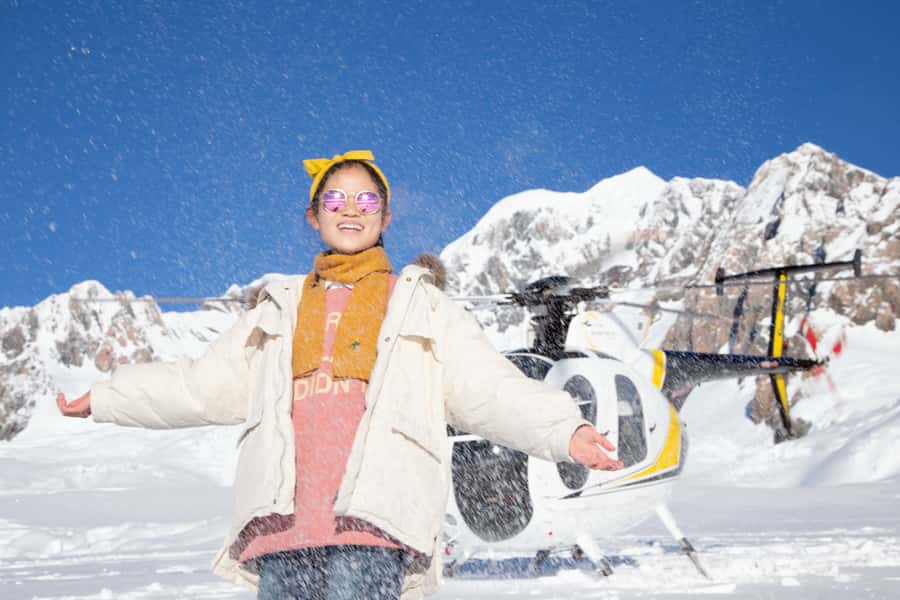
- Snow landing on Franz Josef Glacier: step onto the snowy surface for photos and a memorable walkaround window
- Views from above: crevasses and ice pinnacles are the stars when you’re flying over the glacier
- Southern Alps mountain drama: expect sweeping sightlines into New Zealand’s highest mountain range
- Headset commentary all the way: you’ll hear a running explanation from your pilot during the flight
- Big-name peak spotting: pilots and guides point out Mount Cook and Mount Tasman when conditions allow
- Weather-driven flexibility: the experience is subject to safe and suitable conditions at the pilot’s discretion
What a snow landing changes about Franz Josef Glacier
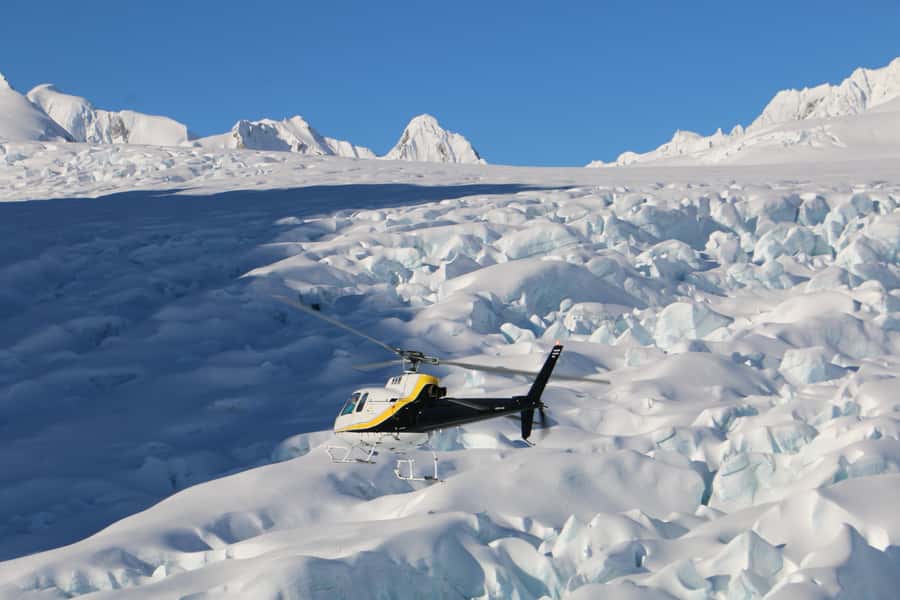
Most glacier tours show you ice from the outside. This one lets you go from watching to stepping onto it. That shift matters, because you get a better sense of scale and texture when you’re actually on snow-covered ice rather than just looking across it.
From the air, the glacier looks like a different world. Ice pinnacles and crevasses can be hard to grasp on the ground, but from above they read clearly as shapes and lines. I like that this tour focuses on what you can’t easily replicate another way: the bird’s-eye perspective, then the quick but real transition to being on the surface.
The second thing I really like is how much time you get for photos and just taking it in. It’s not an impulse stop where you’re rushed through. Once you land, you’re given enough time to enjoy the snowy surroundings, get your camera working, and soak up the fact that you’re standing in a remote West Coast mountain pocket that feels very far from everything else.
You can also read our reviews of more tours and experiences in Franz Josef Town.
From the Franz Josef base into the Southern Alps
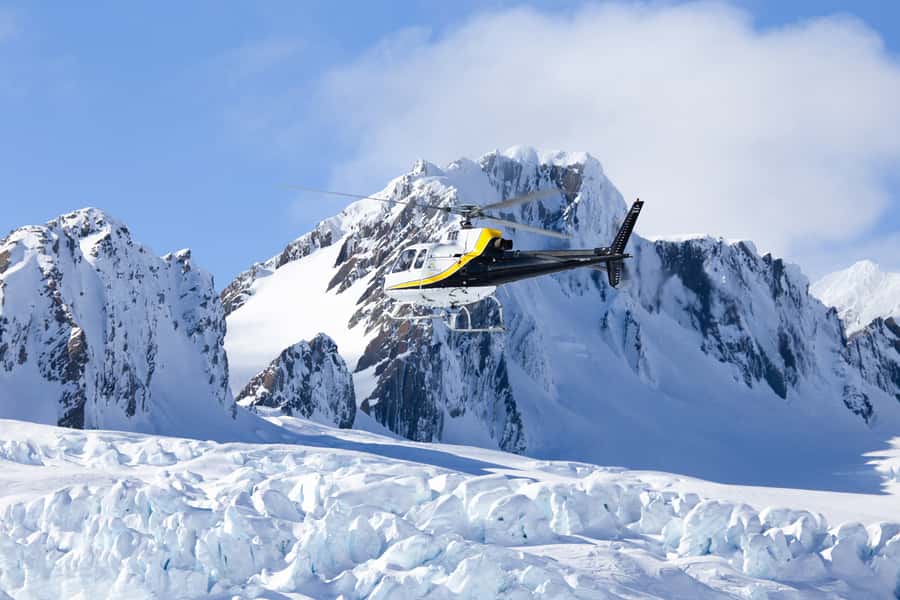
The tour starts with a straightforward check-in at the local partner’s base in Franz Josef. From there, you climb into the air, heading toward the Southern Alps. Even though the total time is only 20 minutes, the flight gives you a full “up, look around, then land” arc.
During the ascent, you’re flying toward a zone with big mountain views. This matters because you’re not just touring one glacier feature. You’re also getting sightlines into the Southern Alps, which is where the glacier feels like part of a larger high-country system.
As you approach the glacier, you pass over the ice pinnacles and crevasses. That’s the visual moment most people remember: the way the glacier’s surface breaks into patterns when you’re above it. It also helps for photos because you can change angles quickly from the air, then translate that into shots during the landing time.
A note on route variety
Flight routes and the snow landing are subject to safe weather conditions and the pilot’s discretion. That’s not a downside so much as how this activity stays responsible in a place where visibility and ice conditions can change fast. On clear days, the glacier detail can look extra crisp.
The snow landing: what it feels like and why it’s so memorable
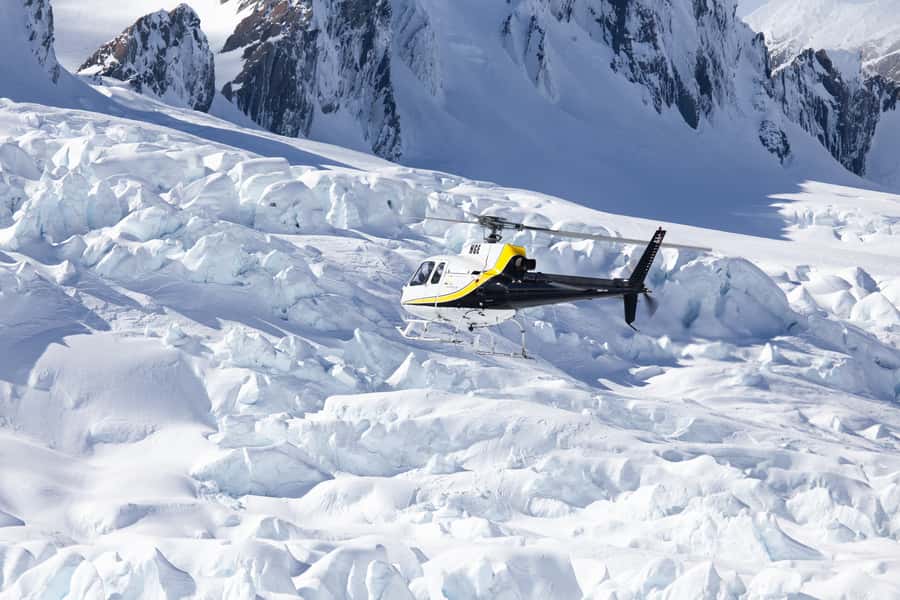
Here’s the real headline: you arrive at a snow landing site and take your first steps onto the snowy surface. That moment is simple but powerful. It’s a rare feeling to walk on snow that sits on top of one of New Zealand’s most famous glaciers.
The tour gives you time after landing to take photos and absorb the setting. People often talk about being surprised by how much snow there is and how deep it feels underfoot, even though this is a glacier environment rather than a ski resort. If you’ve only ever seen snow as a winter sport backdrop, this is the version where the terrain is rugged and the scale is huge.
You’ll also notice how small you feel in the West Coast mountains. The glacier and surrounding peaks dwarf you quickly once you’re on the ground. That’s part of what makes the experience stick: you’re not just looking at ice, you’re surrounded by it.
Practical photo tips (based on what the experience is built for)
- Bring your camera strap or a secure way to hold your phone. The ride involves vibration and quick movement as you board and exit.
- Plan for short bursts of shooting. The snow time is enough to do photos, but it’s not a long hike.
- If you care about wide shots, try to switch between angles fast on landing while you still get clear views of the glacier and mountains around you.
The views you should expect: pinnacles, crevasses, and big peaks
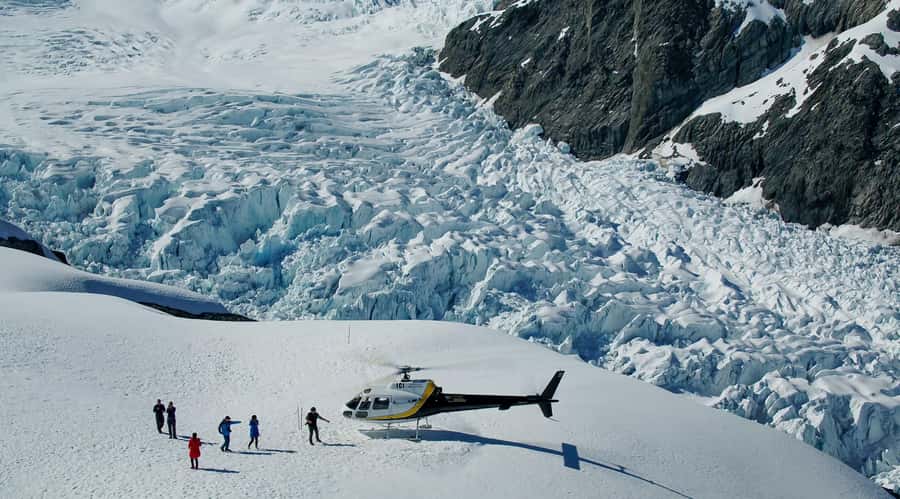
This is a flight built around glacier detail and mountain sightlines. You’ll pass over crevasses and ice pinnacles on the way in and out, which means you’re seeing the glacier from above twice: once before landing and again as you descend.
What’s especially helpful is the inclusion of headsets and a running commentary. Your pilot is not just flying; they’re talking. They’ll point out areas of interest, and that narration turns the trip from pretty to understandable. You catch what you’re looking at and why it matters.
Your pilot and guides can also point out Mount Cook and Mount Tasman. Those names are big for a reason, and even if you don’t see them perfectly in every weather window, the key value is that you’re trying to match what you’re seeing with New Zealand’s highest peaks.
Headsets, small group size, and the comfort factor
This tour is limited to 10 participants, which makes a difference. Smaller groups usually mean less crowding at the base and easier flow as you board and get seated. It also makes the experience feel more personal, since the pilot’s commentary is directed at your group without it becoming chaotic.
English-language live commentary is included, and the headsets are designed so you can follow along throughout the flight. That running explanation is one of the most praised parts of the experience because it helps you look at the glacier rather than just stare out the window.
If you’re nervous about helicopters, don’t assume it has to be a rough experience. The overall approach from the staff seems geared toward comfort, including for people who feel uneasy at first. In short: this is not the kind of activity where you’re thrown in cold and left to figure it out alone.
Duration and pace: can you really do all this in 20 minutes?
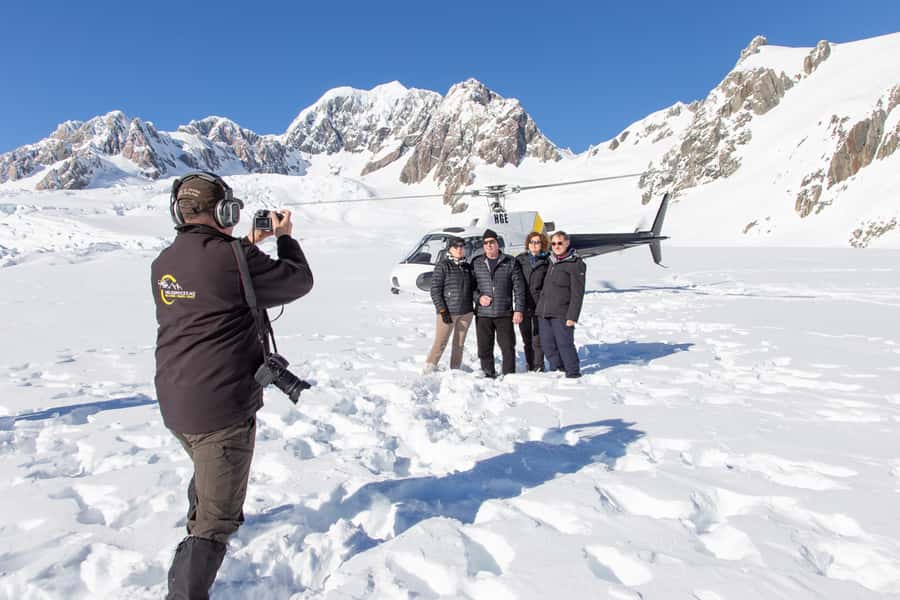
Yes, because the structure is efficient. You don’t spend the day driving from one viewpoint to another. You trade time on the ground for time in the air and a concentrated landing window.
Here’s the pace logic:
- Short flight in: you get the big view moments quickly
- Glacier pass: you see the crevasses and ice pinnacles from above
- Snow landing: you get a photo and walkaround window
- Return flight: you see the glacier again as you descend and get safe landing back at base
The benefit for you is focus. You’re not trying to squeeze a dozen stops into one day. You’re doing a single, high-impact activity with a clean start and finish.
A possible drawback is exactly that focus: if you’re hoping for a long, lingering experience on the glacier, this isn’t it. The upside is that it’s the right length for staying fresh, photographing, and leaving the mountain area without losing your whole day.
Value check: how $203 fits what you get
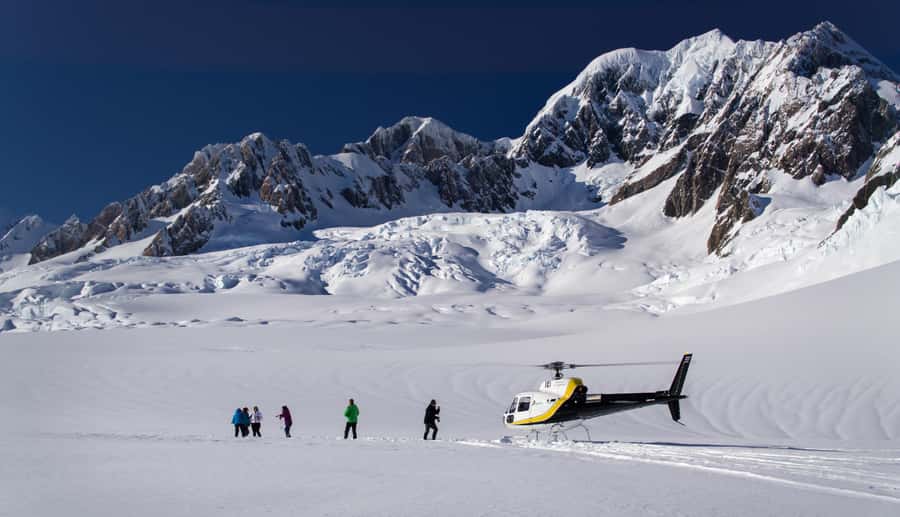
At $203 per person for about 20 minutes, this isn’t a budget activity. But it also isn’t just a sightseeing flight. You’re paying for three expensive ingredients:
- Helicopter access in glacier country
- A controlled snow landing on the glacier
- In-flight storytelling via headsets and pilot commentary
If you’re choosing between a glacier viewpoint tour and this helicopter landing, I’d frame the decision like this: are you buying altitude and a landing, or are you buying a longer time on the ground? If your priority is a once-in-a-lifetime experience you can actually walk onto, the price starts to make sense.
Also, the group size and headset setup add value. You’re not paying just for the aircraft; you’re also paying for the guided aspect that helps you understand what you’re seeing, plus the smaller-group experience.
One more value signal: it has a high satisfaction record, with a 4.9 rating from 106 reviews and about 90% of reviewers giving a perfect score. That doesn’t replace your own judgment, but it’s a strong indicator the experience consistently lands the moment people came for.
Weather, safety, and why flexibility matters here
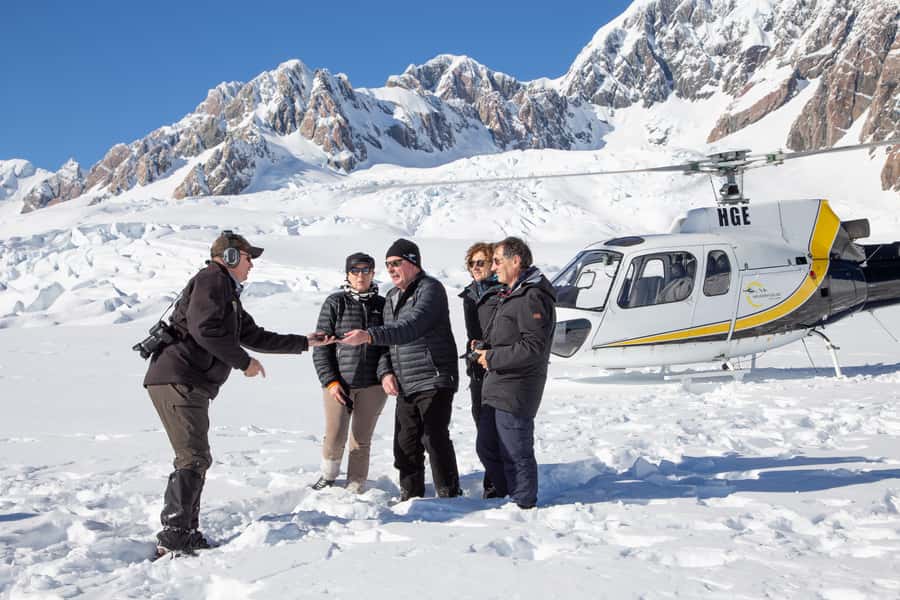
This activity runs on weather. Flight departures, flight routes, and the snow landing are subject to safe and suitable conditions and the pilot’s discretion.
So here’s the practical mindset to have:
- Clear skies help with visibility of the glacier detail and mountain peaks.
- Cloud cover can limit what you can see, even if you still fly.
- The pilot may adjust the plan to keep things safe, including decisions about where landing is possible.
If you’re planning your Franz Josef days tightly, build in flexibility. Helicopter activities are high-impact but not fully controllable in the way a museum visit is. The good news is that the experience is set up for this reality: it’s designed around safe decisions rather than forced schedules.
Who should book this helicopter ride, and who might skip it
This tour is a great fit if you:
- Want the most dramatic Franz Josef Glacier experience available without spending all day on logistics
- Care about glacier visuals from above and the unique opportunity to step onto snow-covered ice
- Prefer a short, guided activity with English commentary and a small group
- Like photo ops that come from both the air and the landing moment
You might consider skipping if you:
- Hate the idea that the flight route and snow landing depend on conditions and the pilot’s call
- Want a longer glacier walk or a multi-hour on-ice experience
- Are very sensitive to helicopter flying and you don’t feel comfortable with that kind of environment
For most people, this is a “do it once” kind of experience. And when the weather cooperates, it can become the day you measure your whole West Coast trip by.
Should you book the Franz Josef Glacier Helicopter Ride with Snow Landing?
If you’re coming to South Island for real natural wow-factor, I think you should strongly consider booking this. The combination of helicopter views of ice pinnacles and crevasses plus the ability to step onto the glacier for photos is the kind of pairing that’s hard to beat.
The decision hinge for you is weather flexibility. If you can tolerate the possibility of route or landing changes, you’ll get the best chance at clear views and a smoother experience overall. If you have a rigid schedule, I’d still book—but make sure you’re not counting on one exact plan at one exact time.
FAQ
How long is the Franz Josef helicopter ride with snow landing?
The duration is 20 minutes.
Where do I board, and is hotel pickup included?
You board at the local partner’s base in Franz Josef. Hotel pickup and drop-off are not included.
What’s included during the flight?
You get headsets for a running commentary from your pilot, and the pilot and guides may point out areas of interest such as Mount Cook and Mount Tasman.
Do I land on the glacier, or just view it from the air?
You do land on the snow landing site for time on the snowy surface, with photo opportunities.
Is the tour wheelchair accessible?
Yes, it is listed as wheelchair accessible.
How many people are in the group?
It’s a small group limited to 10 participants.
What are the rules for infants?
Infants 3 years and under and weighing less than 15kg fly for free (sitting on an adult’s lap), but they must be declared as a passenger at the initial booking. Infants 3 years and under and weighing above 15kg must be charged the child fare.
Can weather affect the flight route or landing?
Yes. Flight departures, flight routes, and the snow landing are subject to safe and suitable weather conditions and the pilot’s discretion.