REVIEW · KAUAI
Kauai: Hughes 500 4-Passenger Doors-Off Helicopter Flight
Book on GetYourGuide →Operated by Airborne Aviation Inc. · Bookable on GetYourGuide
Doors-off Kauai changes your sense of scale. It’s a small, 4-passenger Hughes 500 ride from Lihue that takes you over the island’s most famous (and most remote) scenery without glass glare. You’ll fly with the doors removed, so the views feel direct, fast, and real.
I especially like the intimacy: with a max of 4 guests, you’re not fighting for a window shot or waiting for a turn. I also like the two-way intercom setup—your pilot talks you through what you’re seeing, and you can ask questions mid-flight.
One consideration: with the doors off, it can get windy and chilly, even on a warm day. Bring a light layer, keep hair tied back, and plan for brief moments where your hands feel the breeze.
In This Review
- Key highlights you’ll care about
- Why a doors-off Hughes 500 feels so different on Kauai
- Getting to Airborne Aviation and what the preflight actually involves
- Jurassic Falls: Manawaiopuna from the sky (and why it hits)
- Waimea Canyon: 15 minutes of depth you can’t get from viewpoints
- Nā Pali Coast: the 15-minute pass that usually steals the show
- Waialeale: a quick crater-and-waterfalls look
- Photo and gear tips for doors-off flying (so your pictures don’t fight you)
- Safety, pilot skill, and the vibe onboard
- Price value: is $369 per person worth it?
- Who should book this doors-off flight (and who should skip it)
- Should you book it?
- FAQ
- What’s the duration of the Kauai Hughes 500 doors-off helicopter flight?
- Where does the tour depart from?
- Is this a small group tour?
- What are the age requirements?
- What do I need to bring?
- What should I know about seating and weight?
Key highlights you’ll care about
- Doors-off visibility: no glass glare, more direct photo angles
- Small cabin (4 seats): easier to talk, look around, and share views
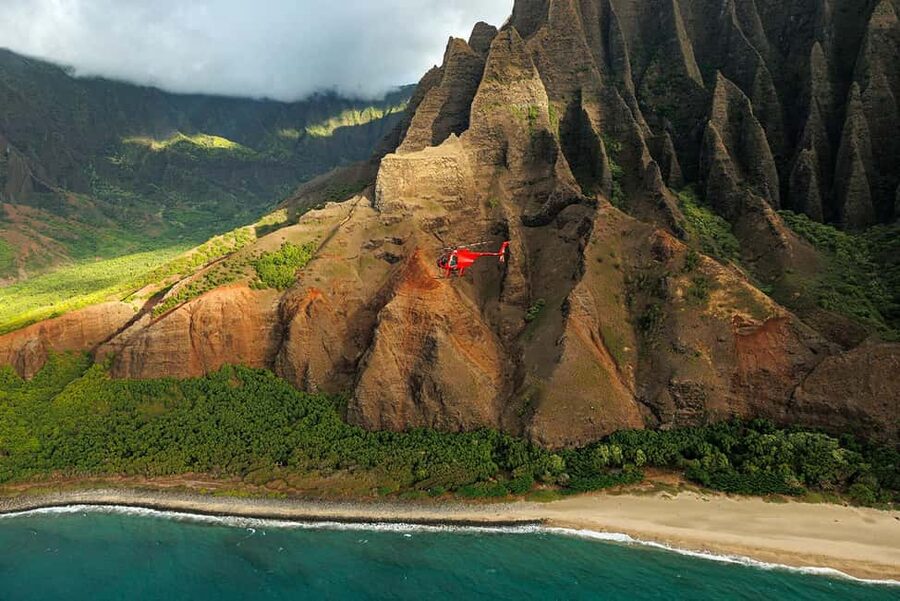
- Iconic route in one hour: Jurassic Falls, Waimea Canyon, Nā Pali Coast, Waialeale
- Two-way intercom: pilot commentary plus Q&A during the flight
- Experienced pilots: the operation emphasizes safe control and remote island flying
- Heads-up on wind: plan for cold drafts and movement around the open cabin
Why a doors-off Hughes 500 feels so different on Kauai

Kauai looks dramatic from the ground, but the helicopter view turns those “wow” moments into something sharper and more specific. In this doors-off setup, you’re not looking through a pane, so the light hits your eyes and your camera the way it should. That matters most along the cliffs and deep valleys—areas like the Nā Pali Coast where the angle and depth are everything.
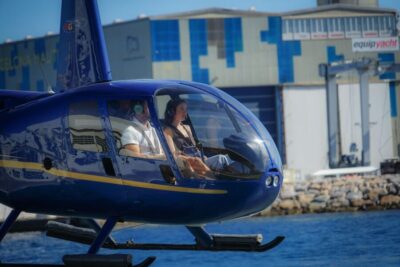
The ride is on a turbine-powered Hughes 500 with space for just 4 passengers. That small scale makes the flight feel personal, not packaged. You’re close enough to landmarks to understand their shape, not just their color.
And yes, you’ll feel the difference in your body. The cabin is open, the air moves, and every turn makes the world tilt. It’s thrilling, but the best part is that it’s also controlled—this company builds the experience around a safety-first briefing and a pilot who’s comfortable flying remote areas of Kauai.
You can also read our reviews of more tours and experiences in Kauai.
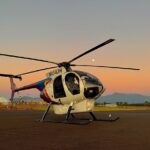
Getting to Airborne Aviation and what the preflight actually involves
Your tour starts at Airborne Aviation, departing from Lihue area. Plan to arrive 30 minutes early so you can check in, get seated, and complete the required safety procedures without stress.
Before the sightseeing begins, you’ll do a brief safety briefing (about 10 minutes). Expect clear instructions on how to sit, how to handle your personal items, and how the doors-off setup works during flight. Riders consistently point to this part as well-run and confidence-building—so don’t treat it like paperwork. This is the moment where you learn how to enjoy the flight without fighting it.
The tour time is about 1 hour total, and the schedule is structured: one briefing, then a series of targeted passes over Kauai’s standout regions. The pilot also has a live, two-way intercom, so you’re not stuck listening only at fixed points. If you want clarification on a landmark, or you’re curious about how those cliffs or waterfalls form, you can ask.
Jurassic Falls: Manawaiopuna from the sky (and why it hits)
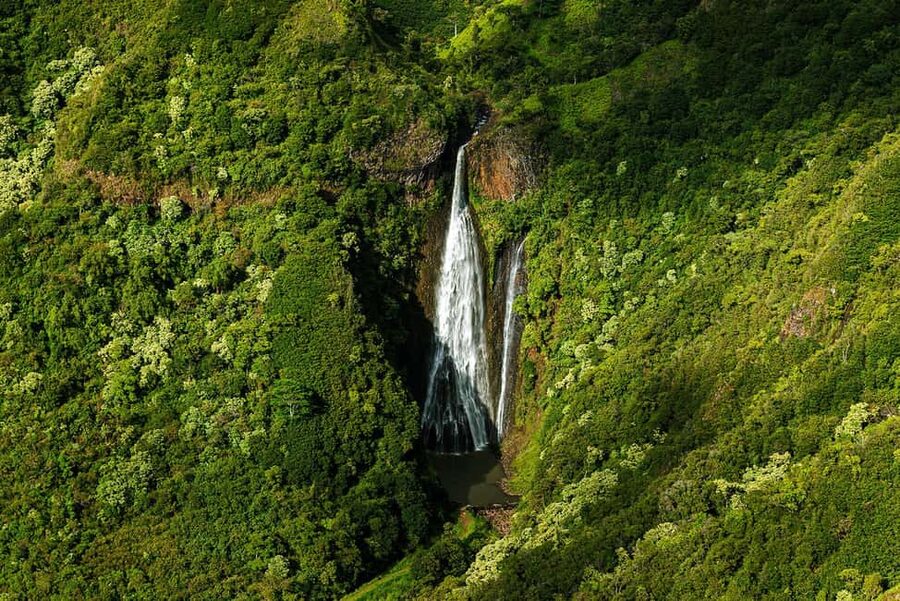
Your first major sightseeing moment is the Manawaiopuna Falls, commonly called the Jurassic Falls. This isn’t just a pretty waterfall from above. It’s a lesson in how Kauai’s wet cliffs and steep valleys create pockets of growth that look almost impossible from sea level.
During this portion, you’ll get a flight pass that’s built for seeing the falls in context—where the water drops, how the surrounding rock layers sit, and how the canopy and mist change the look as the helicopter moves. It’s short compared with a full day on the ground, but that’s the point: you see the big picture quickly, before weather and light shift.
If you’re a film-world fan, this stop can feel extra meaningful. Multiple riders mention the Jurassic connection, but even if you don’t care about that, it’s still a powerful, distinct waterfall view—one of those places that makes you realize Kauai is shaped by water and time, not just vegetation.
Waimea Canyon: 15 minutes of depth you can’t get from viewpoints
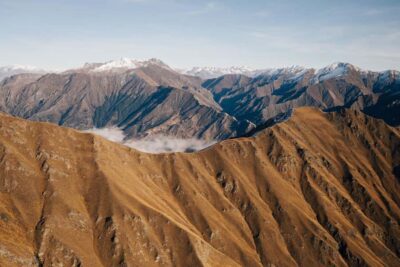
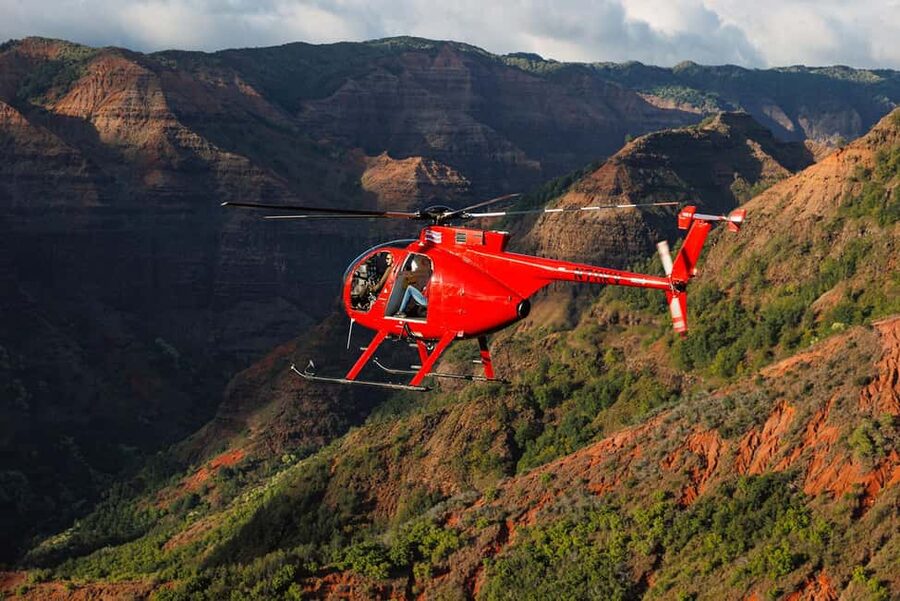
Next up is Waimea Canyon, one of Kauai’s most dramatic inland landscapes. From the ground, you might see overlooks, but from the air you see the canyon’s scale in three dimensions—layers stacked, switchbacked walls, and bends that make the river’s path feel almost engineered.
You’ll spend about 15 minutes in this section for aerial viewing and commentary. That timing is key. It’s enough time to spot major bends and color shifts without rushing past everything. It also gives your pilot room to reposition for better sightlines—especially helpful when the canyon walls look darker or lighter depending on the sun and cloud cover.
A good benefit of the doors-off setup here: you’re not fighting glare on a canyon wall. Shadows and highlights stay crisp, so photos tend to look more true-to-life. If you’re into photography, this is a prime area to shoot vertical compositions—because the canyon layers “stack” naturally when you frame from above.
Nā Pali Coast: the 15-minute pass that usually steals the show
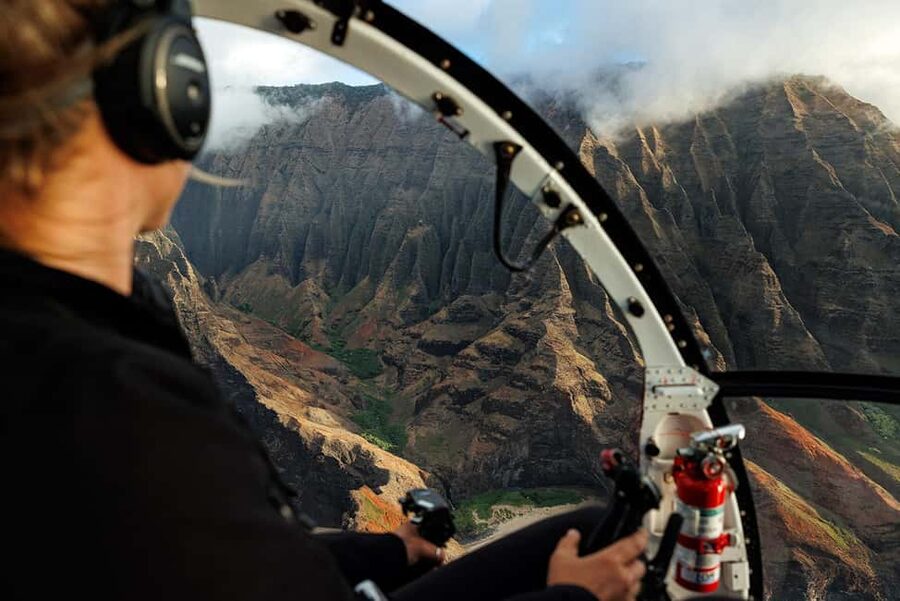
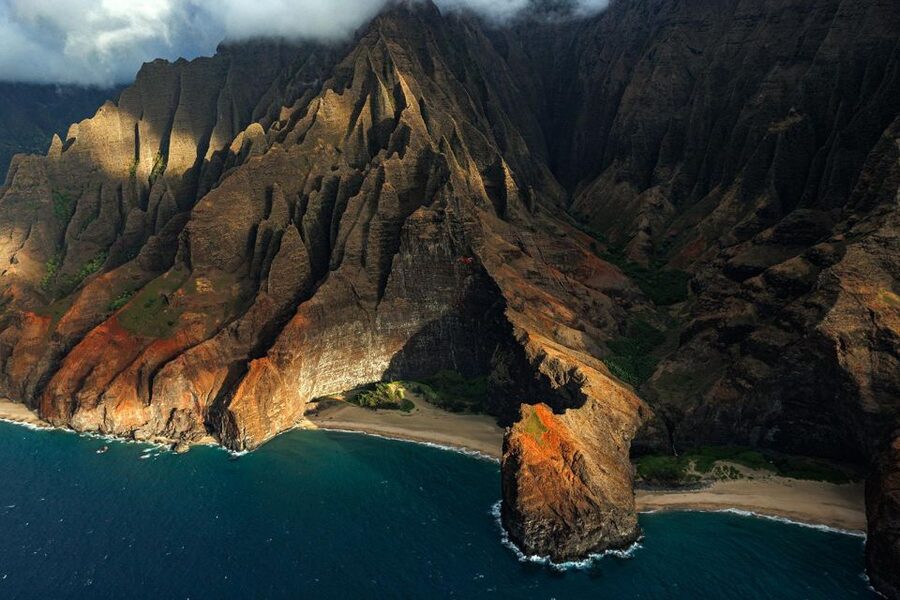
For most people, the Nā Pali Coast is the headline. The cliffs are long, jagged, and layered with valleys and inlets that look unreal from land. From the helicopter, you finally get what those photos don’t fully communicate: the coastline’s depth and how the valleys slice inward.
You’ll have about 15 minutes for sightseeing here, and the pilot’s narration helps you connect features as you fly along the edge of the cliffs. Riders also talk about this being the moment that makes the entire tour feel worth it—often because it’s not just pretty. It’s intense in a way that makes you stop thinking like a tourist and start thinking like a passenger in an aerial map.
With doors removed, you’ll also get better chances at clear shots. No glass glare means the coastline stays sharp, and colors don’t get flattened by reflections. Just be ready for wind and movement, and keep your camera steady—especially during quick turns.
Waialeale: a quick crater-and-waterfalls look
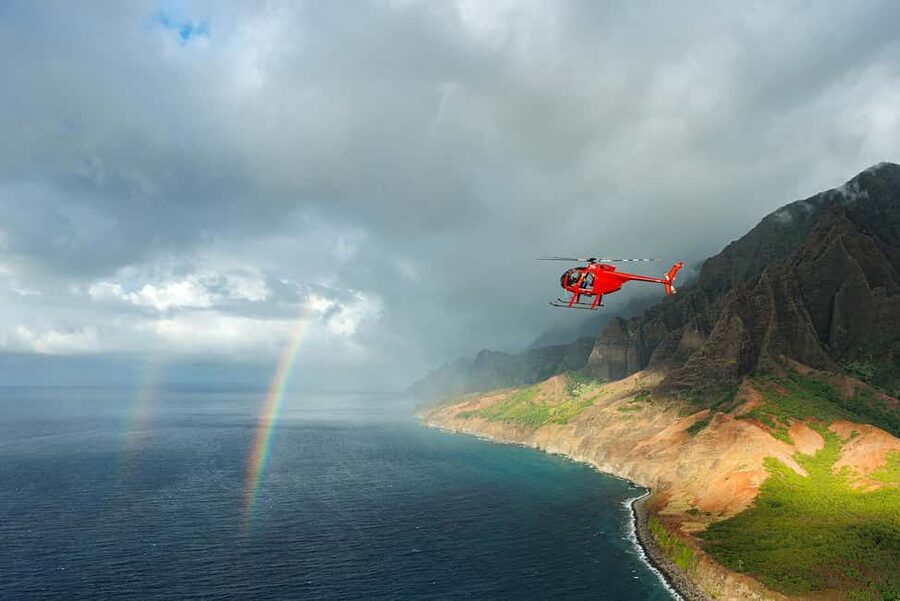
Your final sightseeing area is Waialeale, with about 10 minutes of aerial viewing. This is where Kauai’s weather patterns become visible as structure—clouds gathering in spots, mist forming near wet terrain, and the landscape turning into a patchwork of greens and grays.
Waialeale is interesting because it feels different from the canyon and coast stops. Instead of cliff drama, you’re looking for the way rainfall and humidity carve a route for streams and waterfalls to appear. Even in a short window, the aerial perspective makes the “why” clearer: high terrain plus moisture means more water showing itself in multiple directions.
Because the time is tight, focus on framing wide early, then shoot closer details once you spot the strongest water lines. A short stop rewards good preparation more than perfect technique.
Photo and gear tips for doors-off flying (so your pictures don’t fight you)
Doors-off is a photography dream, but wind is the main enemy. I recommend a small, practical setup so you can shoot without chaos:
- Wear a light jacket or layer. Riders note it can feel cold and windy up there.
- Use hair ties or a hood. Loose hair becomes a distraction fast.
- Secure small items. The open cabin means anything that’s not attached can get annoying.
- For your camera, expect some motion during turns. Use burst mode if you’re comfortable, and shoot short sequences rather than one long hold.
One big advantage you’ll notice immediately is no glass glare. That means fewer reflections of cabin lights or your own gear. You still get challenges from glare-like lighting effects (bright sun on water, for example), but you’re dealing with the real light rather than a window’s reflection.
Also remember: you don’t need 200 photos. With Kauai’s aerial scenery, 10 strong images beat 50 blurry ones. Give yourself a moment to look with your own eyes, then shoot when you see the exact angle.
Safety, pilot skill, and the vibe onboard
This tour’s reputation rests heavily on how the pilot runs the flight. You’ll fly with a highly experienced pilot who’s comfortable taking the helicopter to remote parts of Kauai. That translates into smoother navigation around terrain and better “positioning” during sightseeing passes.
Multiple past riders specifically praise pilots by name—Adam Chase and Adam, Kate, Max, Amy, Wayne, and Joe come up in the operator’s recent history. The consistent theme isn’t celebrity pilot names; it’s that the pilots are confident and calm, with a focus on keeping the flight safe while still being friendly and fun.
You also get interaction. The two-way intercom means your pilot is not only narrating; you can ask questions as you go. That turns the flight from a passive viewing session into an educational, entertaining ride—especially when you want to understand what you’re looking at as the helicopter changes altitude and angle.
Price value: is $369 per person worth it?
At $369 per person for a roughly 1-hour doors-off helicopter flight, it’s not cheap. But it is easy to justify based on what you get:
- You’re paying for time-saving access to areas that are hard or slow to reach from the ground.
- You’re paying for the doors-off factor, which isn’t a gimmick on Kauai—it’s a real advantage for glare-free views over cliffs and waterfalls.
- You’re paying for a small group size (up to 4), so the experience doesn’t feel crowded or rushed.
If you’re trying to pick the single most “Kauai-from-above” activity, this fits the bill better than most. It doesn’t ask you to commit to a full day. It also doesn’t require you to drive to multiple trailheads or hunt for a viewpoint that captures depth and scale.
So I think the value is strongest if you care about photography, aerial geography, or you only have one day to see the island from the sky. If you hate wind or get motion discomfort easily, then the experience may feel more costly than it should.
Who should book this doors-off flight (and who should skip it)
This tour is designed for adults and older teens who want an active, open-air experience.
It’s not suitable for children under 10, and the minimum age is 10. If you’re traveling with kids, confirm fit based on that age rule and the reality of open-cabin wind.
There’s also a weight policy to keep seating safe and balanced:
- Guests weighing 240 lbs (109 kg) or more must reserve an additional seat (charged at the standard rate).
- For groups of 3–4 passengers, the combined weight of two individuals seated in front must not exceed 340 lbs (154 kg).
If you’re within those limits and you’re okay with wind, you’ll likely love the experience. If you’re expecting a quiet, enclosed sightseeing flight, this one’s the opposite. It’s thrilling, open, and designed to let you see without barriers.
Should you book it?
Yes, I’d book it if you want Kauai’s best views in the shortest time, and you value doors-off clarity for photos. The route covers the big hitters—Manawaiopuna Falls, Waimea Canyon, Nā Pali Coast, and Waialeale—without turning your day into a driving marathon.
I’d skip or rethink it if you’re very sensitive to cold wind, or if you don’t like open-air sensations from day one. Also be smart with expectations: it’s about hours in the sky, not lingering on foot.
If you can handle the wind and you’re aiming for one unforgettable “from above” moment, this is the kind of tour that tends to stay with you long after you’re back on the beach.
FAQ
What’s the duration of the Kauai Hughes 500 doors-off helicopter flight?
The flight duration is about 1 hour total, with check-in and safety procedures included in the overall experience timing.
Where does the tour depart from?
The tour starts and ends at Airborne Aviation.
Is this a small group tour?
Yes. It’s limited to a small group, with a maximum of 4 passengers onboard.
What are the age requirements?
Passengers must be at least 10 years old. Children under 10 are not suitable.
What do I need to bring?
Bring a passport or an ID card for check-in.
What should I know about seating and weight?
If you weigh 240 lbs (109 kg) or more, you’re required to reserve an additional seat. For groups of 3–4 passengers, the combined weight of two individuals seated in front must not exceed 340 lbs (154 kg).