
REVIEW · HILO
Volcano Adventure: Hilo Sightseeing w/ Optional Helicopter Tour
Book on Viator →Operated by Polynesian Adventure Tours · Bookable on Viator
I love how this day mixes active volcano sights with easy walking and real local stops, all from Hilo. You get a guided run through Hawaii Volcanoes National Park with the chance to see flowing lava (not guaranteed), plus rainforest steam vents and a walk through the Nahuku–Thurston Lava Tube.
Two things I especially like: the professional narration that connects what you’re seeing to Big Island geology, and the way the itinerary pairs volcano drama with waterfall beauty like Akaka Falls and Rainbow Falls. The main drawback to plan around is timing: park time can feel short on days when road access changes or the schedule adjusts for optional helicopter drop-offs.
You’ll ride in an air-conditioned vehicle, with pickup and drop-off at select Hilo hotels and admission fees handled for you. The tour lasts about 10.5 hours, capped at a maximum of 46 people, which helps keep it from feeling like a cattle-call.
In This Review
- What Makes This Tour Worth Your Day
- Starting in Hilo: Banyan Drive and the “Walk of Fame” Feeling
- Into Hawaii Volcanoes National Park: Kilauea’s Story in Real Places
- Kilauea Summit Area Stops: Quick Views, Big Energy
- Walking the Lava: Nahuku–Thurston Lava Tube (The Best Middle Ground)
- Chain of Craters Road to the Rim: When Access Changes, the Tour Adjusts
- Akaka Falls State Park: The Water Stop You’ll Be Happy About
- Japanese Garden Time and Rainbow Falls: Hilo’s Softer Side
- Lunch, Air-Conditioning, and the Stuff That Keeps a Long Day Comfortable
- Optional Helicopter Tour: Worth It, But It Can Tighten the Day
- Group Size and Guide Style: When You Get Dexter (Or Someone Similar)
- What to Pack and How to Prepare for Volcano Weather
- Price and Value: Is $202.76 a Fair Deal?
- Should You Book This Volcano Adventure?
- FAQ
- What is the duration of the Volcano Adventure tour?
- Where does the tour start and are pickup options included?
- Is admission included for Hawaii Volcanoes National Park and other stops?
- Does the tour include lunch and drinks?
- Can I see active lava on this tour?
- How much time do you spend at the main volcano sites?
- What should I wear for the volcano portion?
- Is this tour okay for people with asthma or respiratory problems?
What Makes This Tour Worth Your Day
- Thurston Lava Tube walk: a well-lit cave where you literally walk where lava once moved underground
- Steam and sulfur viewing: quick stops that still make the volcano feel real and close
- Full-day Hilo to Volcanoes flow: Banyan Drive, Hilo waterfall stops, and national park all in one organized loop
- Guide-led history in plain language: you’ll connect Kilauea’s eruptions (like the ongoing Kilauea activity since 1983) to what’s on the ground now
- Lava sightings are a bonus, not a promise: you’ll still get major volcanic terrain even if lava isn’t visible
- Optional helicopter changes the pace: some days run tighter if people are dropped off to fly
Starting in Hilo: Banyan Drive and the “Walk of Fame” Feeling
The day begins in downtown Hilo, rolling along the coast on Banyan Drive. It’s a nice way to ease into the trip: you’re not immediately climbing into the national park—you’re getting oriented to the town first, including that laid-back coastline vibe known as the Hilo Walk of Fame.
From there, the route typically includes a stop for a local farm experience before you head toward Hawaii Volcanoes National Park. Depending on the day, you may visit a macadamia nut farm or a tropical orchid farm. This part matters because it’s a break from pure driving, and it also helps you understand the crops and island ecosystems that grew alongside all that volcanic chaos.
Practical note: Hilo mornings can feel muggy, but the temperature can shift as you climb toward the park. I’d keep a light sweater in your daypack even if you start in shorts.
You can also read our reviews of more tours and experiences in Hilo.
Into Hawaii Volcanoes National Park: Kilauea’s Story in Real Places

Once you enter the national park, the tour focuses on Kilauea—the famously active volcano that started erupting in 1983. The value here isn’t just the sights. It’s that your guide ties together what you’re seeing: lava tube geology, crater activity, and how the park’s terrain evolved from eruptions.
You’ll spend time along Chain of Craters Road, which runs for about 19 miles through the East Rift and coastal area. Some sections may be inaccessible, depending on current conditions, so the driving route you get can vary. I like that this is handled by the operator: when conditions change, they’re still trying to get you close to what’s viewable.
You’re not going to hike all day, and that’s okay. The park stops are designed for short visits that still hit the big geology highlights, especially if you’re traveling with kids, anyone who doesn’t love long walks, or you just want to see a lot in one day.
Kilauea Summit Area Stops: Quick Views, Big Energy
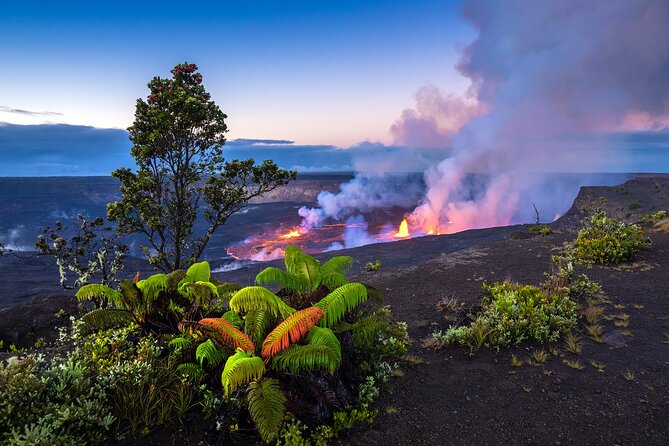
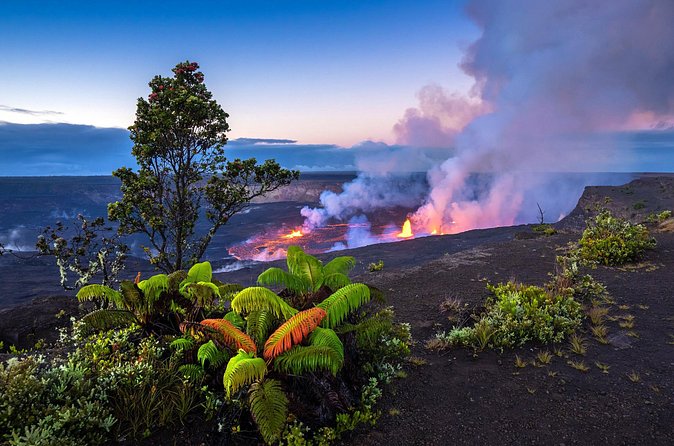
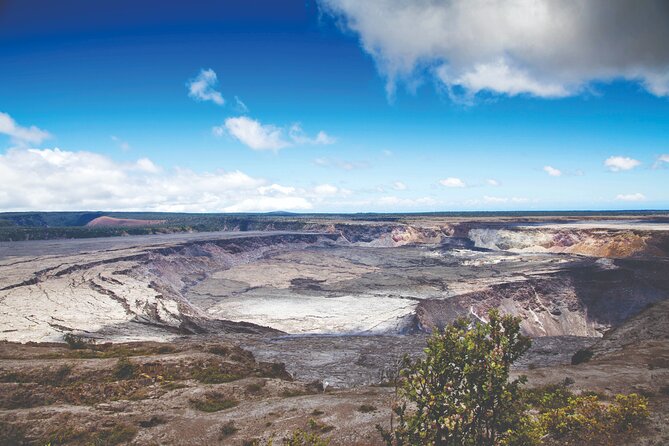
At the Kilauea volcano stop, you’ll have about 20 minutes and admission is included. This is where you may see vents spewing lava from within Halemaʻumaʻu, a pit crater in the volcano’s summit caldera. Even if your day doesn’t deliver lava, the sheer scale of the caldera country is a strong payoff.
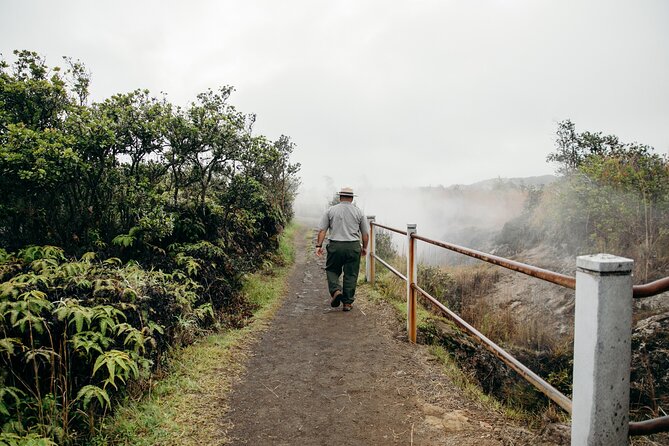
Next comes the steam vents stop (also around 20 minutes). These are short visits, but they teach you something important: ground water meets volcanic rock, and you feel the power without needing to chase danger. One caution, though—if you have asthma or other respiratory issues, the tour operator specifically flags that fumes can be an issue. In that case, it’s worth choosing an option that avoids heavy exposure.
A quick reality check: the tour notes that lava sightings aren’t guaranteed and what’s accessible can change daily. Your best strategy is to treat active lava as a bonus, not your main requirement.
Walking the Lava: Nahuku–Thurston Lava Tube (The Best Middle Ground)
This is the part many people remember the most, because it’s not just a viewpoint. You’ll step into the Nahuku–Thurston Lava Tube, spending about 20 minutes in the tropical forest cave setting.
The idea is simple and powerful: ancient magma flows created the tube system, and now you walk through hardened lava channels that formed beneath the surface. It’s well-lit, so it feels doable even if you’re not a serious hiker. And because it’s surrounded by greenery away from the rim, it has a calmer feel than the open crater areas.
What I like about this stop for first-timers: it turns a scary topic—volcanoes—into a controlled, low-stress experience where you can focus on textures and shapes. Lava tubes also give you a different perspective on how Kilauea changes the island over time.
Wear note: even if the walking is short, keep sturdy walking shoes. Lava tube and rainforest areas can still be slick, and you’ll want sure footing in case surfaces are wet.
Chain of Craters Road to the Rim: When Access Changes, the Tour Adjusts
There’s a 19-mile stretch of road through the park, and some areas can be inaccessible. That’s not a flaw in the tour—it’s how Hawaii Volcanoes National Park works. Weather, safety conditions, and volcanic activity can change what’s reachable that day.
Here’s the practical angle: you’ll usually see the operators try to get you as close as possible to the volcanic action within safety limits. Some days you might get better views, and other days you’ll get equally important geology, just from different angles.
If you’re the type who gets stressed when plans shift, I’d mentally prep for that. The park isn’t a theme park. It’s a living system, and conditions drive what’s safe.
Akaka Falls State Park: The Water Stop You’ll Be Happy About
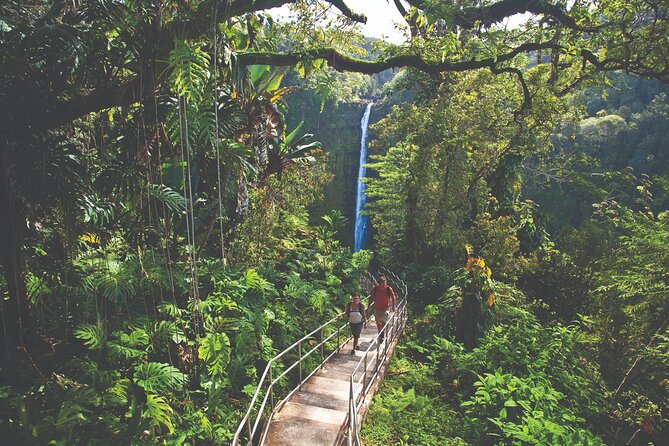
After the volcano-focused time, the tour moves into waterfall mode with Akaka Falls State Park. You’ll get about 20 minutes here, with the falls easily visible from a lookout point and surrounded by jungle.
This stop is a smart balance. Volcanoes are heat and geology; waterfalls are moisture, motion, and forest atmosphere. It gives your brain a reset between crater views and lava tube walking.
Don’t overpack expectations for long trails. The stop is designed for viewing, not an all-day hike. That’s part of why this trip works as a one-day hit-list.
Japanese Garden Time and Rainbow Falls: Hilo’s Softer Side

Back in Hilo, the itinerary includes a stop at renowned Japanese gardens and then another waterfall highlight: Rainbow Falls. Both are short stops, about 20 minutes each, but they’re chosen because they reflect the “real Hilo” feel.
Rainbow Falls can be especially dramatic when mist and sun line up. One review described rain that cleared into rainbows mid-day. If you catch those conditions, it can feel like the island is putting on a show for you.
For photos: even with short stops, you’ll want your phone ready and your jacket handy. Mist and drizzle can happen around waterfalls, and it’s better to be prepared than to improvise.
Lunch, Air-Conditioning, and the Stuff That Keeps a Long Day Comfortable
For many people, the biggest question is whether a day like this feels exhausting. The good news: the tour includes lunch and also includes water, and it’s an air-conditioned vehicle throughout the travel.
From reviews, the lunch is commonly described as satisfying—people talked about a chicken wrap with chips plus a cookie. You likely won’t need to track down food or wait in lines, which is a real value on a packed itinerary.
Also, your day has multiple quick “get on, get off” moments. That’s normal for a well-paced sightseeing loop, but it means you’ll feel the time you spend inside the bus. Heat and comfort matter, so the A/C is more than a perk.
Optional Helicopter Tour: Worth It, But It Can Tighten the Day
The big island helicopter option is genuinely tempting because you see crater systems and lava terrain from above. One review described a helicopter flight lasting close to an hour, with sharp views that included waterfalls, vegetation, and dramatic volcanic formations you can’t really replicate from the ground.
But there’s a timing trade-off. Reviews include examples where the volcano portion felt rushed after people were dropped off for a helicopter around the afternoon, and then the tour needed to finish earlier for another airport drop-off. So if you add the helicopter, go in expecting the rest of the day to run a tighter schedule than you might plan on paper.
My advice: if you’re the kind of traveler who wants unhurried crater time, consider doing the ground portion first and keeping the helicopter as a separate decision. If you do add it, build flexibility into your mindset.
Group Size and Guide Style: When You Get Dexter (Or Someone Similar)
This tour caps at 46 travelers, and some people reported small-group vibes on certain days. A big part of the experience is the guide. In the reviews you’ll see repeated praise for a driver-guide named Dexter, with people calling him warm, helpful, funny, and very informative about both volcanoes and everyday island life.
One practical tip from the same pattern of reviews: bring cash for tips if you want to tip. People noted there aren’t stops close to ATMs during the day, and guides seem to appreciate it.
Another detail you’ll care about: guides will typically help with photos and make it easy to step off and on the vehicle. That matters a lot when stops are short and time is real.
What to Pack and How to Prepare for Volcano Weather
The park area can feel cool and damp, even if Hilo is warm. The tour suggests a light sweater and sturdy walking shoes, and I agree with both. Even a short walk through uneven rainforest or near volcanic edges can be slippery.
If you’re prone to feeling stuffy around odors or fumes, take the health warning seriously. The tour flags that exposure to fumes may cause problems for some passengers with asthma or respiratory issues. Don’t tough it out if that’s you—choose a different tour style.
Finally, don’t plan your day around getting lava in your photos. The tour is designed to give you major volcanic terrain either way, but lava visibility depends on safety conditions and how the environment is behaving that day.
Price and Value: Is $202.76 a Fair Deal?
At about $202.76 per person for a full day, this isn’t a budget “hop-on-hop-off” option. But it’s also not just paying for a seat.
You’re paying for:
- Pickup and drop-off at specific Hilo hotels
- Air-conditioned transportation for a long loop
- Professional narration
- Admission fees included
- Lunch included
That matters because you’d otherwise spend time figuring out tickets, parking, and separate rides between Hilo, the falls, and Hawaii Volcanoes National Park. The itinerary is intentionally built to reduce that friction.
Where the price can feel less satisfying is when the volcanic portion feels rushed due to access changes or helicopter timing. If you’re paying for volcano time, you should set expectations for quick stops rather than long crater walks.
Should You Book This Volcano Adventure?
I’d book it if you want a one-day overview of the east side of the Big Island that actually connects the dots—lava tubes, steam vents, crater views, and then waterfalls that break up the intensity. It’s a solid choice for first-timers because it hits the key sites without requiring a car or a big planning puzzle.
I’d hesitate if your top priority is extended time inside Hawaii Volcanoes National Park during prime active-lava visibility, because time at viewpoints can vary. I’d also skip it (or choose a different option) if fumes could be an issue for you.
If you do book, the smartest move is simple: bring a sweater, wear real shoes, and treat lava sightings as a bonus. When you do that, this trip tends to feel like good value for a full, guided day of geology and waterfalls.
FAQ
What is the duration of the Volcano Adventure tour?
It runs for about 10 hours 30 minutes (approx.).
Where does the tour start and are pickup options included?
The tour begins in downtown Hilo. Pickup and drop-off at specific Hilo hotels are included.
Is admission included for Hawaii Volcanoes National Park and other stops?
Yes. All admission fees are included, including stops at Hawaii Volcanoes National Park and Akaka Falls State Park.
Does the tour include lunch and drinks?
Yes. Lunch is included, and the tour is described as providing a light meal.
Can I see active lava on this tour?
You might, but lava sightings are not guaranteed. The tour adjusts based on current safety conditions.
How much time do you spend at the main volcano sites?
The schedule includes short visits such as about 20 minutes at Kilauea, steam vents, and the lava tube.
What should I wear for the volcano portion?
Bring a light sweater and wear sturdy walking shoes. The area can feel cooler than Hilo.
Is this tour okay for people with asthma or respiratory problems?
The tour information specifically cautions that passengers with asthma and other respiratory problems should consider other offerings to avoid potential issues from fumes.