REVIEW · KATHMANDU
Everest Base Camp Helicopter Tour landing at Hotel Everest View
Book on Viator →Operated by Adventure White Mountain Pvt.Ltd · Bookable on Viator
Everest Base Camp can feel unreal. This helicopter tour turns it into something you can see fast, especially with Kala Patthar views and a possible Hotel Everest View breakfast stop. I like the quick hit of high-altitude scenery without days of trekking, and I like that you get multiple landing moments for photos. One catch: the whole schedule depends on weather, and that can change landing/stop plans.
The pricing is steep, so you’ll want to think of this as a premium sightseeing flight, not a bargain. You’re looking at about 4 to 6 hours total with only 4 to 6 minutes of actual flight time called out in the overview, and the rest is pickup, fueling stops, and positioning. The good news is the format is simple, with hotel pickup and drop-off arranged from your Kathmandu hotel.
My favorite part is how the day is run—organized, with attention to seat comfort and timing. The coordinator listed for this experience is Dipak Sapkota, and the plan includes a clever Pheriche split that helps passengers get better viewing angles during the Base Camp segment. The only downside I’d flag is the cold: bring layers even if you’re traveling in warmer months.
In This Review
- Key things to know before you go
- Starting in Kathmandu: the first airborne stretch and why the day feels longer than it is
- Lukla fuel stop: quick, practical, and surprisingly meaningful
- Pheriche split for better views: how it works and what it means for your photos
- Landing at Syangboche Marg and the Hotel Everest View breakfast gamble
- Everest Base Camp flyover and Kalapathar: what you can expect to see
- The aircraft and group setup: what it means for comfort
- Return to Kathmandu: how routing changes with fuel and what to watch for
- Price and value: is USD 1,600 worth the shortcut?
- What to pack for cold air and quick stops
- Weather dependence: how to reduce the odds of disappointment
- Who this helicopter Everest day fits best
- Should you book the Everest Base Camp tour with a Hotel Everest View stop?
- FAQ
- How long is the Everest Base Camp helicopter tour, and how long is actual flight time?
- How many people are in the group?
- What’s included in the tour price?
- Is breakfast at Hotel Everest View included?
- What fees are not included and may be paid separately?
- Do I need to bring my passport original?
- What if the weather is bad?
Key things to know before you go
- Kala Patthar is the star: expect a close-up, high-angle view of Everest and nearby peaks.
- Hotel Everest View can be a real break: if weather allows, you land for an optional set breakfast.
- Window-seat strategy at Pheriche: the flight may split passengers so each group gets better views on the Base Camp portion.
- Fuel and routing stops are part of the deal: Lukla and Pheriche stops add time but make the operation workable.
- Small group feel: it’s shared (5 to 6 passengers) and capped at 15 travelers max.
- Weather rules everything: good conditions matter for landing and timing, so schedule earlier in your Nepal stay.
Starting in Kathmandu: the first airborne stretch and why the day feels longer than it is
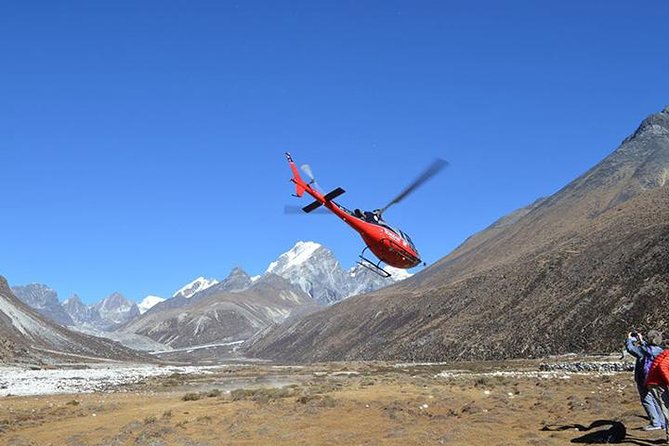
Your day starts from Kathmandu by helicopter pickup. The tour is designed as a same-day loop: you depart Kathmandu airport, fly over the Base Camp area from the air, then continue toward Lukla.
Even though the flying segments are short, the total experience runs about 4 to 6 hours. That time is used for positioning and short stops (like fueling), plus time at landing points when you’re actually on the ground.
This format matters because helicopter days are not about speed for speed’s sake. They’re about angles—getting you the right vantage points over Everest’s big neighbors (Everest, Lhotse, Pumori, and more) during the clearest windows possible.
You can also read our reviews of more tours and experiences in Kathmandu.
Lukla fuel stop: quick, practical, and surprisingly meaningful
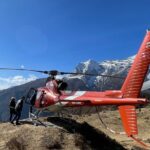
One of the first landings is Lukla, and it’s not treated like a sightseeing stop. The purpose is fuel, and the duration is short—about 10 minutes.
Still, it’s a useful moment because Lukla is the launching point for many classic Everest treks. Even if you’re not hiking, seeing the same hub gives you context for how all these routes connect.
If you hate waiting, this stop may feel like a blip. If you like understanding the system behind the views, it’s a good reminder that this “instant Everest” is built on the same aviation reality as the long trek routes.
Pheriche split for better views: how it works and what it means for your photos
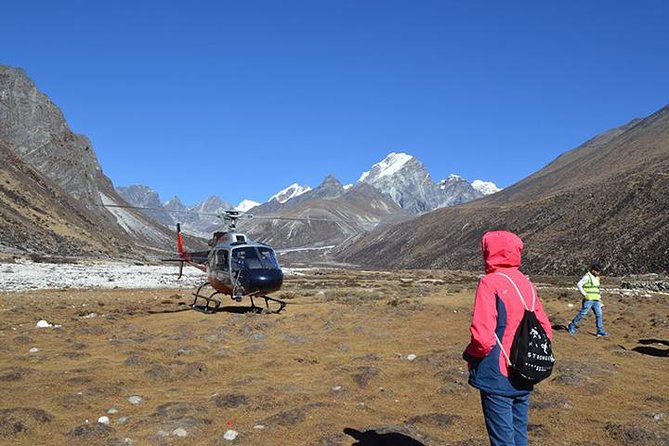
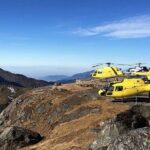
After the Lukla stop, you may land at Pheriche, listed as the splitting place when more than three passengers fly together. The operation can fly two people first, then three, with the stated goal that everyone gets window seats guaranteed for the Everest Base Camp part only.
This is the kind of detail that actually changes your experience. In a helicopter, you can’t always control where you sit, and window angles matter a lot when you’re trying to photograph jagged ridges, glaciers, and the layers of valleys below.
So if your priority is pictures—especially clear sightlines for Everest’s mass and the way the valleys stack under you—this seat plan is a real plus. It also explains why the day can feel orderly: they’re managing views, not just moving people.
Landing at Syangboche Marg and the Hotel Everest View breakfast gamble
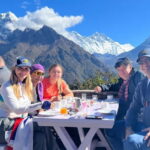
The big “on-the-ground” moment for non-hikers is the stop at Hotel Everest View. It happens at Syangboche Marg as a landing/breakfast point during the helicopter flight, and it’s subject to weather.
When it runs, you usually get about one hour there. The included activity isn’t breakfast itself; breakfast is optional and costs USD 31 per person for a set breakfast, with the note that you should carry that amount.
Here’s the practical take: even if the helicopter is the main event, that hotel stop is where the trip becomes more than a ride. You get a chance to stretch, warm up a little, and take your photos with a different background than the open air.
If weather is poor, this stop may not happen. And that’s the whole theme of this tour: the itinerary is built around what the mountain allows that day.
Everest Base Camp flyover and Kalapathar: what you can expect to see
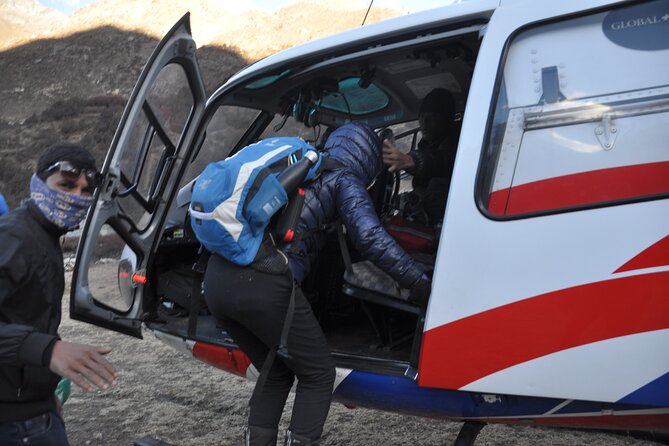
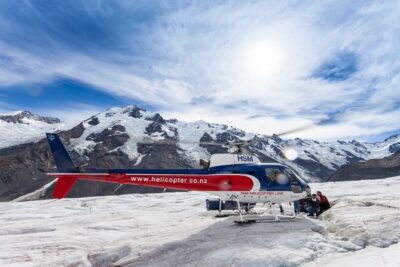
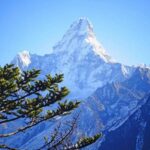
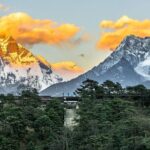
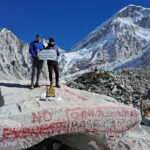
The core experience is the scenic helicopter flight that gives you overflights of Everest Base Camp and Kalapathar for stunning views. You’ll also get views of surrounding peaks such as Mount Everest, Lhotse, and Pumori, plus other high peaks mentioned in the ride description (like Nuptse).
What makes Kala Patthar special in this setup is that it’s treated as the close-up moment. Helicopters don’t give you the long, slow “walk-in” feeling of a trek, but they can give you angles that are hard to replicate from farther viewpoints.
From the flight experience described, you’re not looking at Everest from one safe postcard distance. You’re seeing the mountain’s scale through steep ridges, glacial shapes, and deep valleys below—an overview that makes the peaks feel close even when you’re still flying.
For your camera: bring the habit of quick framing. In a helicopter, you often get short windows to shoot through the opening and stabilize. It helps to pre-decide what you want most—Everest’s summit line, the ridge layering, or the spread of neighboring peaks—then shoot in bursts as the helicopter adjusts course.
The aircraft and group setup: what it means for comfort
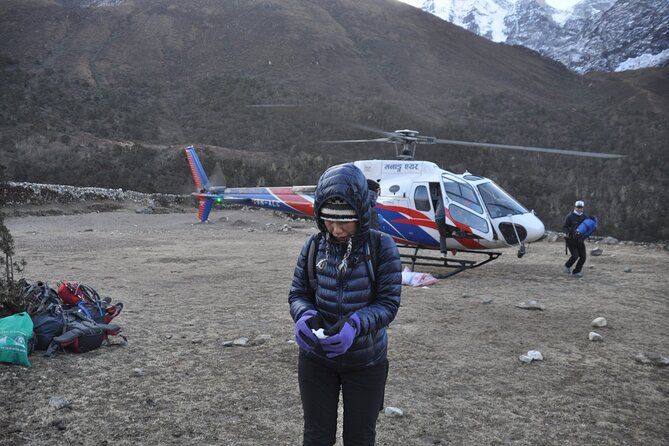
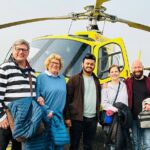
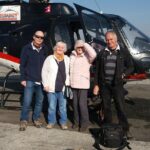
The ride is shared in a group, described as joining group sharing 5–6 passengers and a pilot. The maximum group size is 15 travelers, which keeps things from turning into a chaotic herd.
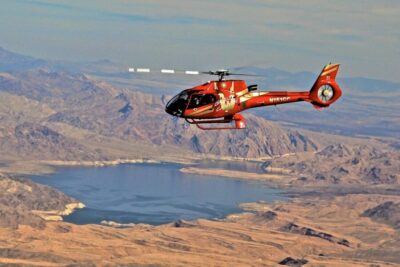
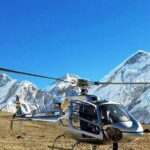
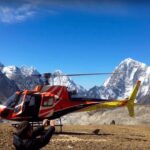
Aircraft type is listed as AIRBUS H125 Eurocopter 350. That matters because smaller helicopters mean tighter seating and less airflow than you’d expect from a big aircraft. It also means weight and fit issues can matter more, so it’s not the best time to ignore your body’s cold tolerance.
This tour also notes a total passenger weight of 221 lbs. It also asks that anyone over 100 kg text the provider after booking, which is a good signal they’re taking onboard constraints seriously.
Return to Kathmandu: how routing changes with fuel and what to watch for
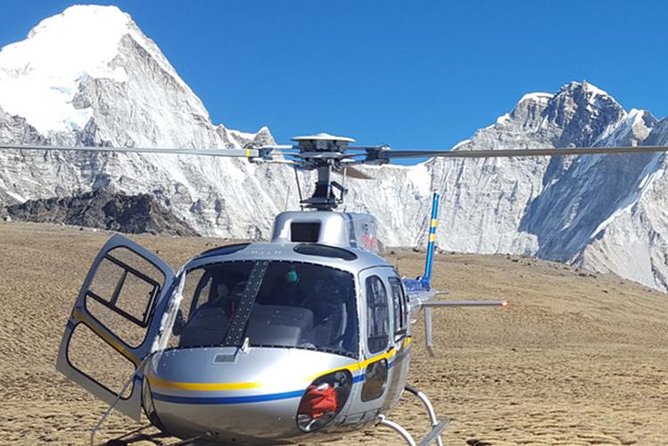
The loop ends by returning from the Everest area back to Kathmandu by helicopter. The overview says it lands at Kathmandu, and it notes a routing decision: flying via Lukla takes about one hour, but the captain can fly either via Lukla or directly depending on fuel situation.
This is another detail that explains why the day can vary a bit. Even when you book with a set plan, mountain aviation includes small routing adjustments.
If you’re trying to plan dinner or a next-day flight out, I’d build in buffer time. You’ll come back to Kathmandu, but don’t schedule anything critical immediately afterward unless you like living on the edge.
Price and value: is USD 1,600 worth the shortcut?
At USD 1,600 per person, this is not a “do it once” budget choice—it’s a “do it because it’s different” choice. The value comes from the parts that are hard to replicate any other way: the helicopter overflight, the multiple landing moments, and especially the Kalapathar viewing angle plus the chance to land at Hotel Everest View.
What’s included is the big engine of the experience:
- Hotel pickup and drop-off in Kathmandu
- Helicopter flyover in a shared group format
- Multiple landing points for views
- A flight that’s timed around Everest-area viewpoints, not a long trek schedule
What costs extra is important. The tour does not include:
- National park fee: USD 26
- Airport tax: USD 8
- Khumbu village development fees: USD 16
That’s USD 50 in listed compulsory fees, plus the optional breakfast at USD 31 if you stop at Hotel Everest View and eat.
So you should think of the total as roughly USD 1,650 plus breakfast if it happens. For many people, that still feels expensive—because it is expensive. But for the specific value of getting a close Everest experience in a half-day, it can make sense.
If you’re the type who enjoys comfort, convenience, and time-saving, this tends to be money well spent. If you want the full Everest story on foot, a trek will deliver more meaning per dollar, just over more days.
What to pack for cold air and quick stops
You’ll want warm clothing. The notes say summer can still require a warm jacket for around 0°C, and winter around -2°C, with extra warning that higher points can be colder (about -5°C to -10°C).
Even if you only spend short time outside during landings, the helicopter cabin doesn’t feel like a warm lounge. Bring layers that you can pull on fast, plus gloves and a hat if you get cold easily.
For documents, you’re told to carry a passport copy—a photo on your phone works, and you don’t need the original passport. That’s one less stress point on a day that’s already time-sensitive.
And yes, bring your camera battery—but also keep an eye on charging. Cold can drain batteries faster than you expect.
Weather dependence: how to reduce the odds of disappointment
This tour is very clear about weather. It flies on beautiful weather only, and if it’s canceled because of weather, you’ll be offered a different date or a full refund.
What you should do with that information: schedule this earlier in your Nepal trip if you can. When you leave it for the end, a cloudy stretch can lock you out.
Also, be ready for the possibility that your landing and timing could shift. Breakfast at Hotel Everest View is explicitly subject to the weather, so if that’s your must-do moment, plan mentally for it to be optional.
Who this helicopter Everest day fits best
This tour fits best if you:
- Have limited time and want an Everest-area experience without trekking
- Want the Kalapathar viewpoint and the Base Camp flyover in a short window
- Prefer a small-group format with guided logistics handled by a coordinator like Dipak Sapkota
- Care about photo angles and are willing to move quickly during short windows
It may not fit if you:
- Need guaranteed time on the ground at Hotel Everest View
- Get uncomfortable in cold air or tight seating
- Want a full-body Everest journey with multi-day hiking rhythm
For a lot of travelers, this works as a “first contact” with Everest—then they return later for trekking if the mountain pulls them back.
Should you book the Everest Base Camp tour with a Hotel Everest View stop?
Book it if your main goal is a high-impact Everest experience with minimal time on your calendar. The combination of Base Camp overflights, Kalapathar views, and the chance to land at Hotel Everest View makes it feel like more than a quick photo drive.
Think twice if your trip is already tight on time and you can’t absorb a weather-driven change. Also price it correctly: plan for the USD 50 listed compulsory fees plus the optional breakfast cost if the stop happens.
If you want a practical rule, here it is: this is a premium shortcut to Everest views. If you’re chasing the views and the time saved matters, it’s a strong choice.
FAQ
How long is the Everest Base Camp helicopter tour, and how long is actual flight time?
The total experience is listed as about 4 to 6 hours, with flight time noted as around 4 to 6 minutes.
How many people are in the group?
The helicopter flyover is described as a shared joining group with 5 to 6 passengers and a pilot. The activity also states a maximum of 15 travelers.
What’s included in the tour price?
The included items are hotel pickup and drop-off, the Everest helicopter flyover trip in a group format, and multiple landing points for views.
Is breakfast at Hotel Everest View included?
Breakfast is not included. If weather allows, you can stop at Hotel Everest View for a set breakfast for USD 31 per person.
What fees are not included and may be paid separately?
The tour notes these compulsory fees are not included: national park USD 26, airport tax USD 8, and Khumbu village development fees USD 16.
Do I need to bring my passport original?
No original passport is required. You can carry a passport copy, and the note says a photo on your phone works.
What if the weather is bad?
This experience requires good weather. If it’s canceled due to poor weather, you’ll be offered a different date or a full refund.