REVIEW · FRANZ JOSEF AND FOX GLACIER
Fox Glacier and Mount Cook Helicopter Flight with Snow Landing
Book on Viator →Operated by Totally Tourism - The Helicopter Line · Bookable on Viator
Fox Glacier is the main event here. I love the chance to do a snow landing right above the glacier’s icefalls, and I also love the live pilot narration that turns the flight into a real, easy-to-follow tour of the Southern Alps.
There’s one practical consideration: this is weather-dependent, and if conditions don’t allow the helicopter to get up onto Fox Glacier, the experience may change or be canceled and refunded or rescheduled.
In This Review
- Key highlights you’ll care about
- Fox Glacier snow landing: what makes this feel rare
- Meeting the Southern Alps from the open cabin
- The route arc: Fox Glacier to the Mt Cook viewpoint
- Stop at Fox Glacier: the snow plains photo moment
- Hovering over crevasses and ice formations
- Mt Cook from above: seeing the tallest mountain’s shape
- Weather reality: why flexibility matters on the West Coast
- Value check: is $308.70 worth a 35-minute trip?
- Who this fits best (and who should think twice)
- Quick planning tips that make the flight smoother
- Should you book Fox Glacier and Mt Cook with snow landing?
- FAQ
- How long is the helicopter tour?
- Will we land on the glacier?
- What group size is this flight?
- Where does the tour start?
- What should I wear?
- Is the tour included of anything like food?
Key highlights you’ll care about
- Snow landing above Fox Glacier for photos on snowfields near icefalls
- Small group max of 6 passengers, so you’re not shuffled through a crowd
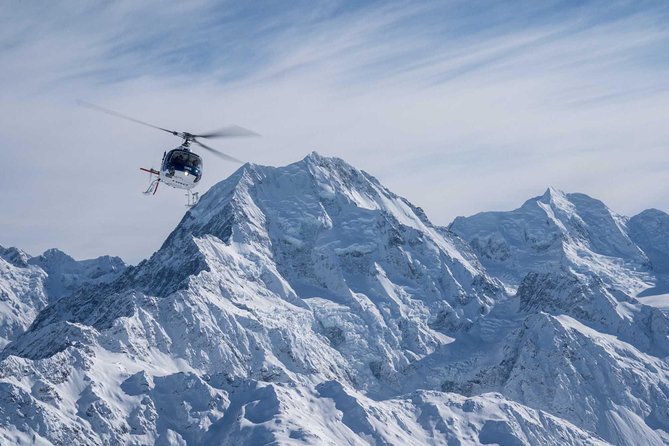
- Open-cabin, twin-engine helicopter for easier sightlines during the flight
- 20 to 25 minutes of flight time within a total ~35-minute trip (including the landing)
- Aoraki Mt Cook views from above Fox Glacier, plus West Face views in the air
Fox Glacier snow landing: what makes this feel rare
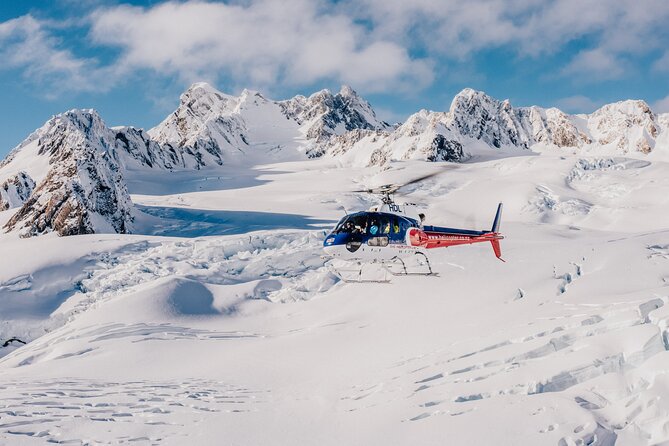
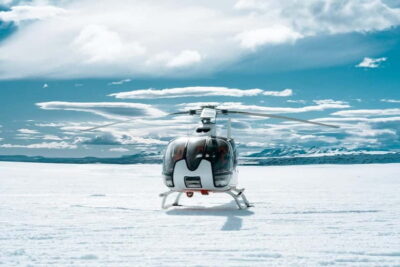
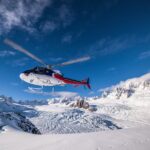
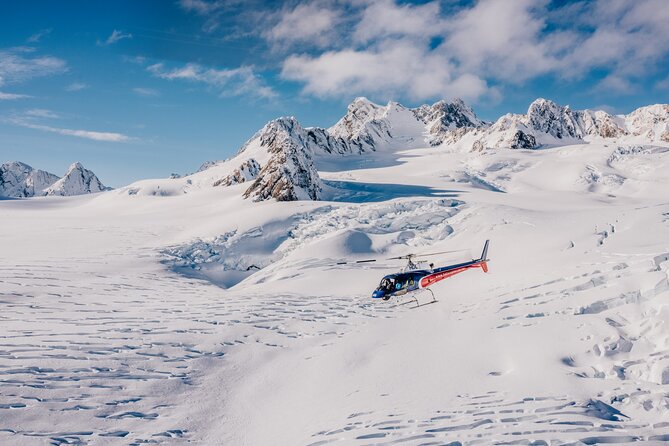
If you’re imagining a helicopter ride as just “nice views,” this one adds a big step. The flight isn’t only sightseeing from the air. You’ll land on the snow plains of Fox Glacier for about 10 minutes, which gives you a rare, grounded moment that photos can actually capture.
That snow landing is special for two reasons. First, it changes your perspective from looking at the ice to standing near it. Second, the timing is long enough to stop rushing. Ten minutes sounds short until you’re standing there in cold air looking down at ice formations you could never reach safely on foot.
You’ll also get a clear sense of scale. From the air, glaciers look like solid shapes. From snow near the icefalls, they start looking like systems—streams, breaks, and textures.
You can also read our reviews of more tours and experiences in Franz Josef and Fox Glacier.
Meeting the Southern Alps from the open cabin
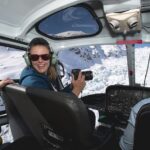
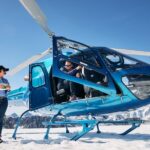
This is a small-group ride built for seeing. You board a twin-engine helicopter that fits 6 passengers, with an open cabin design that’s meant to help with viewing. In a tight craft, window time matters, so having a small group makes the whole experience feel more relaxed.
The pilot isn’t just flying the route. You’ll hear live narration on board as you move across the Southern Alps. Expect commentary tied to what you’re seeing—what the glacier looks like up close, what formations to watch for, and how the scenery connects as the route shifts.
One thing I’d plan for: sound and instructions compete with sightseeing. The helicopter is moving, people are snapping photos, and you’ll want to listen. If you care about the story as much as the visuals, be ready to lower your camera for a few moments so you catch the narration.
The route arc: Fox Glacier to the Mt Cook viewpoint
The overall plan is simple: you soar along the Southern Alps, fly over Fox Glacier, then push farther for views of Aoraki Mt Cook before descending back into the valleys.
You’ll spend roughly 20 to 25 minutes in the air, with the full trip clocking in at about 35 minutes total once you include the snow landing. That timing matters. This isn’t an all-day activity, so it works well even if your West Coast schedule is busy. It also keeps the flight focused: you’re not sitting around waiting for “the long part” to begin.
From the air, you’re not just looking at one peak. You’re scanning a chain of features—glacier sections, icefalls, and the wider valleys. That’s why the pilot narration helps: it keeps the region from feeling like random patches of white and rock.
Stop at Fox Glacier: the snow plains photo moment
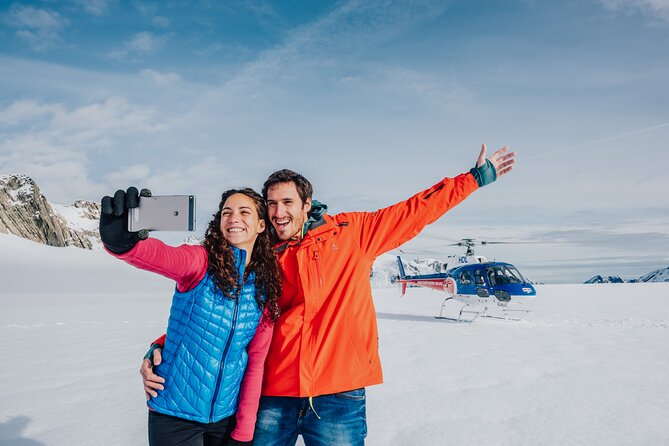
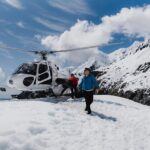
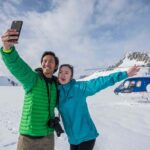
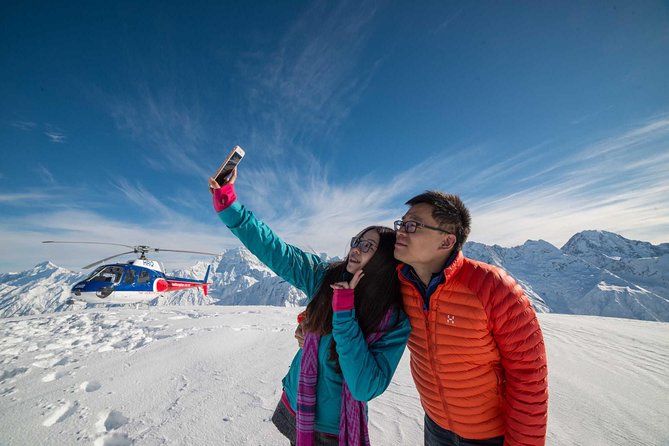
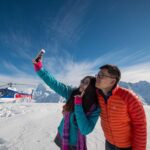
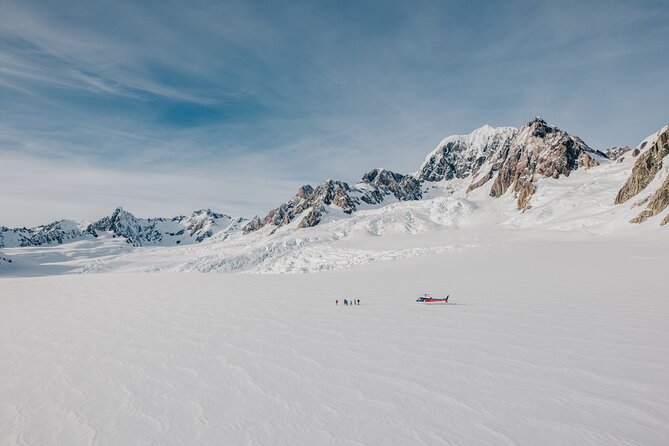
Your first on-the-ground highlight is the landing on Fox Glacier’s snow plains. You’ll get time to take photos and soak in the snowfields around the glacier.
Here’s why this matters even if you’re not a “winter person.” Standing on snow in a place that’s active and changing gives your pictures context. The glacier isn’t just a distant attraction anymore. It’s right there under you—close enough to show the scale of ice features the helicopter can hover above.
A downside to consider: cold air hits faster at higher altitudes and when you’re still. Dress like you’ll be outside for a short spell, not like you’re just running from a car to a building. Warm layers and suitable footwear are specifically recommended for a reason.
Hovering over crevasses and ice formations
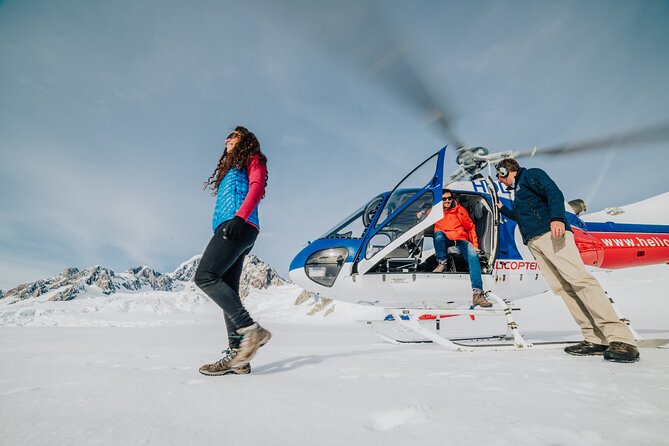
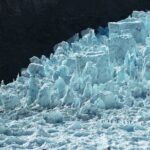
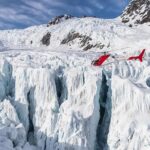
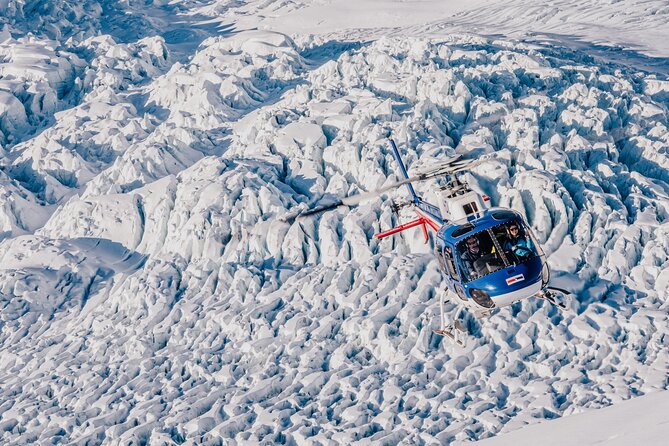
Once you take off again, the focus shifts to the “look you can’t get any other way” part. You’ll hover above deep crevasses and other ice formations, then descend into the top area where snow landing makes sense over icefalls.
This is where helicopter flying turns into geology watching. Crevasses aren’t always dramatic from ground level, partly because you can’t approach them closely and partly because the viewing angles are wrong. From above, you can read the glacier’s structure—cracks, breaks, and the way ice layers move through terrain.
You should also know the glacier you’re flying over is part of a short list of glaciers in the world that end in a rainforest. That detail adds a layer of meaning to what you’re seeing: it’s not just cold ice in a vacuum. It’s ice in a living, wet climate system nearby.
Mt Cook from above: seeing the tallest mountain’s shape
The big named moment is getting a look at Aoraki Mt Cook from the air. You’re shown the mountain and fly up before descending back into the valleys below.
Aoraki Mt Cook’s height is given at 12,217 feet (3,724 meters) above sea level. What I find useful about that number is it helps you understand why the flight feels dramatic. Even in a short window, the scale stands out—this is the tallest mountain in New Zealand, so your brain knows it’s a “main character” before you even zoom in.
From the air, you can also view the mountain’s west face. That’s one of those details you’ll appreciate later when you compare it to photos you’ve seen from road-level lookouts. Helicopter views change the angle, and that angle changes what the mountain looks like—more structure, more ridges, more vertical impression.
Weather reality: why flexibility matters on the West Coast
On the West Coast, weather isn’t a footnote—it’s the boss. This experience requires good weather, and if it gets canceled due to poor conditions, you’ll be offered a different date or a full refund.
That flexibility is a big part of why this tour remains a strong option. Even when the conditions don’t cooperate, the operator plans for alternatives rather than leaving you stuck. In practice, it means you should build in some slack time nearby. If you’re tightly scheduled with no buffer, you’ll feel the stress if the day turns.
If you’re planning around the West Coast, I’d treat this helicopter flight like a “when the sky behaves” activity. Put it on a day where you can adjust, and wear your patience as a layer.
Value check: is $308.70 worth a 35-minute trip?
At $308.70 per person, this isn’t a cheap thrill. So the honest question is whether the value is in the time or in the access.
The value here is access plus rarity:
- You get an actual snow landing for about 10 minutes, not just hovering overhead.
- You get a pilot with live narration, which turns the flight into a guided look at the glacier region.
- You see Aoraki Mt Cook from the air as part of the same outing.
- The group stays small (max 6), which usually means more attention and less waiting around.
Yes, it’s only about 35 minutes total. But that’s also part of the value. For a helicopter tour, you’re not buying hours of transport and overhead. You’re buying a focused shot at the Southern Alps from an angle few people ever get.
If you’re choosing between one “big-ticket” activity and several smaller ones, this is the kind of option that can justify itself. It’s not only scenic. It’s a once-in-a-region experience.
Who this fits best (and who should think twice)
This flight fits best if you want:
- A short, high-impact adventure without a full day commitment
- Up-close glacier views plus time on snow
- Guided context from the pilot, so you understand what you’re seeing—not just staring at it
It may be less ideal if:
- You get very motion-sensitive and hate small aircraft (this is a 6-passenger helicopter, so it won’t feel like a bus)
- You can’t tolerate cold outdoor time for about 10 minutes during the landing
- You’re on a strict schedule with no flexibility for weather changes
One more practical note: there’s a total weight limit of 276 lbs per passenger. If you’re close to the threshold, it’s worth double-checking before you commit.
Quick planning tips that make the flight smoother
- Dress warm even if the morning looks mild. The landing and open-cabin viewing can make it feel colder than you expect.
- Bring layers that you can keep on and off quickly. You’ll likely want warm protection right after landing and during the return flight.
- Have your camera ready, but also be ready to listen. The narration is tied to the route, and it helps you notice the right ice formations and mountain viewpoints.
- Plan this as a “sky day” rather than a hard appointment. If conditions shift, the operator may adjust.
Should you book Fox Glacier and Mt Cook with snow landing?
I’d book it if you’re the type of traveler who wants more than a scenic photo. The real draw is the snow landing on Fox Glacier combined with the air-to-mountain viewpoint of Aoraki Mt Cook, all in one compact outing.
I’d hesitate only if you’re extremely time-locked, you don’t handle cold well, or you’re sensitive to aircraft motion. Otherwise, this is exactly the kind of high-value West Coast experience that earns its price by giving you access you can’t recreate on your own.
FAQ
How long is the helicopter tour?
The total trip duration is about 35 minutes, including the snow landing. Flight time is about 20 to 25 minutes, and the snow landing is approximately 10 minutes.
Will we land on the glacier?
Yes. The tour includes a snow landing on Fox Glacier above the icefalls for photos and time on the snow.
What group size is this flight?
It has a maximum of 6 travelers, and it uses a small helicopter that fits 6 passengers.
Where does the tour start?
The meeting point is The Helicopter Line Fox Glacier on Fox Glacier Main South Road (SH6), Fox Glacier 7859, New Zealand. The activity ends back at the meeting point.
What should I wear?
Warm clothing and suitable footwear are recommended due to cold temperatures.
Is the tour included of anything like food?
Food and drinks are not included. The tour includes the scenic helicopter flight, live commentary, pilot guide, and the snow landing time.