REVIEW · REYKJAVIK
From Reykjavik: New Volcanic Area Helicopter Tour
Book on GetYourGuide →Operated by GlacierHeli · Bookable on GetYourGuide
Watching Iceland’s volcanoes from the air changes everything. This Reykjanes Peninsula helicopter tour gives you a rare, high-up look at a volcanic zone near Reykjavik, with dramatic views of lava fields and active-looking craters. I also like the small group setup (up to 6), because it makes it easier to see what the pilot is pointing out and to get photos.
The main thing to weigh is that you’re looking at a real volcanic region, not a theme park. Eruptions can be unpredictable, so you may not see flowing lava on your flight, especially if conditions or visibility aren’t right.
In This Review
- Key Things I’d Focus On
- Why This New Volcanic Area Flight Feels Different From Normal Reykjavik Tours
- Ace FBO Reykjavík: Starting in the Right Place, Not Chasing Meeting Points
- The Route Over Reykjanes: Litli Hrutur, Geldingadalir, and Fagradalsfjall
- What You Might See Over the Lava Fields (No Guarantees, Just Opportunity)
- Coastline Views: Mount Esja and Faxafloi Bay From Above
- Small-Group Helicopter Comfort and How the Pilots Keep It Calm
- Time, Price, and Value: Is 40 Minutes Worth $577?
- Photo and Video: How to Get the Shots Without Stress
- Weather, Minimum Passengers, and the Weight Seat Rule
- Who This Helicopter Tour Fits Best (and Who Should Rethink It)
- Should You Book This New Volcanic Area Helicopter Tour?
Key Things I’d Focus On
- Small 5–6 seat helicopter for tighter views and easier photo positioning
- 30–40 minutes over Reykjanes with multiple volcano passes and repeated viewpoints
- Up to several named volcanic areas on the route: Litli Hrutur, Geldingadalir, and Fagradalsfjall
- Photo-friendly circling so both sides of the cabin get turns looking down
- English live guide plus English audio to make sense of what you’re seeing
Why This New Volcanic Area Flight Feels Different From Normal Reykjavik Tours
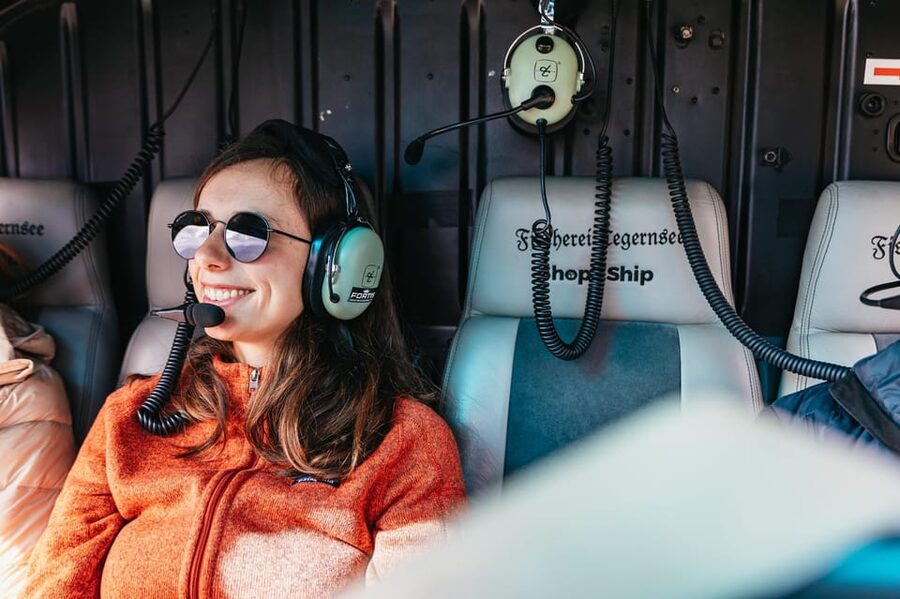
Most Reykjavik tours feel like you’re building a postcard. This one feels closer to science class—minus the worksheets—and more like you’re watching the planet work.
You’re flying over Iceland’s Reykjanes Peninsula, where a new volcanic phase has produced activity in recent years. In the air, you can pick out lava fields, fissure-like lines, and the way terrain bends and changes after eruptions. That kind of pattern-spotting is hard to do from the ground, especially when you’re limited by distance and safety closures.
Two details make this tour stand out. First, the flight is long enough to do real viewing, but short enough to feel efficient: about 30–40 minutes in the sky. Second, you get landmarks in the same frame—Mount Esja and Faxafloi Bay—so the volcanic drama doesn’t float in a vacuum.
The one drawback is also the most honest part. Because you’re dealing with active geology, there’s no guarantee of visible lava or a clearly “simmering” crater on the day you fly.
You can also read our reviews of more tours and experiences in Reykjavik.
Ace FBO Reykjavík: Starting in the Right Place, Not Chasing Meeting Points
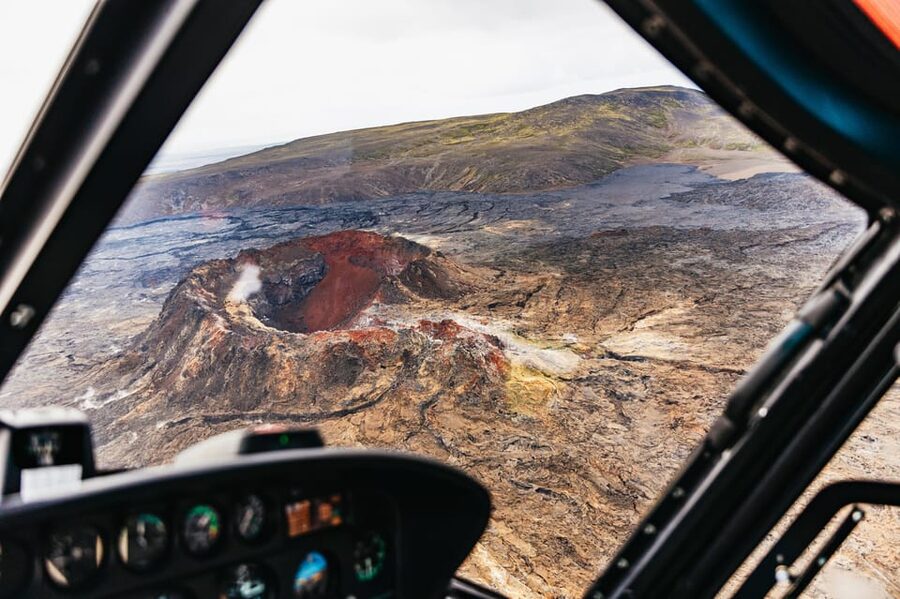
Your tour starts at Ace FBO Reykjavík, in the Capital Region. The facility sits just behind Reykjavik Hotel Natura, and the provider operates from the ACE FBO building.
This matters because helicopter tours run on tight schedules and safety windows. If you’re even slightly disorganized getting there, you can lose the chance to get settled before boarding.
You should also expect a straightforward setup. The tour includes a pilot and skip-the-ticket-line style access, so you’re not stuck waiting around for paperwork. Some flights also include simple refreshments like coffee, tea, and water before takeoff, which is a nice touch when you’re standing around for weather checks.
The Route Over Reykjanes: Litli Hrutur, Geldingadalir, and Fagradalsfjall
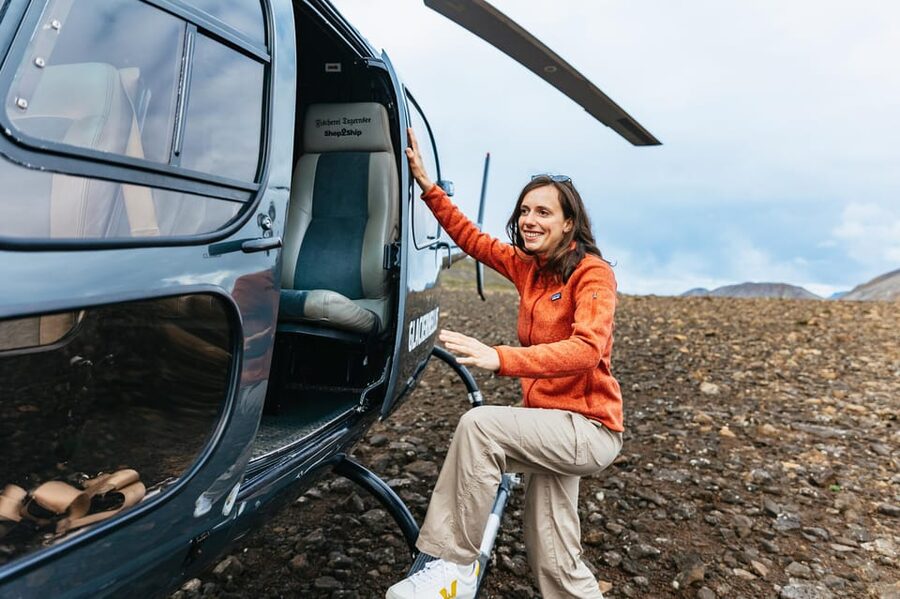
The flight follows a loop that’s built around visibility—where the volcanoes and lava terrain sit, and how the helicopter can line you up for good downward views.
After departing from Ace FBO, you’ll make a short “sighting” segment and then head toward the named volcanic areas. The timeline is compact: several legs are about 5 minutes of sightseeing/flight each, then longer stretches around the main areas.
Here’s what each stop adds to your experience:
- Litli Hrutur Volcano
This is one of the early points, and it helps you get your bearings fast. From the air, even a “smaller” feature can look complex, like a set of scars across the land.
- Geldingadalir Volcano
You’ll likely get a different angle here than at Litli Hrutur. Those angle changes are where aerial viewing becomes more than pretty scenery—you start understanding how eruption zones connect to surrounding terrain.
- Fagradalsfjall Volcano
This leg is longer (about 10 minutes), which usually means more time for viewing and photography. If you care about craters, fissures, and lava pathways, this is the part where you’ll want your camera ready.
- Grindavík
This part brings you closer to the coastline and the human geography of the region. From above, it’s easier to see how settlement and volcanic zones coexist—and why restrictions and evacuations matter in real life.
- Return to Reykjavík
The return leg gives you a final sweep of the view, and it’s often when you catch details you missed earlier. It’s also when you can confirm the bigger picture: how volcanic terrain spreads out across the Reykjanes Peninsula.
A key comfort point: the route is planned so the pilot can give both sides of the cabin good sightlines. Multiple flights include circling and banking so everyone gets a fair look, not just the front-row advantage.
What You Might See Over the Lava Fields (No Guarantees, Just Opportunity)
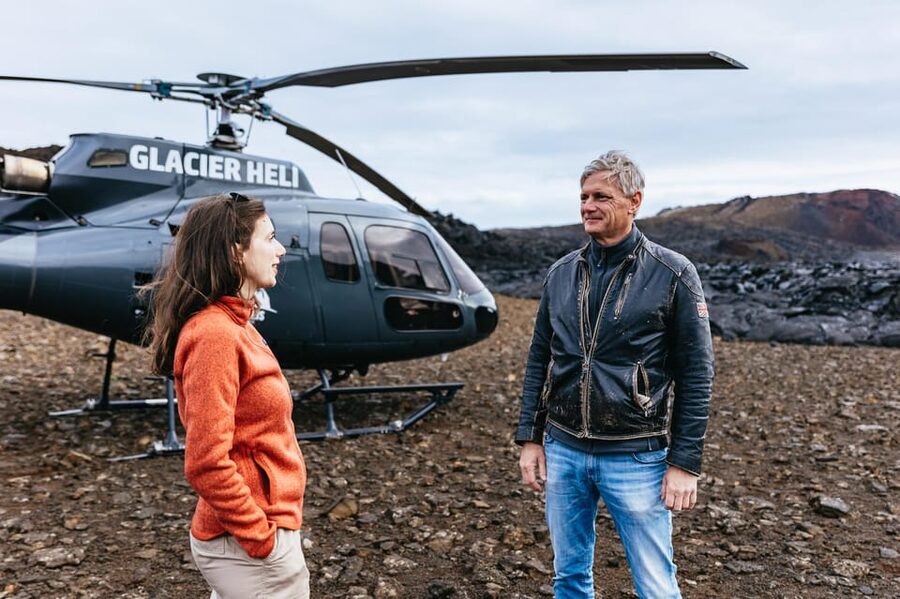
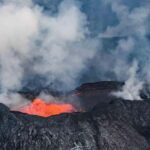
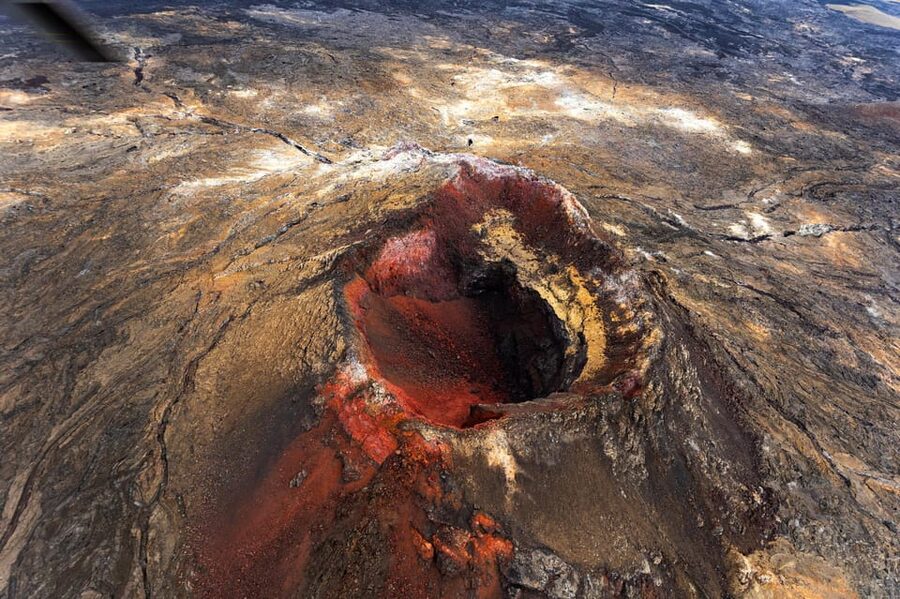
The big draw is the chance to see a new volcanic area from above. You’re flying over lava fields and streams, and you may spot features like a smoldering crater or flowing lava streams depending on the day.
This is also where you should manage expectations. You’re not buying a fixed “show.” Eruptions are a natural occurrence, and they may or may not be active when you’re in the air. On one flight you might see heat and fresh-looking textures; on another, you’ll mainly see the shape of past eruptions.
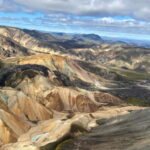
That said, the value doesn’t disappear if lava isn’t currently pouring. Aerial views still let you see:
- how lava fields spread outward
- the lines and breaks that suggest fissures or paths
- how the coastline and bay areas change relative to the volcanic ground
If you’ve ever tried to understand Iceland’s volcanic history from photos on a screen, this helps your brain “place” it in real space. You can see why certain spots matter and how quickly the terrain can transform.
Also note: some experiences have included landing briefly and stepping out for a short walk on lava or near an eruption site. That kind of moment depends on conditions and safety decisions, so it’s not something to assume on every flight—but it’s a real possibility that has made certain trips feel extra memorable.
Coastline Views: Mount Esja and Faxafloi Bay From Above
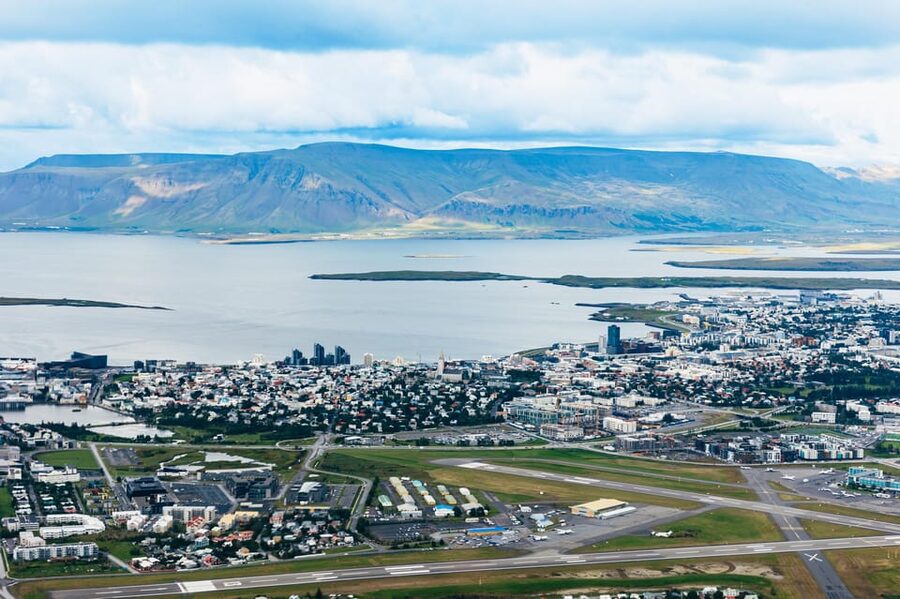
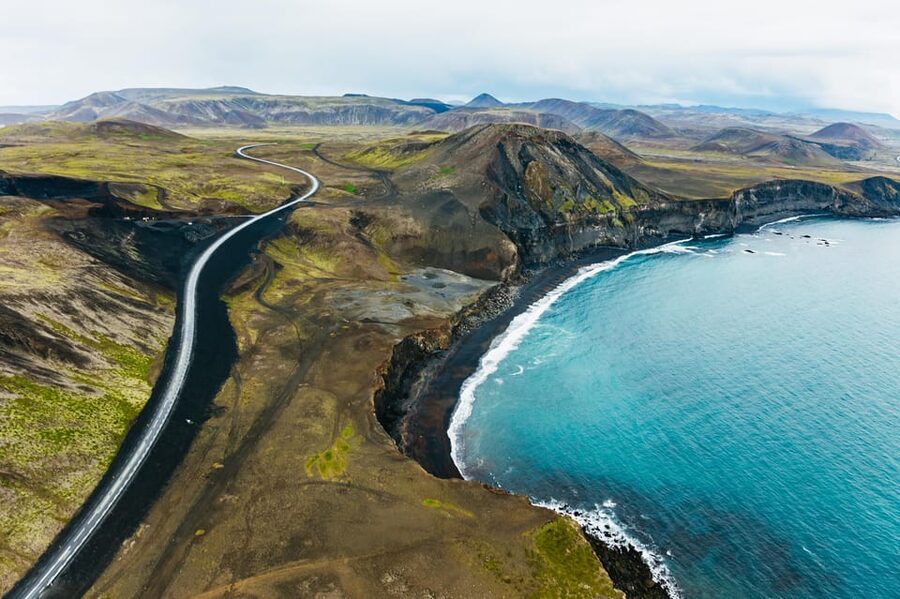
One reason this tour is more than volcano-only is the “scenery frame” you get. You fly in a region where you can see volcanic ground and, at the same time, major landmarks.
Two names matter here: Mount Esja and Faxafloi Bay. From the helicopter, these aren’t just labels. They help you understand scale—how close the dramatic volcanic activity is to Reykjavik and how quickly the scenery shifts from rugged inland forms to ocean-facing views.
The Bay view is especially useful for perspective. Even when you’re focused on lava, you’ll often find yourself looking back to the coast to understand how eruption terrain sits against water. That’s one of those details that sticks because it’s so different from the usual inland trekking photos.
Small-Group Helicopter Comfort and How the Pilots Keep It Calm
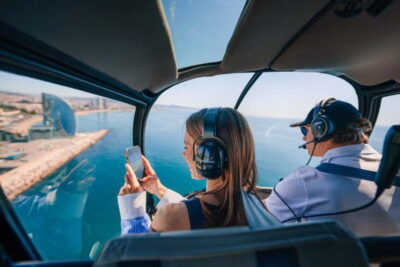
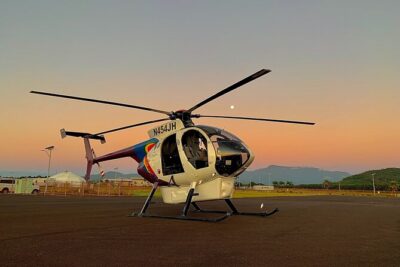
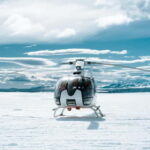
You’re in a helicopter with five or six seats, and the group is limited to up to 6 participants. That small size changes the experience. It feels less like “touring” and more like you’re sharing the cabin with a small crew while the pilot manages angles for everyone.
Safety is clearly central. Flights follow safety rules set by the Department of Civil Protection and Emergency Management, and flights are weather-dependent. If conditions aren’t right, you might wait, reroute, or reschedule for another day.
The pilots also matter. In the real world, this tour lives or dies on the calm confidence you feel in the air. Multiple pilot names show up in the experience stories, including Laura, Tamas, Tashi, Peter, Daniel, Juha, and Peter again in different dates. The common thread: pilots keep things smooth, friendly, and organized, and they make sure everyone has time to look and take photos.
The tour includes a live English guide and an English audio guide too. Practically, that means you’re not just guessing what you’re seeing. You get spoken context in the moment—helpful when lava fields and crater shapes can look similar until someone points out what to watch for.
Time, Price, and Value: Is 40 Minutes Worth $577?
At $577 per person for about 40 minutes, this is not a “cheap thrill.” It’s a premium experience, and the price is tied to the helicopter time, the small aircraft, and the fact that you’re flying in a safety-regulated air environment around active geology.
So where does the value land?
You’re paying for three things:
- Unreachable views from the ground (craters, fissures, lava textures, and “whole-area” layout)
- Small-group viewing where multiple passengers actually see the route, not just one or two
- Time on the newest volcanic zones close to Reykjavik, without waiting for long drives and hikes
A couple of riders also point out a realistic downside: short flight time for the money. That’s true in a straight math sense. But in a volcanic region, a compact flight is also part of how the operator manages risk and visibility.
If you’re someone who truly wants the aerial “why it looks like this” view, I think this pricing can make sense. If your goal is simply a quick Reykjavik scenic ride, you’ll likely feel it’s too expensive for what you get.
Photo and Video: How to Get the Shots Without Stress
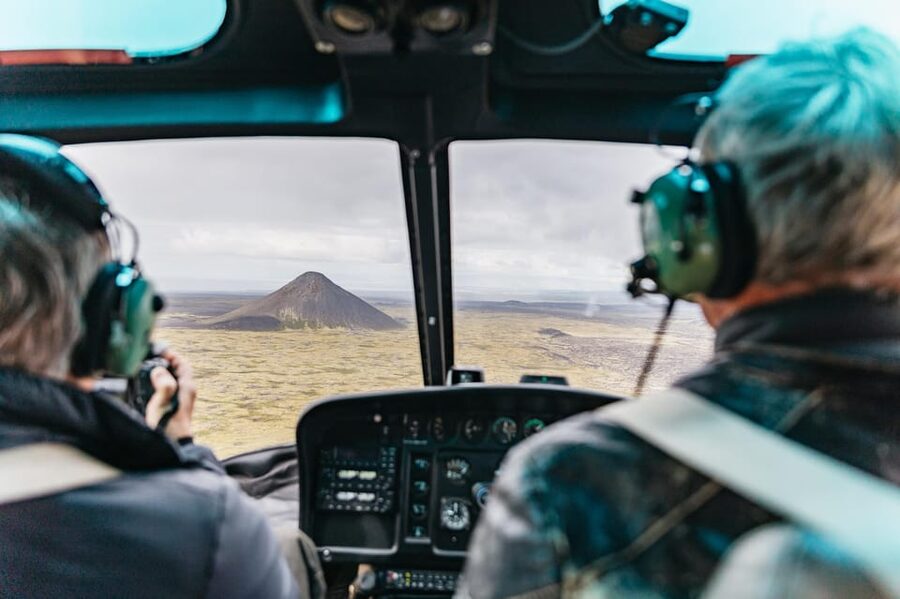
This flight is made for pictures because it gives you repeated chances to look down at the same volcanic zone from different angles. Pilots often plan loops so you’re not stuck watching from one side of the cabin the whole time.
Here’s what to do so the 30–40 minutes don’t rush past:
- Keep your camera/phone ready before the major volcanic legs (you’ll have less time to start fumbling once you’re airborne).
- Don’t chase only one feature. Lava fields, fissure lines, and craters each show up differently with the helicopter’s banking.
- If you’re sitting in a seat that isn’t ideal at first, trust the pilot’s plan. Many flights include multiple bank-and-turn moments so you aren’t stuck with one view.
If you’re lucky enough to see heat, smoke, or more active-looking features, those visuals can change fast. The best strategy is to capture “overview first,” then “detail second,” so you leave with at least one usable frame of each scale.
Weather, Minimum Passengers, and the Weight Seat Rule
This is the part that can affect your plan more than you expect.
Flights are weather-dependent, and they must follow official safety rules. That means your departure time can shift, and rescheduling is possible if visibility or conditions don’t meet the requirements. One good tip here is simple: book this earlier in your Iceland trip window so you have spare days if the first attempt gets delayed.
There’s also a minimum of 4 passengers required for the flight to operate. If the schedule is thin, you might want to keep your day flexible.
One more rule: if you’re over 120 kg, you’ll have to book an additional seat. That’s a cost you’ll need to factor into your budget.
Who This Helicopter Tour Fits Best (and Who Should Rethink It)
This tour is a strong match for you if:
- you want a rare view of a new volcanic area near Reykjavik
- you care about photography and want multiple angles in a short time
- you’re comfortable paying for a premium, time-saving experience
- you want expert guidance in English so you can interpret what you’re seeing
It might be a weaker match if:
- you’re easily disappointed by the idea that lava may not be visibly active on your flight
- you want a long, on-the-ground experience with lots of walking and time to explore
- you’re hoping for a bargain-priced activity in Iceland
Should You Book This New Volcanic Area Helicopter Tour?
I’d book it if Iceland’s volcanism is your main “must-see” theme and you’re prepared for weather reality. You’re paying for aerial access to volcanic features that would take much more time and effort to approach safely on foot—or you might not reach at all.
Do book it earlier in your trip so you can reschedule if needed. Plan for the fact that on some days the volcanic look may be more about terrain and eruption traces than fresh lava in motion. And choose it with the right mindset: you’re not guaranteed a specific spectacle, but you are very likely to leave with a clearer understanding of this newest volcanic chapter.
If your budget allows and you want the big-picture view from above, this is the kind of tour that tends to convert “I’m interested” into “I’m glad I did it.”