Reykjanes from above feels like a different planet. This helicopter flight takes you over Iceland’s volcanic spine, with your pilot’s guidance coming through clearly in headsets and a small group limit that keeps the experience personal. You’ll fly past cone-shaped peaks, fresh lava fields, and the fissures that shaped the Reykjanes Peninsula.
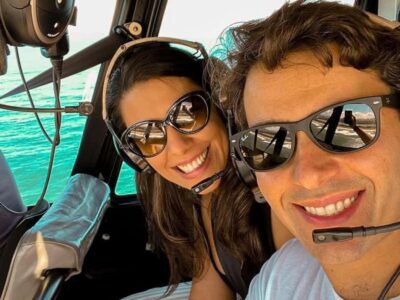
What I like most is the small group size (max five people), which means you’re not stuck staring at the same window angle as everyone else. I also love that you get real in-flight context, not just pretty views—your pilot gives insights as you go, so you understand what you’re seeing at each moment.
One thing to consider: this trip depends on weather. If visibility is poor, the flight may be changed or rescheduled, so it’s smart to build in flexibility rather than locking it to a single hard deadline.
In This Review
- Key highlights worth knowing before you go
- Reykjavik helicopter flight over Reykjanes: why it’s a smart use of time
- Price and value: is $648.24 per person actually worth it?
- Meeting point at Reykjavik Domestic Airport (RKV) and how to plan your arrival
- The five-guest setup: what “limited to five” changes in real life
- Stop 1: Lift off over Reykjavik and the climb toward Reykjanes
- Stop 2: Keilir, the cone-shaped volcanic landmark
- Stop 3: Fagradalsfjall crater area and lava formations (plus possible photo time)
- Stop 4: Over the Sundhnúkagígar fissure system—understanding the “why”
- Stop 5: Reykjanes UNESCO Global Geopark panoramic views
- Blue Lagoon from the air: geothermal pools against black lava
- What’s included (and what you’ll need to bring yourself)
- Safety, comfort, and the in-flight feel
- Who this helicopter tour is best for
- Should you book this Reykjanes helicopter tour?
- FAQ
- How long is the Helicopter Tour over the Reykjanes Volcano Area from Reykjavik?
- Where does the tour start and end?
- What’s the maximum group size?
- Is the tour offered in English?
- What is included in the price?
- What’s not included?
- Is there a weight limit?
- Does the flight require good weather?
- What’s the cancellation policy?
Key highlights worth knowing before you go
- Headset communication keeps your pilot’s commentary easy to hear during the flight
- Max five passengers gives you a more focused, less crowded feel
- Fagradalsfjall crater and lava formations are visible from above, with possible photo opportunities if conditions allow
- Sundhnúkagígar fissure system views connect the dots on the peninsula’s most recent activity
- Reykjanes UNESCO Global Geopark scenery spans lava, coast, and geothermal zones in one short flight
- Blue Lagoon from the air is a striking contrast against black lava fields
Reykjavik helicopter flight over Reykjanes: why it’s a smart use of time
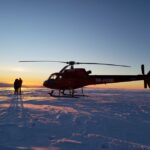
If you’re in Reykjavik with limited days, you need experiences that give you something you can’t easily DIY. A helicopter flight checks that box fast. In under an hour, you cover a huge chunk of the Reykjanes Peninsula’s volcanic story—from the city edge to the geothermal signature of the Blue Lagoon.
I like the format because it’s simple: lift off, follow the volcanic route, then return to the same meeting point. No long drives through weather, no waiting around for a bus line, and no guessing where to stand for the best view. You’re getting the “from above” perspective that makes Reykjanes click.
You can also read our reviews of more tours and experiences in Reykjavik.
Price and value: is $648.24 per person actually worth it?
At $648.24 per person for roughly 45 minutes to 1 hour, this isn’t a cheap add-on. But the value isn’t just “time in a helicopter.” You’re paying for a professionally run operation, an onboard pilot-guide who explains what you’re seeing, and the ability to fly over active-looking volcanic terrain without the usual ground-access limits.
Also, the included basics matter in Iceland. You’re not just buying flight time—you get coffee and/or tea, landing and facility fees, professional pilot-guide service, and in-flight headsets. The big trade-off is what’s not included: there’s no hotel pickup/drop-off, and you’ll need your own outdoor clothing and footwear.
So I think this is worth it if you want a high-impact view and you’re okay paying for it. If you’re trying to keep costs low, you’ll likely prefer a ground tour. But if you want the “wow” factor that only overhead vantage points deliver, this is one of the more direct ways to get it.
Meeting point at Reykjavik Domestic Airport (RKV) and how to plan your arrival
Your tour starts and ends at the Atlantsflug/Flightseeing base at Reykjavik Domestic Airport (RKV): Nauthólsvegur, 102 Reykjavík, Iceland. The location is near public transportation, which helps if you don’t want to rely on a taxi for a short timing window.
Plan to arrive with breathing room. Airports and small flight operations can move quickly when schedules shift due to weather. If you’re thinking about eating beforehand, remember that coffee and/or tea is included—so you can keep your costs down a bit, but don’t assume a full meal is part of the package.
The five-guest setup: what “limited to five” changes in real life
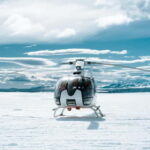
Max five travelers means you get more than just fewer people in the cabin. It usually changes the vibe: you’re less jostled for window angles, and it’s easier for the pilot to point out features while you’re actually able to look.
That showed up in the way the experience is described: the feeling of safety and the pilot’s effort to make sure everyone gets clear views. If you’ve ever been in a larger group where half the people are blocked by the same seating arrangement, you’ll appreciate how much easier it is to coordinate attention in a small group.
Stop 1: Lift off over Reykjavik and the climb toward Reykjanes
Right away, you leave the city behind. After lift off from Reykjavik, you get sweeping views of Reykjavik and the surrounding mountain backdrop as the helicopter climbs toward the Reykjanes Peninsula’s volcanic zone.
This opening stretch does two useful things for you. First, it gives you orientation—seeing how the city sits against the terrain helps you understand why Reykjanes is such a powerful geologic boundary. Second, it sets expectations: once you get above the harsh black-and-gray textures, you’ll recognize the same patterns later when you pass specific features.
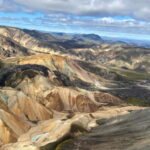
Stop 2: Keilir, the cone-shaped volcanic landmark
Then the flight heads toward Keilir, the distinctive cone-shaped mountain that rises sharply from surrounding lava fields. From above, Keilir isn’t just a pretty shape—it becomes a clear visual reference point. You can use it like a landmark on a map.
One of the underrated benefits of a short flight is that your brain doesn’t have to work as hard to “place” things. Keilir gives your eyes a target, which makes later lava formations and fissure systems easier to follow.
Stop 3: Fagradalsfjall crater area and lava formations (plus possible photo time)
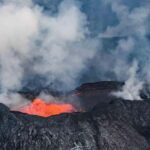
Next comes Fagradalsfjall: the crater area and lava formations created during the more recent eruptions. This is the part of the route where the scenery turns sharply from “volcanic-looking” to “here’s what the eruption actually did.”
If conditions allow, your pilot may choose a safe landing/viewing location in this region so you can take photos. That’s the key detail to pay attention to. It’s not guaranteed, but when it happens, it’s an extra layer of connection beyond the overhead window view.
Even without a landing, the aerial perspective helps you see flow patterns and the way lava has built rough textures over time. It’s one thing to read about an eruption; it’s another to watch how the land is shaped.
Stop 4: Over the Sundhnúkagígar fissure system—understanding the “why”
After Fagradalsfjall, you continue over the Sundhnúkagígar fissure system, linked to the peninsula’s most recent activity. The word fissure can sound abstract until you see it from above. Then it becomes a visible system—channels, breaks, and fresh volcanic features that explain how the land changes.
This is where the pilot-guide insight really matters. Headsets help you hear in-flight commentary clearly, so you’re not just looking at patterns—you’re learning what they mean as you fly over them. For me, this turns the trip from a photo stunt into a real learning experience without making it feel like a lecture.
Stop 5: Reykjanes UNESCO Global Geopark panoramic views
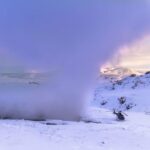
As you move along, you get broad panoramic views of lava fields, rugged coastlines, geothermal zones, and volcanic terrain tied to the Reykjanes UNESCO Global Geopark.
This section is valuable because it shows the full system, not just one eruption site. You’re seeing how geology connects to the coast and to geothermal activity, all within one concentrated flight route. It’s the kind of overview that helps you later when you look at a map or plan additional stops on your own.
If you’re the type who likes to understand where you are, this is a good match. If you just want visuals, it still works—you’ll have plenty to look at without needing to “study” anything.
Blue Lagoon from the air: geothermal pools against black lava
Near the end, you’ll spot the iconic Blue Lagoon from above. The contrast is the point: vivid geothermal pools set against the surrounding black lava fields.
From the ground, the Blue Lagoon is famous, but from the air it becomes a strong visual metaphor for Iceland itself—geothermal energy carving its own rules into a harsh landscape of lava. It also helps you make sense of why the area looks the way it does, beyond the branding.
Then you head back to Reykjavik, returning to the same meeting point where you started.
What’s included (and what you’ll need to bring yourself)
Included:
- Coffee and/or tea
- Landing and facility fees
- Professional pilot-guide
- Headsets for in-flight communication
Not included:
- Hotel pickup and drop-off
- Food and additional beverages
- Outdoor clothing and footwear
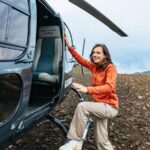
Here’s how I’d handle the “what to wear” part without overthinking it: Iceland weather can shift fast, and you’ll want layers. Even if your flight is short, you’ll be outside around the airport, and wind is part of the experience. Wear practical footwear and bring gear that won’t slow you down during quick check-ins.
Also note the passenger weight limit: total weight per passenger is listed as 265 lbs. If you’re near the limit, it’s worth double-checking before booking so you don’t run into problems later.
Safety, comfort, and the in-flight feel
The ride is short, but safety and communication matter a lot when you’re in a helicopter. The experience is designed to feel controlled and professionally run, with pilots giving clear guidance through the headset system.
Comfort is mostly about expectations. You’ll be in a small cabin with limited people, which makes it feel more personal, but you should still be ready for a “close to the action” feeling typical of smaller aircraft. If you’re sensitive to noise, bring your attention to the headset system—hearing the pilot’s explanation helps you focus on the story instead of the sound.
Also, confirmation happens at booking, and you’ll receive a mobile ticket. Good, modern stuff—less paperwork, fewer steps.
Who this helicopter tour is best for
This is a strong choice for:
- People who want Iceland’s volcano story in one focused outing
- Anyone who values overhead views that you can’t get from roads
- Visitors who like small-group experiences and clear pilot commentary
- Photo-minded travelers who want lava systems, fissures, and the Blue Lagoon in one sweep
It may be less ideal if:
- Your schedule is rigid and you can’t handle weather-related changes
- You don’t want to pay premium pricing for helicopter time
- You need hotel pickup or don’t want to manage airport logistics yourself
Should you book this Reykjanes helicopter tour?
I’d book it if you’re craving the “only from above” perspective. The route covers Keilir, Fagradalsfjall, Sundhnúkagígar, Reykjanes UNESCO Global Geopark, and the Blue Lagoon—so you’re not just flying over one point. You’re getting the volcanic logic of the peninsula in one short session, with pilot insights delivered clearly through headsets.
Skip it (or wait) if price is your main limiter or if you’re locked into a tight itinerary. Because this flight needs good weather, flexibility is your friend.
My bottom line: if you can handle the cost and you want maximum impact per hour in Iceland, this one is a good fit.
FAQ
How long is the Helicopter Tour over the Reykjanes Volcano Area from Reykjavik?
It runs approximately 45 minutes to 1 hour.
Where does the tour start and end?
It starts and ends at the Atlantsflug/Flightseeing base at Reykjavik Domestic Airport (RKV), Nauthólsvegur, 102 Reykjavík, Iceland.
What’s the maximum group size?
The tour has a maximum of five travelers.
Is the tour offered in English?
Yes, it is offered in English.
What is included in the price?
Included are coffee and/or tea, landing and facility fees, a professional pilot-guide, and headsets for in-flight communication.
What’s not included?
Not included are hotel pickup and drop-off, food and additional beverages, and outdoor clothing and footwear.
Is there a weight limit?
Yes. Total weight per passenger is listed as 265 lbs.
Does the flight require good weather?
Yes. It requires good weather, and if it’s canceled due to poor weather, you’ll be offered a different date or a full refund.
What’s the cancellation policy?
Free cancellation is available up to 24 hours before the experience start time for a full refund. If you cancel less than 24 hours before, it isn’t refunded.