REVIEW · KAIKOURA
Kaikoura: 1-Hour Whale Watching Helicopter Tour
Book on GetYourGuide →Operated by South Pacific Helicopters NZ · Bookable on GetYourGuide
Whales look different when you can see them from tip to tail. This 1-hour helicopter flight over Kaikōura gives you a high-speed view of sperm whales and other marine life, plus an alpine summit landing among the Seaward Kaikōura Range peaks. I like how the pilot and in-flight guide explain what you’re seeing in plain language, and I like that the aerial angle helps you watch without getting in the way. One possible drawback: the flight runs only in favorable weather, and the operator may shift the time/date from what you request.
You’ll ride in a small group (limited to 6), with headsets and life jackets, so the experience feels personal instead of chaotic. The price is steep at $792 per person, but you’re paying for a guided helicopter flight plus a mountain landing, not just a boat-style whale cruise. Still, if you’re prone to seasickness or you’re traveling with young kids, this one’s not a great fit.
In This Review
- Why This Helicopter Whale Tour Works in Kaikōura
- Key Things You’ll Notice on This Flight
- Price and Value: What $792 Buys You (and What It Doesn’t)
- Getting Started at Kaikōura Airport: Safety First, Then Off
- Over the Whale Sanctuary: Sperm Whales and Kaikōura Canyon
- The Coastal Sweep: Dusky Dolphins and Fur Seals
- Mt Fyffe Alpine Landing: Rugged Views at 1,600 Meters
- The Pilot and Guide Effect: Clear Explanations, Smooth Flying
- What to Bring (So You Don’t Freeze or Fumble the Shot)
- Timing, Weather, and the Reality of “Chance”
- Who This Tour Fits Best (and Who Should Skip It)
- Should You Book This 1-Hour Kaikōura Helicopter Whale Tour?
- FAQ
- How long is the Kaikōura whale watching helicopter tour?
- Where does the tour start and end?
- What wildlife might I see?
- Is the tour always guaranteed to see whales?
- What happens during the mountain part of the tour?
- What should I bring with me?
- What are the key restrictions for riders?
Why This Helicopter Whale Tour Works in Kaikōura
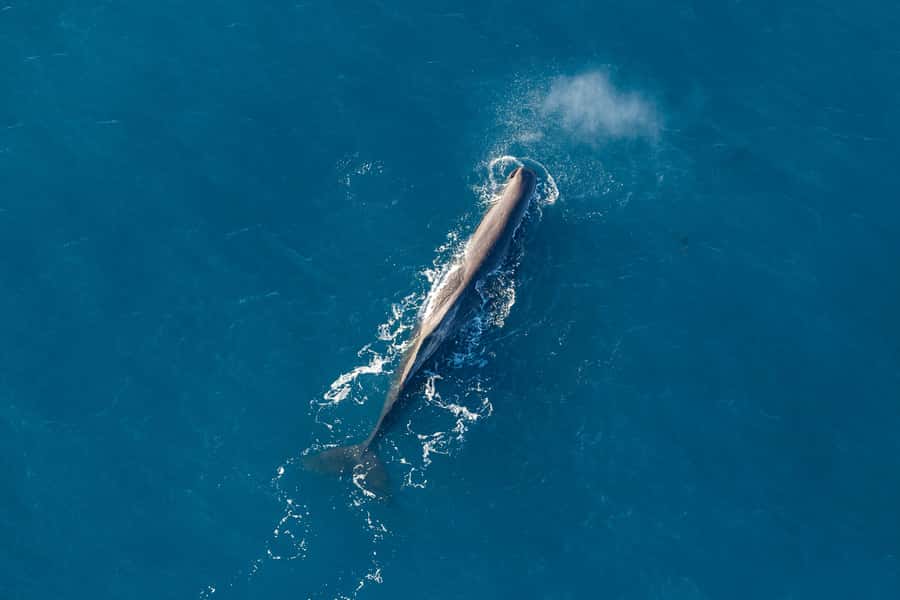
Kaikōura’s claim to fame is marine life that’s close to shore, and a helicopter turns that advantage into something you can actually digest in one hour. From the air, whales aren’t tiny moving dots—you can track the whole body, notice surfacing patterns, and watch what happens before a dive.
The tour also makes smart use of time. You don’t just fly around hoping for a lucky sighting. You’re guided along specific marine areas, then you finish with the Seaward Kaikōura Mountain Ranges landing at Mt Fyffe (1,600 meters). That means you’re not only buying wildlife viewing—you’re buying dramatic coast-to-mountains scenery in one go.
And the in-flight instruction matters. The tour’s local guide talks about Kaikōura and its marine wildlife, including the year-round population of sperm whales and the role of the underwater Kaikōura Canyon. That context turns a cool sighting into a real understanding of why this place works.
Key Things You’ll Notice on This Flight
- Sperm whales from above: you get tip-to-tail viewing, not just a brief spout.
- Kaikōura Canyon talk before the wildlife sweep: you learn what you’re seeing and where.
- Hikurangi Marine Reserve and Whale Sanctuary flying: the route is aimed at marine viewing time.
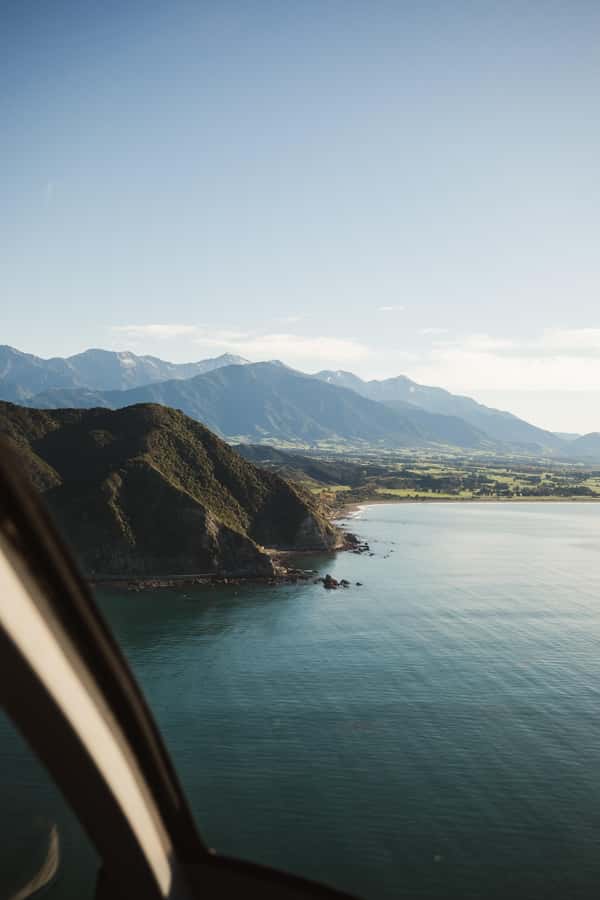
- Coastline pass over Kaikōura Peninsula: built-in chances for dusky dolphins and fur seals.
- Mt Fyffe alpine summit landing (1,600 m): rugged walking and big views of mountains, peninsula, and the Pacific.
- Seasonal snow landing potential: you might land in snow depending on the time of year.
You can also read our reviews of more tours and experiences in Kaikoura.
Price and Value: What $792 Buys You (and What It Doesn’t)
$792 per person is a splurge. There’s no hiding that. But in this case, the cost isn’t just for “seeing whales.” It’s for a guided helicopter experience that includes:
- A full 1-hour helicopter flight focused on marine wildlife viewing
- A mountain summit landing (not just flying overhead)
- In-flight commentary from a local guide
- Headsets and life jackets for comfort and safety
- Real-time flight tracking
You’re also traveling in a small group (max 6), which helps keep the experience calm and gives the pilot more flexibility to position the aircraft for viewing.
What’s not included is also worth stating plainly: food and drinks. If you want a snack later, plan ahead.
Finally, the “value” question depends on what you care about. If whales are your top priority and you want maximum viewing time in minimum hours, this setup can feel worth it. If you’d rather spend the day on the water, a helicopter may feel like a pricey detour—especially because the itinerary does include that mountain landing.
Getting Started at Kaikōura Airport: Safety First, Then Off
The tour departs from Kaikōura Airport Terminal, 617 State Highway 1, Peketa, Kaikōura. Expect a short, serious safety briefing before you lift off. The pilot also explains extra details, including information about sperm whale presence year-round and the underwater Kaikōura Canyon.
One practical detail that matters: you must be weighed at check-in due to aircraft weight restrictions. It’s quick, but it’s part of the process—so don’t show up late.
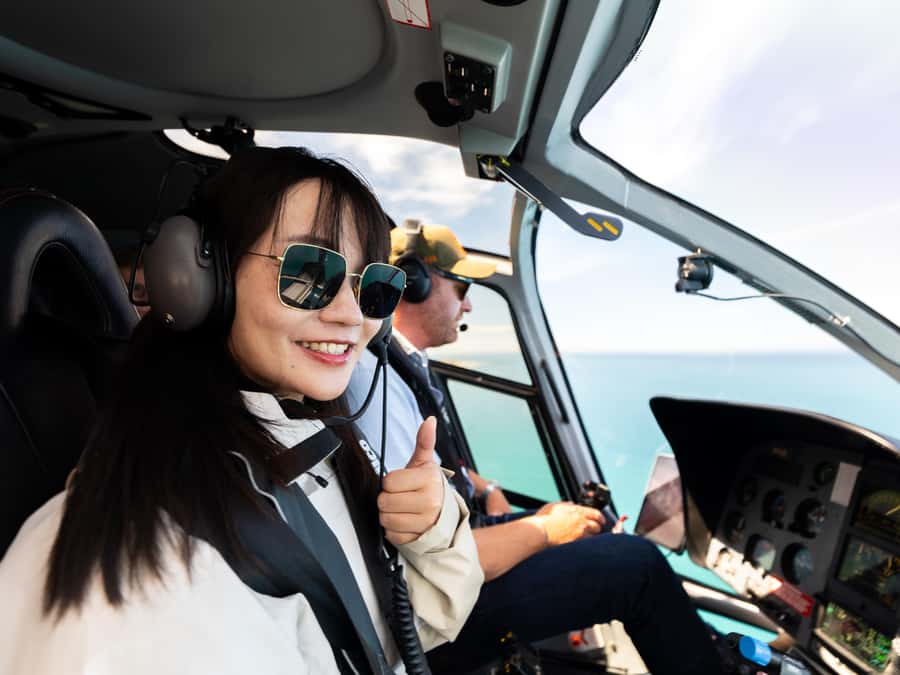
You’ll get headsets, which make the pilot’s directions and the in-flight guide’s commentary much easier to follow. You’ll also have life jackets, even though you’re flying. This is a helicopter tour, so comfort and safety gear are part of the package.
Over the Whale Sanctuary: Sperm Whales and Kaikōura Canyon
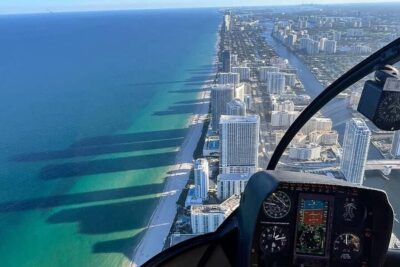
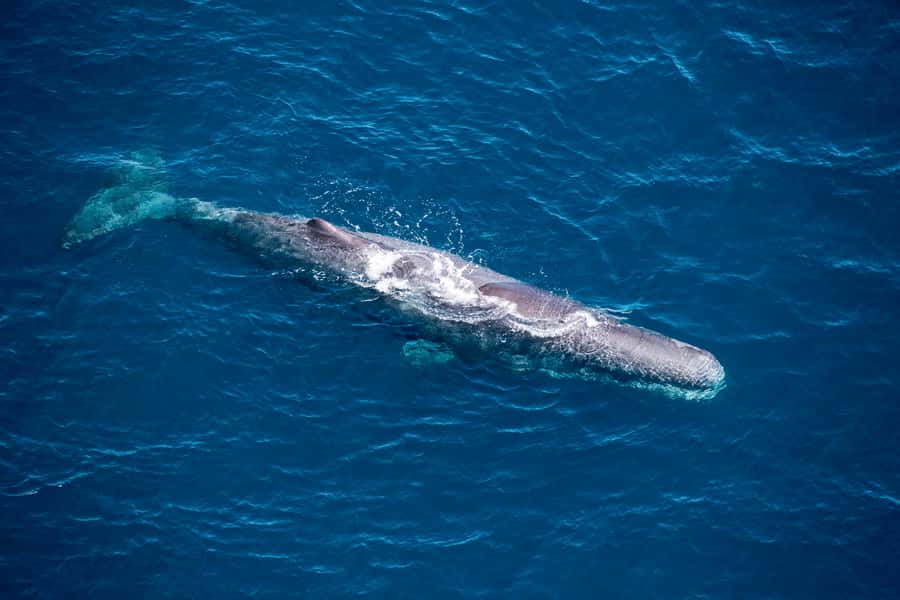
Once you’re airborne, the flight targets areas known for whale activity. You’ll head over the Whale Sanctuary and the Hikurangi Marine Reserve, with a real chance to spot sperm whales.
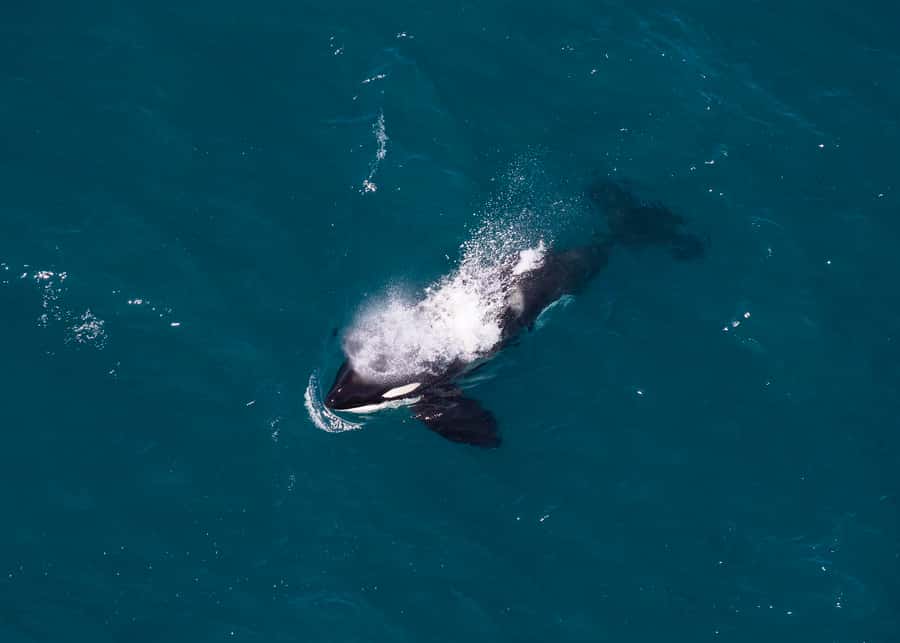
Here’s why the aerial angle is such a big deal: you’re not just catching a moment. From above, you can often view more of the animal—its body shape, the way it surfaces, and what it does before it disappears. That “watching” time is what you’re really paying for.
The tour also gives you the mental map early. Before you even lock into whale viewing, you’re told about the year-round sperm whale population and the unique Kaikōura Canyon. That matters because it helps you understand the “why” behind the sightings—this isn’t random luck from a random location.
Wildlife viewing is done in line with New Zealand’s Department of Conservation marine mammal regulations, so you’re not meant to push the animals around. The point of flying is to maximize your viewing time without disrupting natural behavior.
The Coastal Sweep: Dusky Dolphins and Fur Seals
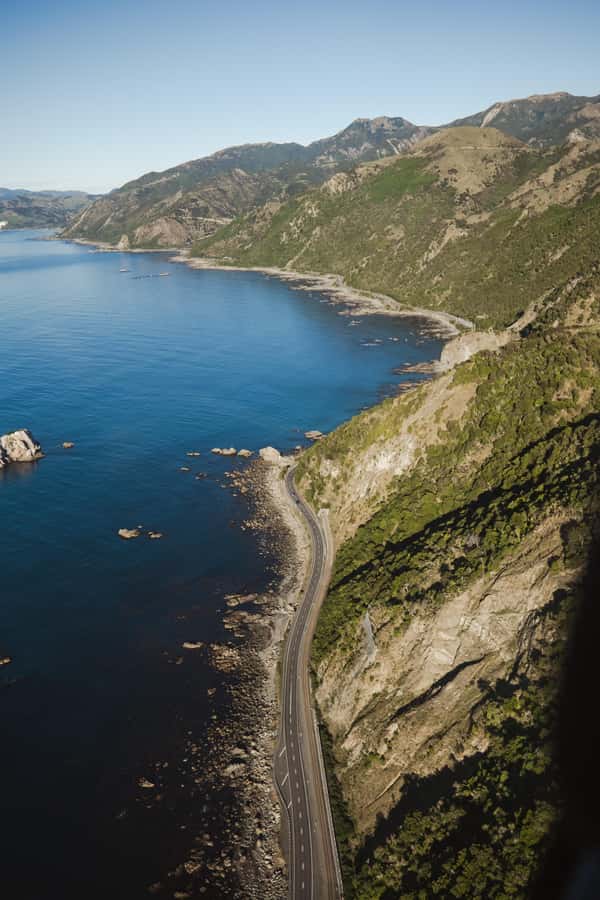
After the sperm whale segment, the route continues along the Kaikōura Peninsula coastline. This is when you keep your eyes on two other common highlights:
- Dusky dolphins
- New Zealand fur seals
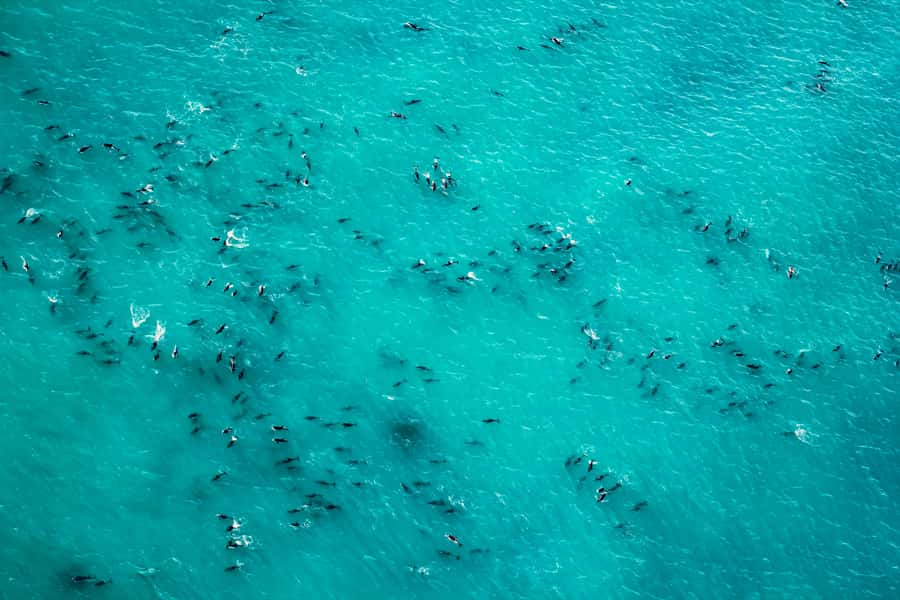
From the air, dolphins can look like they’re playing on the surface—fast, shifting, and easy to miss if you’re not scanning constantly. Fur seals, on the other hand, can be spotted in a more stationary way, which can make the coastline feel busy even when the whales aren’t surfacing at that exact moment.
Even if you don’t lock onto every species, this portion still has a payoff: you get a tight, guided tour of Kaikōura’s marine world in a way that a longer day on the ground can’t match. It’s all compressed into one coherent flight.
Mt Fyffe Alpine Landing: Rugged Views at 1,600 Meters
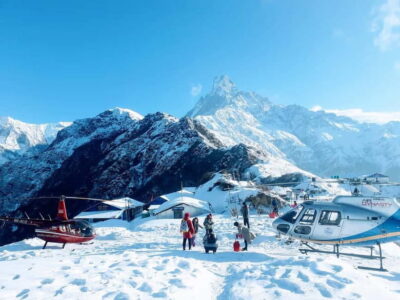
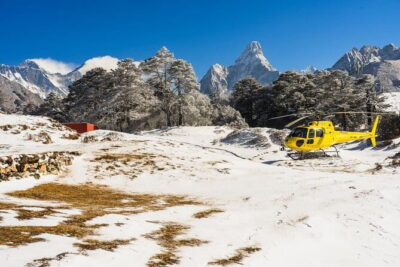
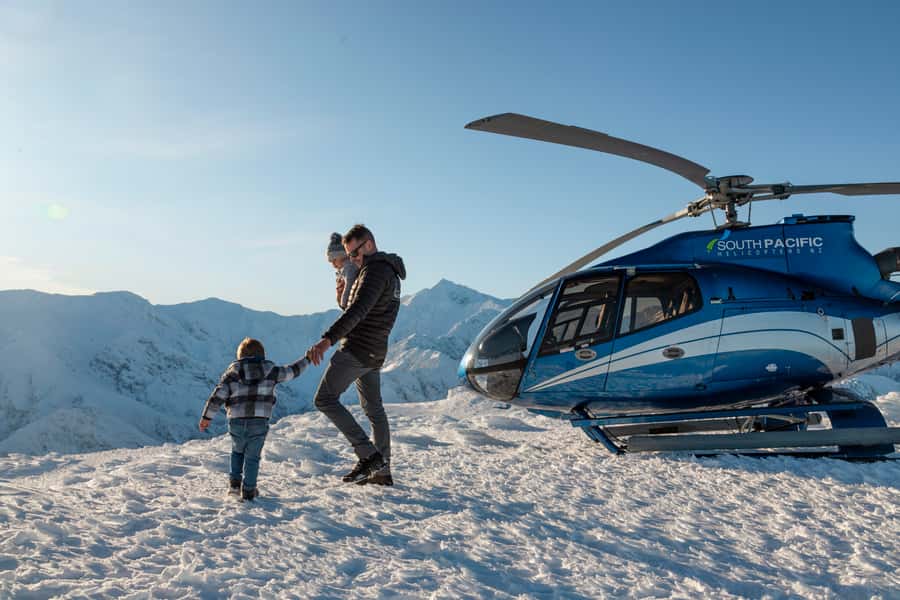
The best way to describe the final part is: it’s not just a photo stop, it’s a scene change. You end at the Seaward Kaikōura Mountain Ranges with an alpine landing on Mt Fyffe (1,600 meters).
You’ll get out and walk around on rugged, pristine land with big views back over the mountains, the peninsula, and the Pacific Ocean. This is one of those “wait, we’re actually here” moments that makes the helicopter feel like more than a transport trick.
Two details you should plan around:
- Weather can change fast in mountains. Wear layers and be ready for cold.
- The tour notes snow landing at certain times of the year. If conditions allow, you might land on snow, which can add a very different mood to the whole flight.
From a value standpoint, this landing is a key reason the tour feels different from whale-only options. You’re not spending your hour solely on marine viewing—you’re also collecting a dramatic New Zealand high-country perspective.
The Pilot and Guide Effect: Clear Explanations, Smooth Flying
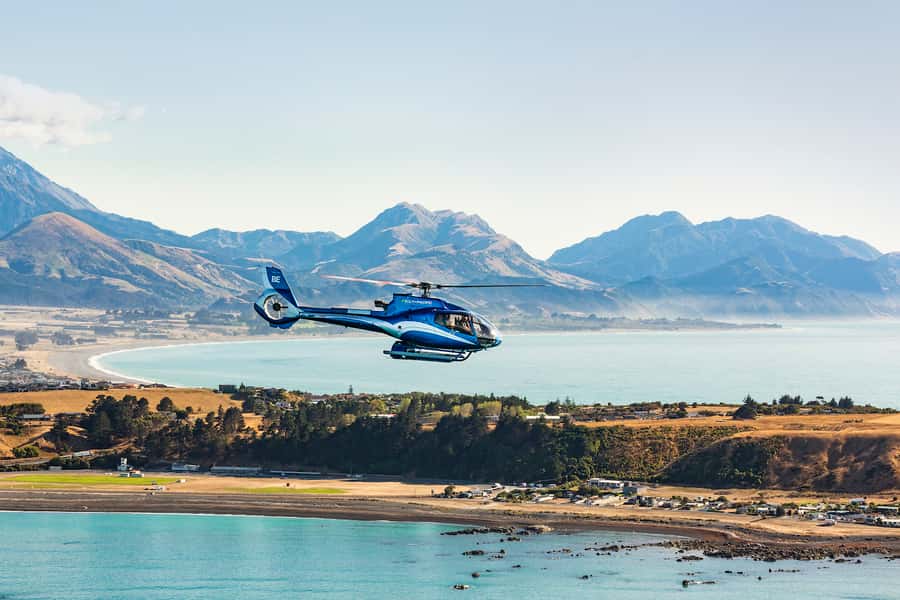
A helicopter tour lives or dies on the pilot. The good news here is that the tour includes an experienced pilot and an in-flight guide who knows the local marine story.
In particular, the guidance you get isn’t just generic narration. The tour covers whale behavior and timing—things like when whales surface and what happens as they dive. You’re also taught about the least invasive way to observe them without disturbing natural behavior.
The pilot’s job isn’t only flying—it’s positioning the aircraft for viewing and keeping things safe. Real-time guidance through headsets makes a big difference, especially when you’re trying to line up your camera or simply track the animal’s movements.
You’ll also get helpful local context while airborne. Some flights include extra points of interest such as the quake fault-line, landslide, and barrier lake—so you may end up with more than just whales on the mind.
What to Bring (So You Don’t Freeze or Fumble the Shot)
The tour’s suggested packing list is simple for a reason. Helicopter time is short, so you want to arrive ready.
Bring:
- Comfortable shoes (you’ll step out on rugged land)
- Warm clothing (mountain air can be chilly)
- Sunglasses and a sun hat (bright skies are common around coast-to-mountain routes)
- Camera (ideally with a lens you can use for wildlife)
- Water
A practical camera reality check: you’ll be in a moving aircraft and spotting fast wildlife. A faster shutter speed usually helps with motion, and burst mode can improve your chances. If you can, focus on capturing the moment rather than expecting perfect stillness.
Timing, Weather, and the Reality of “Chance”
This is one of the most important parts to understand before you book. The tour runs only with favorable weather, and the date and/or time may differ from what you request.
That can be frustrating if you’re trying to lock travel days tightly. So plan for buffer time. Think of the helicopter flight as a weather-dependent activity, not a guaranteed slot.
Also, whale viewing is described as a chance to see specific marine life—sperm whales, dusky dolphins, and fur seals—not a promise. You’re going to a region with strong wildlife odds, but the ocean doesn’t operate on your schedule.
Who This Tour Fits Best (and Who Should Skip It)
This experience is best for adults and older kids who want a high-impact wildlife and scenery flight in a single hour.
It’s a strong match if:
- You want maximum whale viewing time rather than a long boat day
- You care about learning what you’re seeing, not only sightseeing
- You like photography and want aerial tracking angles
It’s not suitable for:
- Children under 8
- People who are prone to seasickness
- People with mobility impairments (even though the tour also lists wheelchair accessible, it explicitly says it’s not suitable for mobility impairments—so you’ll need to follow operator guidance)
If you’re deciding between helicopter and boat, I’d think about your priorities. If you want the alpine landing and aerial wildlife viewing, the helicopter is the cleaner choice. If you’re okay with fewer viewing angles but want a cheaper outing, you might prefer a non-helicopter option.
Should You Book This 1-Hour Kaikōura Helicopter Whale Tour?
If your dream trip includes sperm whales plus mountain views, I think this tour makes sense. The biggest reasons are the aerial viewing angle (more complete sightings), the local in-flight guidance that explains what’s happening, and the Mt Fyffe summit landing that turns the experience into more than just marine sightseeing.
Book it if you:
- Can be flexible about timing due to weather
- Are comfortable with a short, intense outing
- Want a small-group experience with headsets and guided wildlife viewing
Skip it if you:
- Need a guaranteed, clockwork schedule
- Have strong motion sensitivity concerns
- Are traveling with kids under 8
For the right person, this is a very efficient way to see Kaikōura’s marine life and get that coast-to-peaks perspective in only an hour.
FAQ
How long is the Kaikōura whale watching helicopter tour?
The tour lasts 1 hour in total, including the flight and the mountain summit landing.
Where does the tour start and end?
It starts and ends at Kaikōura Airport Terminal, 617 State Highway 1, Peketa, Kaikoura.
What wildlife might I see?
You’re set up for chances to see sperm whales, dusky dolphins, and New Zealand fur seals from the air.
Is the tour always guaranteed to see whales?
The flight provides a chance to spot whales and other marine wildlife, but it’s not described as a guarantee. Whale viewing depends on conditions at sea and the circumstances of each flight.
What happens during the mountain part of the tour?
You land at the Mt Fyffe summit at 1,600 meters in the Seaward Kaikōura Mountain Ranges area. You can get out and walk around for views, and snow landings can happen at certain times of the year.
What should I bring with me?
Bring comfortable shoes, warm clothing, sunglasses, a sun hat, a camera, and water.
What are the key restrictions for riders?
The tour is not suitable for children under 8, people with mobility impairments, or people prone to seasickness. Also, travelers must be weighed at check-in due to aircraft weight restrictions.