REVIEW · AORAKI MOUNT COOK VILLAGE
Mount Cook: Tasman Glacier Helicopter Flight
Book on GetYourGuide →Operated by Glacier Helicopters · Bookable on GetYourGuide
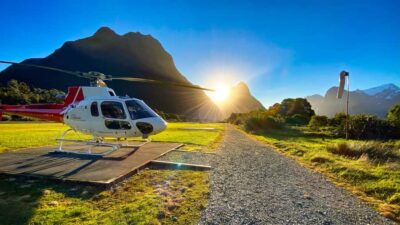
A glacier landing feels like a time machine. This 40-minute helicopter flight from Aoraki / Mount Cook gives you Tasman Glacier views plus a rare glacier landing experience. You’ll also get a birds-eye look at the Hochstetter Icefall as it spills down the mountainside.
Two things I really like about this setup are the scale you can see from above, and how the landing turns a view into an on-ice moment. The other big win is the small group size, limited to 5, which makes the whole experience feel calmer and easier to manage. One consideration: flights are subject to favorable weather, and delays or cancellations can happen.
In This Review
- Key Highlights I’d Prioritize
- Why This Mount Cook Glacier Flight Feels Different From Ground Views
- From Aoraki / Mount Cook Village to Glacier Helicopters Check-In
- Boarding the Helicopter: A Tight Small-Group Format
- Over the Tasman Glacier: Reading Neves, Crevasses, and Ice Texture
- The Hochstetter Icefall: Why an Icefall Is More Than a Waterfall Replacement
- Landing on the Glacier: The Moment You’ll Actually Remember
- Panoramas of Burnett Mountains and Mackenzie Basin
- Price and Value: Is $391 Worth 40 Minutes in the Air?
- Weather, Delays, and When You Should Keep Your Plans Flexible
- What to Bring for Glacier Cold, Bright Light, and Camera Time
- Who This Helicopter Flight Fits Best
- Should You Book Mount Cook: Tasman Glacier Helicopter Flight?
- FAQ
- Where is the meeting point for the helicopter flight?
- How long is the Mount Cook: Tasman Glacier Helicopter Flight?
- What does the price include?
- Is hotel pickup included?
- Is there a live guide?
- How big is the group?
- What should I bring?
- What affects whether the flight happens?
Key Highlights I’d Prioritize
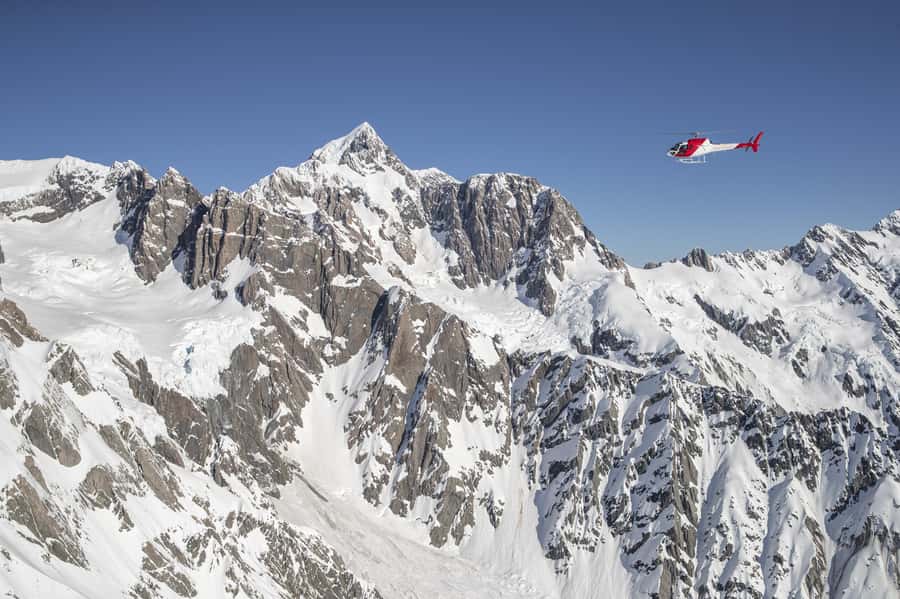
- Glacier landing on the Tasman for a real sense of place
- Hochstetter Icefall views from the air, plus big-time mountain geometry
- Neves and crevasses on the upper Tasman, formed over centuries
- Aoraki / Mount Cook views, including the Cloud Piercer vibe
- Burnett Mountains and Mackenzie Basin panoramas in one shot
- Small group (max 5) with an English-speaking live guide
Why This Mount Cook Glacier Flight Feels Different From Ground Views
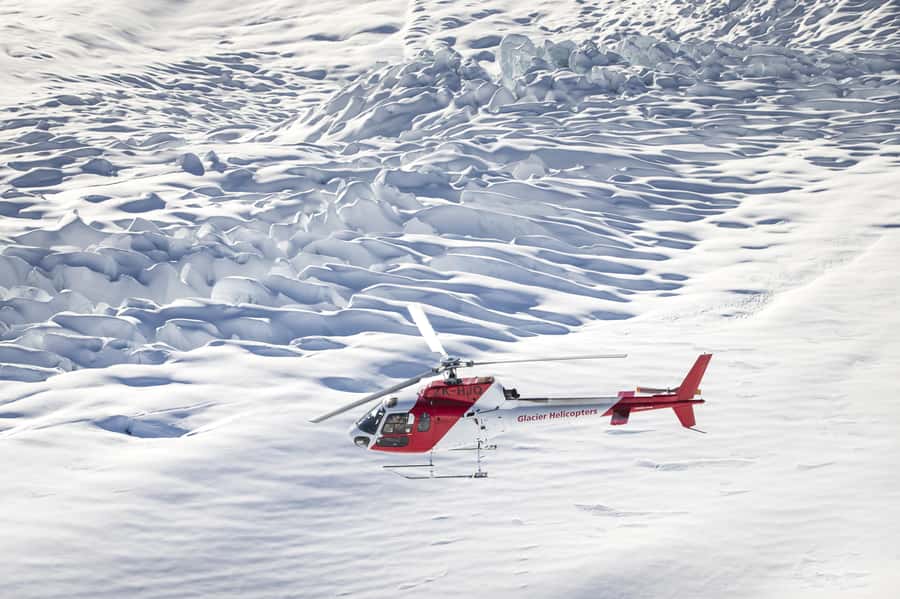
Aoraki / Mount Cook is famous for big scenery. But from the ground, it’s easy to get stuck on one angle—path, viewpoint, repeat. This flight flips that. You’re up high enough to read the glacier system like a map, and then you land so you can experience it as more than a photo op.
What makes it stand out is the combination of three kinds of viewing. First, you fly over the Tasman Glacier and the Hochstetter Icefall. Second, you explore parts of the upper ice with its neves and crevasses. Third, you step onto the glacier during an Alpine landing, which changes how your brain processes the scale.
It’s also a time-smart choice. At 40 minutes, you can fit a major bucket-list experience into a day without turning your whole schedule into a saga.
You can also read our reviews of more tours and experiences in Aoraki Mount Cook Village.
From Aoraki / Mount Cook Village to Glacier Helicopters Check-In
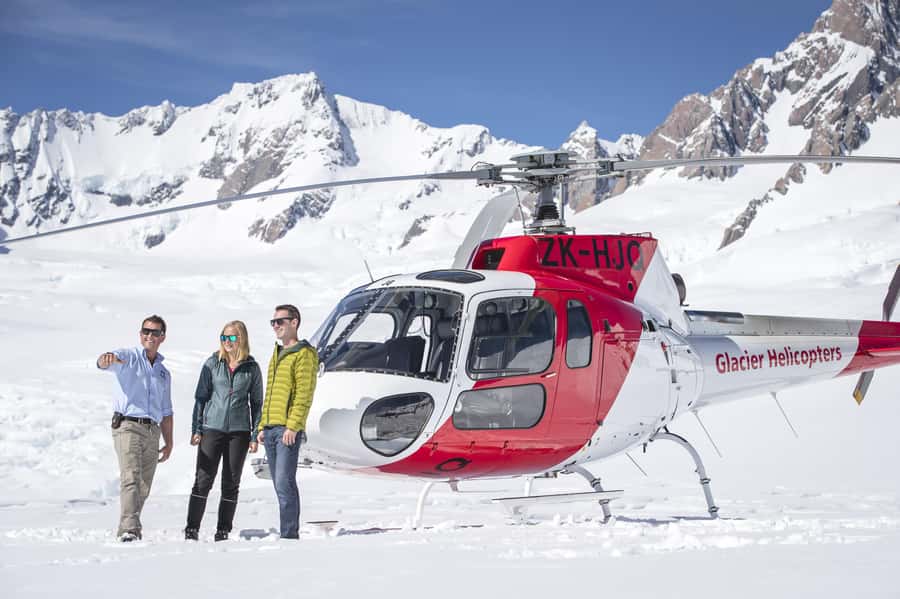
You meet at Glacier Helicopters Ltd, 81 Bowen Drive, Aoraki / Mount Cook Village. There’s no hotel pickup or drop-off included, so plan to get yourself there.
Check-in closes 30 minutes before departure, so you’ll want to arrive early enough to park, use the facilities if you need to, and stay calm. Helicopters don’t wait forever. And in this region, weather is a real factor, so if conditions are borderline, timing can shift.
Practical tip: dress like you expect wind. Even when the village feels fine, the air near the mountains can feel colder fast. Comfortable shoes matter too—because once you’re on ice, you’ll appreciate grip and stability.
Boarding the Helicopter: A Tight Small-Group Format
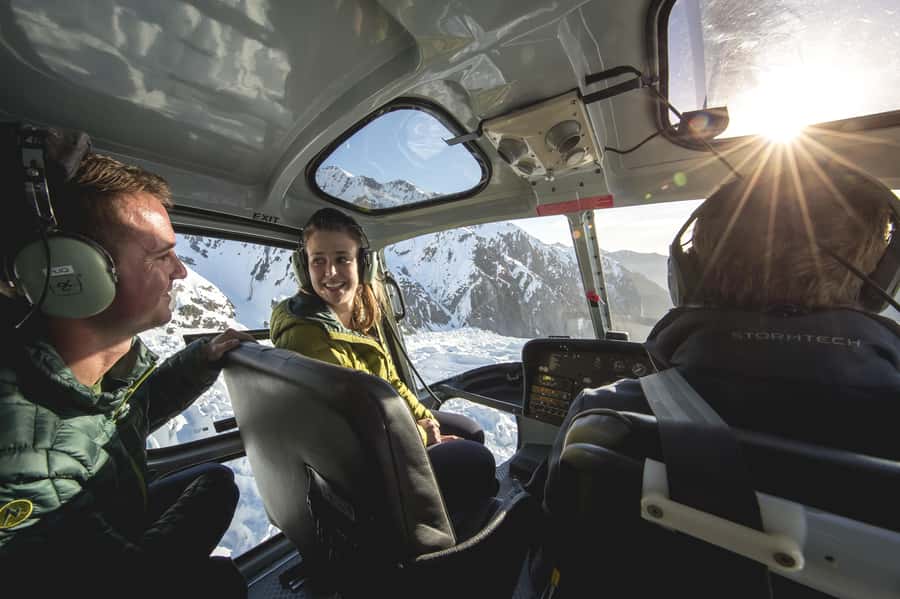
This is a small group, limited to 5 participants, and you’ll have a live tour guide in English. That matters more than you’d think. With fewer people, you’re more likely to get clear orientation—what you’re seeing, where to look next, and how to keep your camera ready without feeling rushed.
The flight also has a guided rhythm. You’re not just staring out a window. You’re moving from one glacier feature to the next, with context that helps you understand what you’re looking at—especially around the icefall and the upper glacier surface.
One detail worth noting from real-world experience: pilots can add a lot to the day by pointing out what’s changing and offering photo moments. In at least one recent experience, the pilot was described as very informative and supportive with photos, and the group had multiple chances to see the same views clearly from different angles.
Over the Tasman Glacier: Reading Neves, Crevasses, and Ice Texture
The flight centers on two main visual stars: the Tasman Glacier and the Hochstetter Icefall. From the air, the glacier doesn’t look like one flat sheet. You can see how it’s structured—how sections flow, how the surface breaks, and how different textures show up where ice has been shaped over time.
You’ll be exploring the upper Tasman Glacier, including neves and crevasses. Neves are older, compacted snow that have turned into dense ice, and seeing them from above helps you understand that glaciers are layered and evolving, not just scenery. Crevasses add a dramatic edge: they’re fractures in the ice, and from above they look like pale lines and cracks that map the glacier’s movement.
This is the kind of viewing that changes your photos for the better. Instead of random glacier shots, you can aim for “feature shots”—lines, flow patterns, and icefall angles that look almost geometric from above.
The Hochstetter Icefall: Why an Icefall Is More Than a Waterfall Replacement
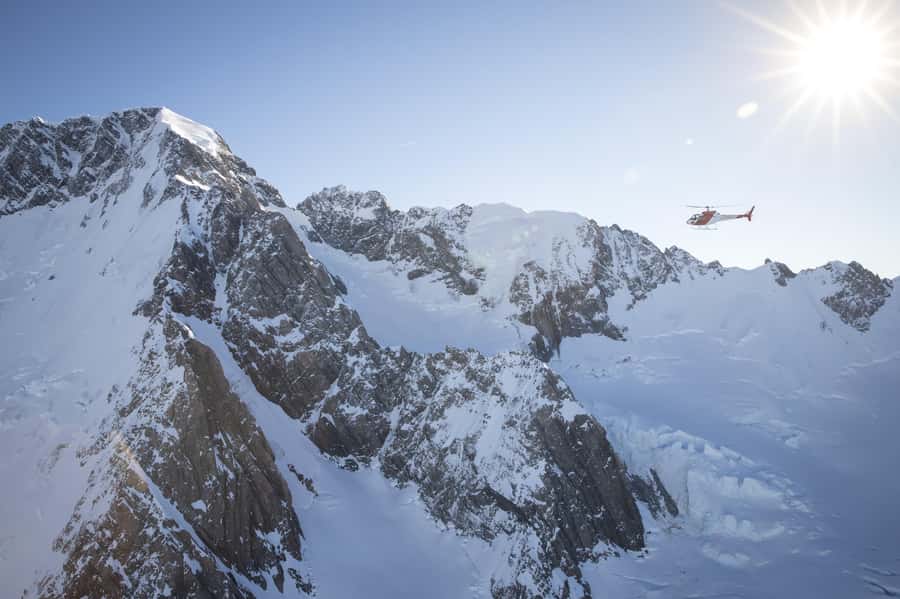
An icefall is the glacier’s version of steep terrain—ice that breaks and cascades as it moves downhill. The Hochstetter Icefall is one of those features that looks instantly dramatic from the helicopter window. You see it dropping down the mountainside, and the scale can be hard to grasp until you’re looking at it from height.
On the flight, the goal isn’t just to spot it once. You’ll get time to appreciate how the icefall interacts with the surrounding peaks, and how the glacier’s movement creates patterns you can track visually.
If you’re the type who likes seeing how nature creates shapes, this is a satisfying stop. It turns the word glacier into something physical and active. Ice isn’t still here—it’s moving, cracking, and reshaping the terrain as it goes.
Landing on the Glacier: The Moment You’ll Actually Remember
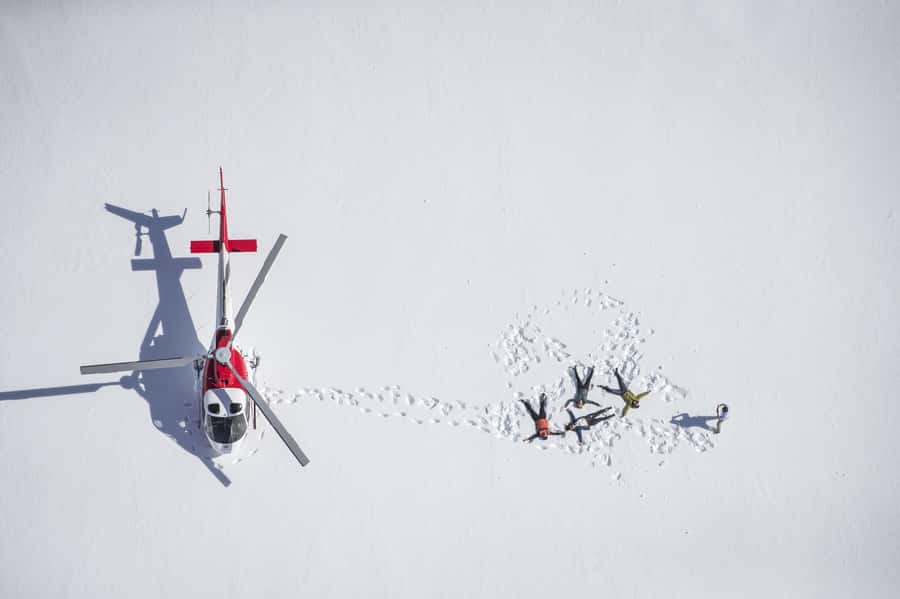
The biggest “how is this real?” moment is the Alpine landing—you land on the glacier and take in the view from ice-level. That changes everything. From the air, the glacier is a sculpture. On the ground, it becomes your environment.
You’ll be able to look out at Aoraki / Mount Cook, including that Cloud Piercer presence. Seeing it from ice-level also helps you understand height and distance. The peaks don’t feel like distant skyline anymore—they feel like you’re standing beneath them, with ice stretching out in every direction.
There’s also a mental reset that happens on glacier landings. You stop thinking in terms of quick photos and start paying attention to footing, wind, and the sheer brightness of the ice. If you’re prepared with warm layers and sunglasses, the experience becomes calm and focused instead of uncomfortable.
One more practical point: plan on wearing comfortable shoes and warm clothing. Even if it’s a clear day, glacier landing conditions can feel sharp. Your best day on ice is the one where you don’t have to think about your feet or cold hands.
Panoramas of Burnett Mountains and Mackenzie Basin
After you’ve taken in the glacier features, the view widens. You’ll admire expansive vistas of the Burnett Mountains and the Mackenzie Basin. This is where the flight expands from “glacier moment” into “big regional picture.”
These panoramas matter because the glacier doesn’t exist in a vacuum. You’re seeing a whole system of mountains and basins that shape weather and water flow over long time periods. When you look across the basin from above, you get a feel for scale that’s hard to replicate by road.
If you’re doing other Mount Cook activities that focus on walks or viewpoints, this pairs nicely. It gives you a wider, more airborne perspective that balances your day.
Price and Value: Is $391 Worth 40 Minutes in the Air?
At $391 per person for a 40-minute flight, this isn’t a budget activity. But helicopter time is expensive, and you’re paying for two major things that don’t happen in most sightseeing options: you’re landing on a glacier, and you’re getting guided aerial viewing of the Hochstetter Icefall and upper Tasman features.
Here’s how I’d judge value for your trip:
- If you want a glacier landing plus a high-context view, the experience is more than “scenery from above.” It becomes a guided, on-site moment on real ice.
- If you just need a few photos, a ground viewpoint might be cheaper. But it won’t give you icefall angles and crevasse structure the same way.
Also, the small group size (max 5) helps justify the price. It’s not a cattle-car situation. Your guide can point things out and keep everyone oriented.
So yes, it’s pricey. But it’s also one of those experiences where paying for access and landing time is the whole point.
Weather, Delays, and When You Should Keep Your Plans Flexible
This activity is subject to favorable weather conditions. That means your day can run later than planned, or in worst cases the flight can be canceled. In one recent experience, the departure was later than scheduled due to weather, and the pilot was still described as very informative and helpful with photos and view opportunities. That’s the best-case scenario: you get the experience, just shifted.
On the flip side, there’s also at least one account of a cancellation, with frustration about refund timing. The takeaway for you: don’t stack this as the only “must-do” on a tight schedule. Give yourself buffer days around it, especially if your itinerary has tight downstream connections.
A simple mindset helps: you’re booking a mountain weather experience, not a guaranteed lab experiment.
What to Bring for Glacier Cold, Bright Light, and Camera Time
You’ll want to dress and pack for cold air, glare, and movement. Here’s what’s specifically recommended:
- Comfortable shoes
- Warm clothing
- Sunglasses
- Camera
- Sunscreen
- Comfortable clothes
Sunglasses and sunscreen are easy to forget—until you’re standing on bright ice. The glare can be intense, and sunglasses make a big difference for comfort and photo control.
If you’re planning on camera gear, think about how you’ll hold it during the flight. You don’t want to be stuck wrestling straps or bags when the best angle is happening.
Also, smoking isn’t allowed. Keep it simple and follow crew guidance.
Who This Helicopter Flight Fits Best
This is a strong match if:
- You want a glacier landing and aren’t satisfied with just looking at ice from a distance
- You like guided nature moments where the guide can explain what you’re seeing in plain terms
- You’re short on time but want a high-impact experience near Aoraki / Mount Cook
It’s also a good fit for people who want a calmer group day. The cap of 5 participants means less crowding and fewer “everyone point at the same thing” moments.
If you’re the type who needs total control over exact timing, keep your expectations realistic. The weather dependency is real here. Build flexibility into your schedule and you’ll enjoy the day more.
Should You Book Mount Cook: Tasman Glacier Helicopter Flight?
I’d book it if glacier landings and the Hochstetter Icefall are on your list, and you want the kind of experience that turns a scenic area into a memory. The combination—airborne feature viewing, upper glacier exploration, and an ice-level Alpine landing—is exactly what makes this worth considering.
Skip it only if you’re trying to keep costs low or you’re already fully satisfied with ground viewpoints and short walks around Mount Cook. For many people, this is the “big lift” activity of the region. For others, it’s a splurge.
My final advice: if you book, give yourself schedule breathing room. That way, if the helicopter runs late—or even needs to cancel—you’re not panicking, and you can handle the day like a pro.
FAQ
Where is the meeting point for the helicopter flight?
You check in at Glacier Helicopters Ltd, 81 Bowen Drive, Aoraki / Mount Cook Village, New Zealand.
How long is the Mount Cook: Tasman Glacier Helicopter Flight?
The duration is 40 minutes.
What does the price include?
It includes an Alpine glacier landing and panoramic views.
Is hotel pickup included?
No. Hotel pick up and drop off are not included.
Is there a live guide?
Yes. There is a live tour guide in English.
How big is the group?
The group is small, limited to 5 participants.
What should I bring?
Bring comfortable shoes, warm clothing, sunglasses, a camera, sunscreen, and comfortable clothes.
What affects whether the flight happens?
The flight is subject to favorable weather conditions, and check-in closes 30 minutes before departure.