REVIEW · KATHMANDU
Everest Base Camp Helicopter Tour
Book on Viator →Operated by Travel Pinto · Bookable on Viator
Everest Base Camp by helicopter is the fast lane to big dreams. You get a short Everest flyover and the chance to land at Base Camp or Kalapatthar (depending on helipad conditions), all without weeks of trekking.
I especially like the small logistics that make the day smoother: hotel pickup and drop-off, plus a route that works in fuel stops and view points. Another win is the way the operator handles group seating, including a Pheriche split so more people can get window seats for the Everest portion.
The main consideration is weather and landing conditions. This is a flight-first experience, so what you see on the ground can change, and the day needs flexibility. If you’re also spending time in Kathmandu, I’ve seen strong guide feedback tied to the same operator ecosystem, including names like Bishal, Bashu, and Mohan for making the region feel real, not just scenic.
In This Review
- Key things to know before you book
- Entering the 7:15 a.m. rhythm in Kathmandu
- What that means for you
- Flight route logic: why Lukla and Pheriche matter
- The Pheriche split for window seats
- Base Camp vs Kalapatthar: what helipad conditions decide
- Ground time reality check
- Syangboche Marg and the Hotel Everest View breakfast stop
- How to treat this stop
- The best part: the view chain you can actually plan around
- A small but helpful expectation
- Group sharing (5–6 passengers) and the window-seat gamble
- The trade-off
- Price and value: why $1,700 can still make sense
- A reality check on “time at Everest”
- What to wear and pack for -5°C to -10°C moments
- Weight limit matters more than you think
- Weather rules: why your day needs flexibility
- Who should choose this helicopter tour
- Should you book the Everest Base Camp Helicopter Tour?
- FAQ
- How long is the Everest Base Camp helicopter tour?
- Where does the tour start and what time do you meet?
- How long is the actual helicopter flight time?
- Is hotel pickup and drop-off included?
- Is the tour shared or private?
- How many people are in the group?
- What landing points are possible?
- Is breakfast included?
- Are park fees and taxes included in the price?
- What are the weight and child guidelines?
Key things to know before you book
- This is a helicopter day, not a long sightseeing tour: plan for a 4–6 hour block, with flight time measured in minutes.
- Your landing point can change: the plan includes Base Camp or Kalapatthar, based on helipad conditions and what the day allows.
- Window seats are part of the strategy: when groups are larger, a Pheriche split helps more passengers sit on the side with the best views.
- You’ll touch multiple airports/areas: Kathmandu → Lukla (fuel) → a mid-route split point like Pheriche → viewpoint/breakfast area → back to Kathmandu.
- Bring warm layers even in warmer months: the higher points are around -5°C to -10°C.
- Budget for compulsory fees: national park, airport tax, and Khumbu village development fees are around $50 extra.
Entering the 7:15 a.m. rhythm in Kathmandu
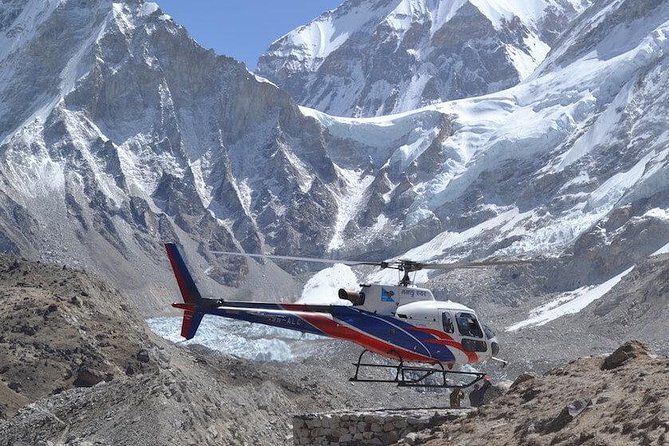
This tour starts early, around 7:15 am, and it’s designed around flight operations, not your favorite lie-in moment. That early pickup matters because helicopter schedules depend on clear weather, and the operator has to build time for routing and fuel.
The value here is simple: you don’t spend your morning bargaining for taxis or hunting down the right office. Hotel pickup and drop-off are included, and you just share your hotel name and address so they can set the pickup time.
You can also read our reviews of more tours and experiences in Kathmandu.
What that means for you
If you’re visiting Nepal for a short time, the early start can actually feel efficient. You get a huge “Everest moment” while the rest of the city is still waking up.
If you hate early mornings, plan a recovery meal afterward. Also, keep your phone charged and have your passport copy ready (a picture on your phone works).
Flight route logic: why Lukla and Pheriche matter
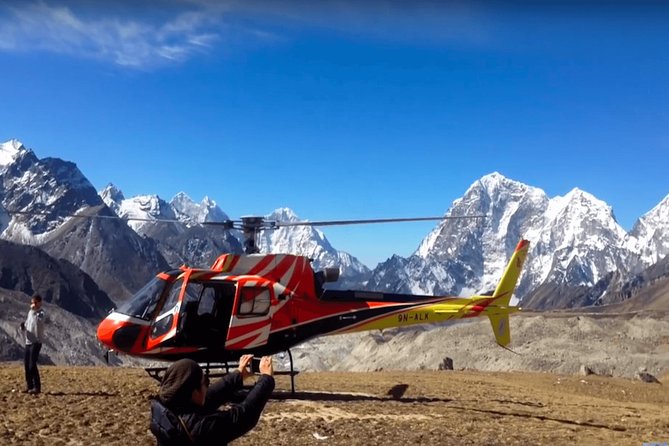
The route is built around how helicopters actually move in the Everest region. You start from Kathmandu airport, then you fly toward the Everest Base Camp area with a flyover of the key viewpoints. After that, the plan continues to Lukla airport for a quick fuel drop.
That Lukla stop is only about 10 minutes, but it’s important. Fuel stops can change timing, and in this part of Nepal, they’re part of the reality of aviation. Think of it as the behind-the-scenes work that protects your chances of making it to the good view portions.
The Pheriche split for window seats
One of the most interesting operational details is what happens when the group is larger than about three people. The day may include a stop at Pheriche as an (old) splitting point, where people can be flown in smaller groups so you’re more likely to get window seats for the Everest Base Camp part.
If you care about photos and video, this is a big deal. The Everest region rewards the right side of the aircraft, and this split approach is basically the operator trying to give more people the best angles.
Base Camp vs Kalapatthar: what helipad conditions decide
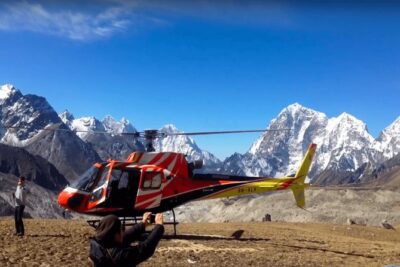
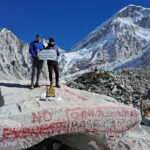
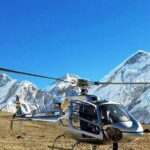
Your dream landing is either Everest Base Camp or Kalapatthar—and that depends on helipad conditions. That single line changes how you should think about the whole day: you’re not guaranteed one exact spot at the top.
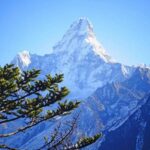
What you can count on is the flyover and the chance for strong sightlines. The plan highlights clear views of major peaks like Mount Everest, Lhotse, Nuptse, and Pumori. In plain terms: even when landings shift, the helicopter gives you the kind of perspective you can’t get from a road trip.
Ground time reality check
The flight is short (flight time is listed as 1 to 2 minutes on the overview), and the “tour” elements are built into quick stops rather than long stays. So if you’re expecting a relaxed, hours-long Base Camp stroll, you’ll be disappointed.
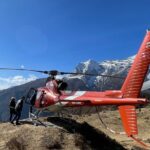
You should see the helicopter landing portion as a tight, high-impact moment: step out (when possible), shoot photos, feel the altitude-adjacent drama, then get back in for the rest of the route.
Syangboche Marg and the Hotel Everest View breakfast stop
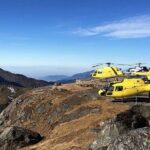
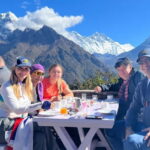
At Syangboche Marg, you land at a breakfast point during the flight. There’s also a stop at Hotel Everest View, subject to weather. Typically, they allow around one hour there.
Breakfast is not included. The plan states you should carry USD $31 per person for a set breakfast, and it depends on the weather.
How to treat this stop
This isn’t just about eating. It’s a practical reset point where you can:
- warm up (or at least try to)
- use the bathroom if the stop allows it
- grab a few more shots from a more stationary vantage
But it’s also where weather can “make or break” the comfortable part of the day. If clouds roll in, you might not get the same experience.
The best part: the view chain you can actually plan around
Here’s what makes this experience feel worth the money to many people: it’s not one view. It’s a chain of views, stitched together by air routing.
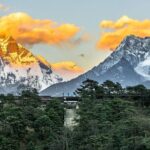
On the way, the flyover gives a clear opportunity for photos and video, with notable peaks visible: Pumori, Lhotse, Nuptse, and Mount Everest. Then you add the possibility of landings and that mid-route “break” area around Syangboche.
This matters because it increases your odds. If the sky isn’t perfect over one exact point, the helicopter often still delivers something strong across the route.
A small but helpful expectation
Your biggest photos will likely happen quickly. Keep your camera ready before doors open or before the aircraft lines up. The best angle can come and go in minutes.
Also, bring something for cold hands. Even if you’re not trekking, you’ll feel the chill when the helicopter starts and when you stop.
Group sharing (5–6 passengers) and the window-seat gamble
This is operated as a joining group sharing format, listed as 5–6 passengers and a pilot. In the itinerary, there’s an emphasis on window seats, especially for the Everest segment.
If you’re traveling with others, the upside is it can be easier to manage costs than going fully private. If you’re traveling solo, you’re not stuck waiting for a full custom group to form—confirmation is handled at booking, and there’s a maximum of 6 travelers for the activity.
The trade-off
Sharing means you’re sharing timing, not just seats. If the group needs a split (like the Pheriche approach), your “who sits where” can feel more structured than random. That’s good for view goals, but you should still expect a little waiting between pieces of the flight plan.
If you’re the type who hates uncertainty, consider asking about a private option. The operator states they operate both sharing and private tours, and that may reduce some of the group-management effects.
Price and value: why $1,700 can still make sense
At $1,700, this is not a budget activity. But it can be good value when you think about what you’re buying: time, access, and a high probability of seeing the Everest skyline without the physical grind.
You’re getting:
- hotel pickup and drop-off
- a full helicopter routing day plan (not just a single ride)
- multiple landing points and view angles
- a pilot on board throughout the flight portion
- a schedule that targets key Everest viewpoints
Then you also have to budget the extras:
- compulsory national park, airport tax, and Khumbu village development fees around $50
- optional breakfast at USD $31 if you stop at Hotel Everest View
- warm clothing (you may already have it, but you should plan for it)
A reality check on “time at Everest”
The flight time is listed as 1 to 2 minutes, and the itinerary includes quick stops rather than long durations at each place. That doesn’t make it “cheap,” but it does explain the pricing: you’re paying for aerial access and operational risk, not for a long guided day at the destination.
If you want hours of Base Camp time, this probably won’t satisfy that. If you want the Everest moment quickly and efficiently, it can.
What to wear and pack for -5°C to -10°C moments
Even though this is a helicopter tour, you still need to think like you’re going to cold air. The guidance says to bring warm dress for around -5°C in summer and -10°C in winter for higher points only.
Practical pack list:
- warm layers you can move in
- gloves (for handling camera gear)
- a hat or hood
- sunglasses (wind + brightness can be sneaky at altitude)
- your passport copy (phone picture is fine)
Weight limit matters more than you think
There’s a maximum body weight limitation listed as 95 kg (and it also gives 209 lbs). If you’re over 100 kg, there’s an extra payment requirement. This is one of those details that can ruin a trip if you wait until the last minute, so check your weight before you book.
Weather rules: why your day needs flexibility
This experience requires good weather, and the operator notes that it’s canceled if conditions are poor. The practical effect is: you should not build this tour as the single non-negotiable event of your Nepal trip.
Also, the landing plan depends on helipad conditions, so weather doesn’t just affect whether you fly—it can also affect where you land.
If you can keep at least a little flexibility in your schedule, you’ll feel less stressed about the whole process.
Who should choose this helicopter tour
This fits best if you:
- want Everest views without trekking
- have limited time in Nepal
- care more about the aerial perspective than long ground hours
- are comfortable with a schedule that depends on weather
It may not fit you well if you:
- want a long, slow nature day
- dislike any uncertainty (landing location can shift)
- have trouble with cold conditions, even brief stops
The activity also isn’t recommended for children under 10 years old, and it calls for a moderate physical fitness level. That’s mainly about your ability to handle the cold and the fast-moving day structure, not hiking.
Should you book the Everest Base Camp Helicopter Tour?
Book it if you’re chasing the Everest dream and you want the shortest path to dramatic views. The mix of pickup convenience, multiple view opportunities, and the operator’s attention to window-seat logistics makes the day feel intentionally planned rather than random.
Skip it (or reconsider) if you need guaranteed Base Camp time on the ground, or if your calendar is tight enough that a weather change would cause major stress. This is a weather-first flight day, not a fixed-itinerary museum tour.
If you do book, do three things: pack warm, confirm your weight details, and keep your schedule flexible. That combination turns a helicopter day from a gamble into a great story.
FAQ
How long is the Everest Base Camp helicopter tour?
The tour duration is listed as approximately 4 to 6 hours.
Where does the tour start and what time do you meet?
It starts from Kathmandu airport with a stated start time of 7:15 am.
How long is the actual helicopter flight time?
The overview lists flight time: 1 to 2 minutes.
Is hotel pickup and drop-off included?
Yes. Hotel pickup and drop-off are included. You need to share your hotel name and address for the pickup time.
Is the tour shared or private?
The operator says it offers both sharing and private tours, and the described format includes a joining group sharing setup.
How many people are in the group?
The activity lists a maximum of 6 travelers.
What landing points are possible?
The experience says it can land at Everest Base Camp or Kalapatthar depending on helipad conditions, and the itinerary includes multiple landing points and a stop at Syangboche Marg.
Is breakfast included?
Breakfast is not included. If the stop at Hotel Everest View happens, it’s listed as a set breakfast with a suggested carry amount of USD 31 per person, subject to weather.
Are park fees and taxes included in the price?
No. The tour lists compulsory national park, airport tax, and Khumbu village development fees around $50 as not included.
What are the weight and child guidelines?
The weight limit is listed as 95 kg (209 lbs), and if you’re more than 100 kg you need to pay extra. It also says it’s not recommended for children under 10 years old.