REVIEW · KATHMANDU
Everest base camp trek & Heli return
Book on Viator →Operated by Himalayan Mentor · Bookable on Viator
One week to chase Everest views. This fast, focused trip pairs a classic Everest base camp hike with a one-way return by helicopter, so you spend less time retracing steps and more time seeing the peaks.
What I like most is the sense of momentum. You start early, gain altitude gradually enough to function at altitude, and still reach base camp and Kala Patthar without turning it into a two-week grind. Another big plus is the human factor: you travel with an English-speaking, government-licensed guide and a small group size (up to 15), which makes it easier to ask questions and move at a realistic pace—especially when the air feels thin. One consideration: flights into Lukla and the helicopter ride back depend on weather, so build in flexibility.
In This Review
- Key details that matter before you go
- The one-week Everest formula: trek up, helicopter down
- Price and what you actually get for $3,195
- Meeting point and start time: you’ll feel the early start
- Day 1: Kathmandu to Lukla, then Phakding at 2,600m
- Day 2: Phakding to Namche Bazaar (3500m) and taking it easy
- Day 3: Namche to Tengboche (3870m) through rhododendron country
- Day 4: Tengboche to Dingboche via Deboche and Imja Khola
- Day 5: Dingboche to Lobuche, with the big peak lineup
- Day 6: Lobuche to Everest Base Camp via Gorakshep, then back to Gorakshep
- Day 7: Kala Patthar at 5,545m, then helicopter to Kathmandu
- Lodges and meals: simple, reliable, and built for hikers
- Weather, flights, and how to stay calm when the mountains decide
- Who this trek suits best (and who should reconsider)
- Should you book this Everest base camp + heli return trek?
- FAQ
- FAQ
- Where is the meeting point in Kathmandu?
- What time does the trip start?
- Are airport transfers included?
- How do you get to and from the trekking route?
- What meals are included?
- Are trekking permits included?
- What fitness level do I need?
- Is this experience refundable?
Key details that matter before you go
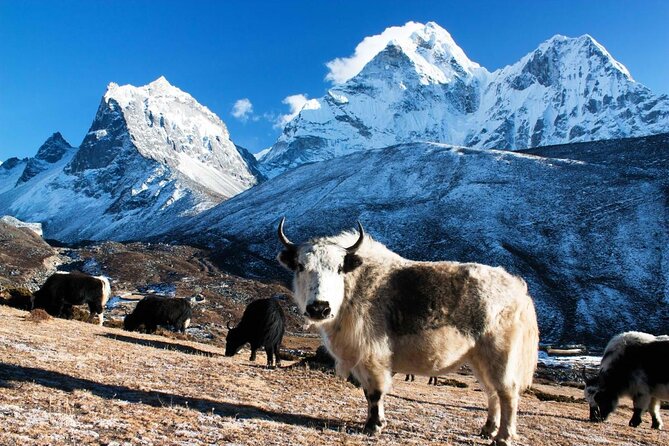
- Lukla to start fast: you fly from Kathmandu to Lukla on day 1, then begin trekking the same day
- Kala Patthar + base camp in a week: you hit both without extra days for the usual long return hike
- Small-group feel: a maximum of 15 travelers helps your guide manage pace and logistics
- Guide support on the ground: your trek is led by an English-speaking, government-licensed guide (many past trips have featured guides like Padam)
- Heli return from Gorakshep: you don’t need to walk the full downhill back to Kathmandu
- Tea-house lodging nightly: included overnights keep the trip practical, even if comfort is basic
The one-week Everest formula: trek up, helicopter down
This is a short Everest base camp program, which changes how you experience the mountains. Instead of slowly creeping for many days and then spending a long time descending, you’re moving with intention—getting you to Everest base camp and the viewpoints that steal the show (Gorakshep and Kala Patthar) within seven days.
The schedule is also designed around altitude reality. You’re not rushing straight to the highest points. You start at Lukla and spend your first days on the middle elevations, with time to explore Namche Bazaar, then gradually climb toward Dingboche and Lobuche. You’ll still feel the altitude, but the route gives you a fighting chance to handle it.
The tradeoff with a one-week itinerary is that you’ll be more time-bound. When weather affects flights, the helicopter option can be affected too. The best mindset is to treat it like a mountain trip where the plan is strong, but the air is in charge.
You can also read our reviews of more tours and experiences in Kathmandu.
Price and what you actually get for $3,195
At $3,195 per person, this isn’t a budget hike. But you are paying for two expensive parts of the equation: the flight to Lukla and the helicopter ride back from Gorakshep, plus guide support and permits.
Here’s what’s covered:
- Airport transfers in Kathmandu (pick up and drop upon arrival and departure for the trek)
- Tea-house lodge overnight accommodation
- Trekking permits and entrance fees
- English-speaking, government-licensed guide and supporting staff
- Kathmandu to Lukla flight
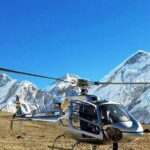
- Gorakshep to Kathmandu helicopter
- Meals: 6 breakfasts, 6 dinners, and lunches listed as 6
What’s not covered:
- Your hotel in Kathmandu before and after the trek
- Personal expenses like charging, Wi-Fi, beverages, mineral water, and hot showers
- Travel insurance and emergency evacuation cost
- Personal trekking gear
So where does the value land? If you’re set on Everest base camp but you also want to avoid a long round-trip trek, the heli return is what changes the math. For many people, that’s worth the price difference versus a longer walking route. If your main goal is simply to trek, you might compare cheaper trekking-only options—but you’d likely lose the “be in Kathmandu again soon” benefit.
Meeting point and start time: you’ll feel the early start
This tour begins at the TIA Domestic Terminal parking lot in Kathmandu. Start time is 5:15 am. That early timing matters because Lukla departures are tight and weather windows can shift fast.
You’ll want to be ready the night before. Bring your essentials close at hand, keep your passport/trek documents secure, and don’t count on last-minute purchases or charging to magically fix the day-of issues.
Day 1: Kathmandu to Lukla, then Phakding at 2,600m
Your trek begins after the flight to Lukla, then you walk to Phakding around 2,600 meters. The route is typically about 3–4 hours on day 1.
This day is less about drama and more about orientation. You get your legs moving after travel, settle into the tea-house rhythm, and start learning the pace that works at altitude. It’s also where good decisions save you later—like pacing yourself and drinking enough water before you’re tempted to “just push through.”
One practical tip: pack layers you can adjust easily. The early hike days can swing between cool and comfortable depending on sun and cloud.
Day 2: Phakding to Namche Bazaar (3500m) and taking it easy
Day 2 is about getting to Namche Bazaar at 3,500 meters, which takes roughly 4–5 hours. Late afternoon exploration is built into the day, so you’re not trapped indoors at altitude.
Namche is a key stop because it’s where the trek starts to feel like real Himalayan travel. You’ll likely notice:
- More trekking traffic and more services
- A better sense of scale for Everest-world geography
- The need to move slowly even when you feel fine
If you’re prone to rushing, this is where you should practice restraint. The route’s strength is that it uses the middle days to help your body adjust before higher climbs.
Day 3: Namche to Tengboche (3870m) through rhododendron country
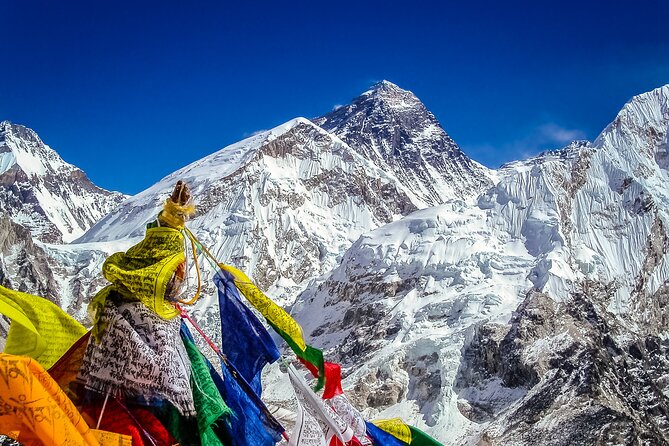
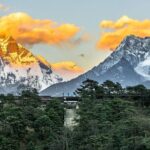
Today climbs to Tengboche at 3,870 meters in about 4–5 hours. The trail runs through rhododendron forests and you’ll pass Mani walls and chortens, plus you get panoramic mountain views along the way.
Why this day matters: Tengboche is often where people stop and actually breathe (sometimes literally). The combination of forest walking, prayer-stone scenery, and open viewpoints can feel like a reset for your attention. It’s also a day where you can judge how your altitude is treating you—if your breathing feels rough, you’ll want to keep your effort smooth and steady.
Day 4: Tengboche to Dingboche via Deboche and Imja Khola
Day 4 takes you toward Dingboche (about 6 hours of walking), starting with a descent through rhododendron forest to Deboche. You cross a bridge with the Imja Khola roaring beneath your feet, then continue through villages and gradual hill climbs toward Dingboche.
This is a good “in-between” day: the scenery stays active, but you’re not just sprinting uphill. Bridges, river crossings, and village segments keep you engaged while your body catches up to the altitude work.
If you’re sensitive to slipping on stone, slow down on the bridge approach and make sure your traction is solid. It’s not about being cautious forever; it’s about being cautious at the moments that change your footing fast.
Day 5: Dingboche to Lobuche, with the big peak lineup
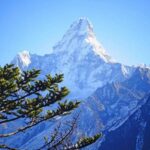
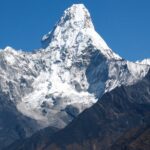
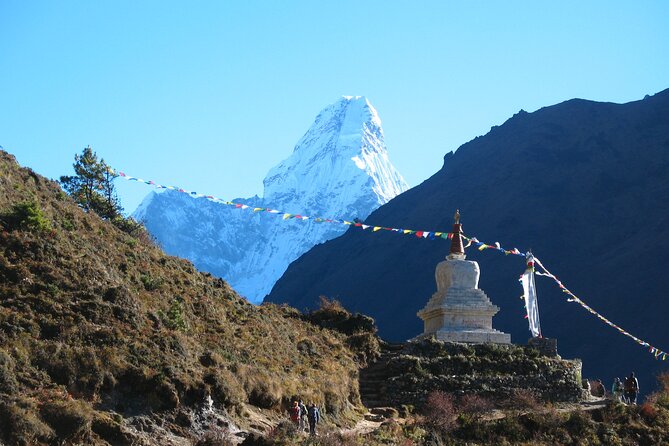
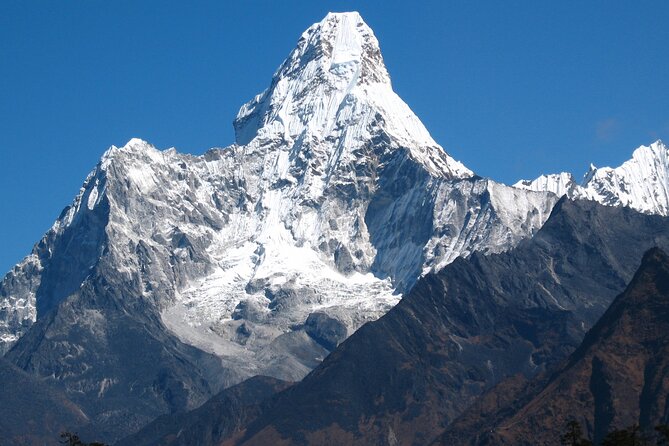
On day 5 you hike to Lobuche (around 6 hours). The day’s reward is the view wall: Ama-dablam, Lhotse, Phortse peak, and Cholatse appear in the mix as you head toward the Dughla area and then continue on.
This is one of those days where your body might start to feel the effort more clearly. That’s normal. What’s not normal is pushing too hard because you want the views right away. The route gives you long-enough time on the trail to keep it steady—so use the time and save your energy for Gorakshep and base camp.
Tea-house strategy helps too. You’ll likely be tempted to “just sit” for hours. Instead, aim for a balance: recover, eat, hydrate, and don’t wait too long to sleep.
Day 6: Lobuche to Everest Base Camp via Gorakshep, then back to Gorakshep
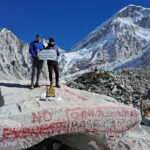
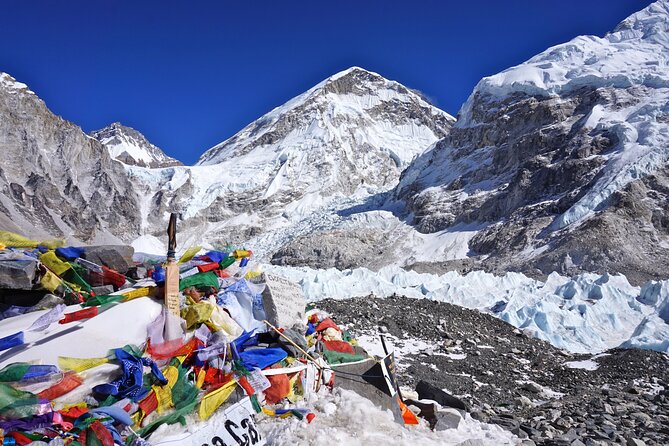
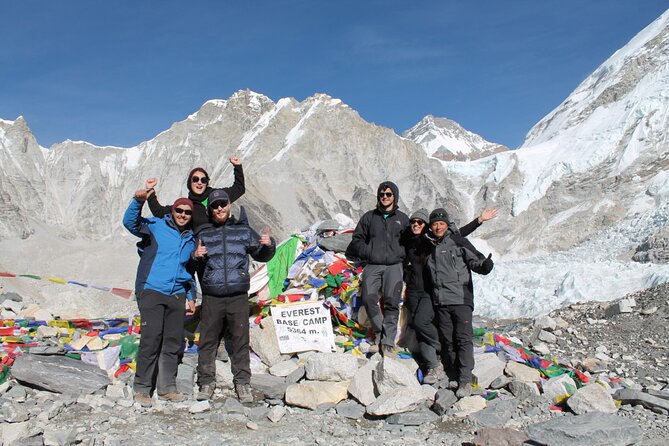
This is the big day. You walk through Gorakshep first, then continue onward to Everest base camp at 5,364m. Total time on day 6 is listed around 7 hours, and you’ll return to Gorakshep for your overnight stay after the base camp visit.
Why this day feels special: reaching base camp is the goal, but the real challenge is the rhythm. The higher you go, the more your body pays attention to breathing, effort, and hydration. It’s also where weather can change fast, which is why starting with a plan is helpful.
You’ll do lunch at Gorakshep and then continue. That structure matters because it prevents the classic problem of arriving hungry, cold, and distracted—then trying to rush base camp. Instead, you get fuel, you push onward, and you get your base camp time.
Afterward, you turn back to Gorakshep. The return walk is shorter than what you’d do on a traditional longer out-and-back trek, but it still counts. Treat it as part of the day’s climb in reverse.
Day 7: Kala Patthar at 5,545m, then helicopter to Kathmandu
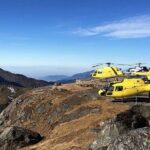
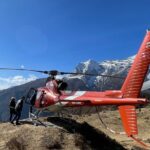
Early morning brings your final big viewpoint: Kala Patthar at 5,545 meters. You’ll head out early to catch the views, then return to Gorakshep. After breakfast, you fly back to Kathmandu by helicopter (listed as a sharing helicopter) from Gorakshep.
Kala Patthar is where Everest shows off in a very direct way. You’ll see Everest and other surrounding Himalayas from this high vantage point, and the timing often helps your chances of clear views (though nothing is guaranteed when weather is active).
This is also the day that feels the most like a travel experience, not only a hike. You’re transitioning from remote high-altitude trekking to transportation back to the capital, which is a relief if you’re short on vacation days.
Lodges and meals: simple, reliable, and built for hikers
Your overnight stays are in tea-house lodges. Comfort varies, but the setup is familiar in Nepal trekking zones: basic rooms, warmth from layers and indoor heat sources where available, and food designed for climbers rather than gourmet diners.
Meals are included for 6 breakfasts, 6 dinners, and 6 lunches. That’s useful because it reduces budget surprise and keeps you focused on the hike rather than hunting for meals at altitude.
What you’ll still pay for is personal stuff: charging, Wi-Fi, beverages, mineral water, and hot showers. If you want to stay connected or you use your phone for photos and navigation, plan extra cash and expect limited charging power at higher tea houses.
Weather, flights, and how to stay calm when the mountains decide
This trip relies on two types of air travel: Kathmandu to Lukla and Gorakshep to Kathmandu by helicopter. Both can be affected by weather.
The practical way to handle it is mindset: treat your schedule as flexible, not fixed. If a delay happens, your guide and crew will manage it, and you may wait rather than sprint. Being patient isn’t fun—but it protects your energy and keeps stress lower.
Your best tool is preparation: keep warm layers accessible, protect your gear from moisture, and avoid packing too many bulky items you can’t manage if you need to wait.
Who this trek suits best (and who should reconsider)
This works best for you if:
- You’re looking for a shorter Everest base camp itinerary (about a week)
- You’re physically fit at a moderate level
- You want the classic route experience, including Namche, Tengboche, Dingboche, and Lobuche
- You value the convenience of helicopter return
It may be less ideal if:
- You hate uncertainty around flight timing
- You’re not comfortable with high altitude effort, even with gradual acclimatization
- You want total control over every aspect of transportation (air schedules can change)
Also, if you’re traveling solo, a small group can actually be a comfort. You’re not alone out there, and a well-run guide team can help you move smoothly.
Should you book this Everest base camp + heli return trek?
If you have limited time and you want a serious Everest experience without extending into a long multi-week trek, I’d take a hard look. The combination of a guided route, tea-house nights, included permits, and a helicopter return from Gorakshep offers a strong value proposition for people who want “Everest, done right, fast.”
Book it if the idea of early starts and altitude effort feels manageable. Don’t book it if you only feel comfortable with fully guaranteed flights and perfectly predictable plans. The mountains run the show here—you’re there to work with them, not fight them.
FAQ
FAQ
Where is the meeting point in Kathmandu?
The meeting point is the TIA Domestic Terminal parking lot in Kathmandu, Nepal (44600). The tour ends back at the same meeting point.
What time does the trip start?
The start time is 5:15 am.
Are airport transfers included?
Yes. Airport transfers are included, with pickup and drop upon arrival and departure for the trek.
How do you get to and from the trekking route?
You fly from Kathmandu to Lukla. Near the end, you fly from Gorakshep back to Kathmandu by helicopter.
What meals are included?
The package includes 6 breakfasts, 6 dinners, and lunches listed as 6.
Are trekking permits included?
Yes. Necessary trekking permits and entrance fees are included.
What fitness level do I need?
This tour is for travelers with a moderate physical fitness level.
Is this experience refundable?
No. The experience is non-refundable and cannot be changed for any reason. If it’s canceled because a minimum number of travelers isn’t met, you’ll be offered a different date/experience or receive a full refund.