REVIEW · KATHMANDU
Everest Base Camp Heli Tour
Book on Viator →Operated by Outshine Adventure Pvt Ltd · Bookable on Viator
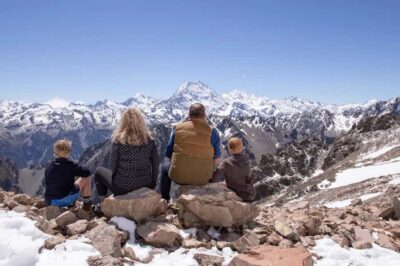
Everest looks different when you don’t hike to it. This Everest Base Camp heli tour turns Kathmandu into quick access to Everest-area viewpoints, with flight legs measured in minutes and views that stretch across multiple major peaks.
Two things I really like: the plan is built around tight sightseeing time (about 4 to 9 hours total), and you get full window-seat viewing in small groups of up to 5. There’s also pickup by private car and a mobile ticket, so the day feels structured instead of chaotic.
One thing to weigh: it runs on weather. If conditions aren’t right, your flight can be rescheduled or refunded, and helicopter flying also comes with a listed per-passenger weight cap (198 lbs).
In This Review
- Key Highlights to Know Before You Go
- Why This Everest Base Camp Heli Tour Makes Sense
- From Kathmandu: Pickup, Airport Timing, and Your Seats
- Lukla and Sherpa Culture: Seeing Khumbu Life Without the Trek
- Tengboche Monastery Overfly: A Calming Contrast to Everest
- Syanbouche Landing (13,000 Feet) and the Everest View Hotel Stop
- Everest Base Camp and Kala Patthar: Overfly Value vs Trek Reality
- The Peaks You’ll Try to Spot (and Why It’s More Than Trivia)
- Price and What You’re Really Paying For ($1,675)
- Small Group Size, On-Time Planning, and Real-World Tips
- Should You Book This Everest Base Camp Heli Tour?
- FAQ
- How long is the Everest Base Camp heli tour?
- Where does the tour start and end?
- Is airport transportation included?
- Do I get a window seat?
- What is included in the price?
- What is not included?
- Is there a weight limit?
- Is this tour dependent on weather?
- How many people are in the group?
Key Highlights to Know Before You Go
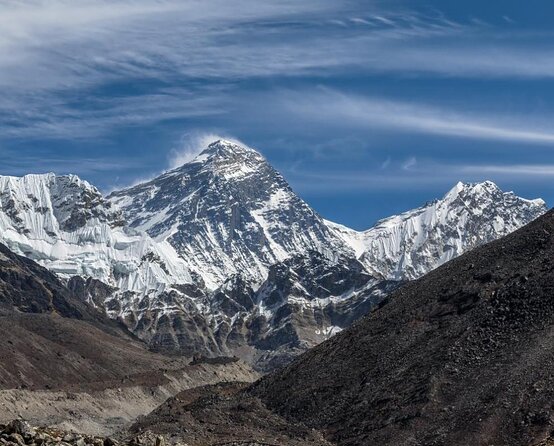
- Short flight time, huge payoff: flight segments are about 3 to 4 minutes, but the views change fast.
- Small group for better sightlines: up to 5 travelers, with sharing seating arrangements.
- Lukla stop for Sherpa culture vibes: you’ll see daily life around Lukla depending on timing.
- Syanbouche landing near Everest View Hotel: the landing elevation listed is 13,000 feet.
- Aerial look at the Icefalls and glaciers: you’ll get overflights of Everest-area highlights instead of a slow grind.
Why This Everest Base Camp Heli Tour Makes Sense
If you’re short on time, or your knees would rather not do the long trek, this tour is a practical workaround. Instead of spending days moving uphill, you get a fast route from Kathmandu into the Everest region for dramatic aerial viewing and a couple of targeted look-and-look-again stops.
I like that the experience is intentionally focused. You’re not being asked to learn complicated trekking routes or manage altitude the slow way. You’re moving through the day in a tight loop, with a helicopter window doing most of the work. That’s the core value: you trade effort for access.
The other smart piece is how the route is described. You’re not just pointed at Everest’s highest peak; you’re given a wider peak checklist you can try to spot from above (Everest, Lhotse, Cho Oyu, Makalu, Ama Dablam, Island Peak, and more). Even if you can’t identify every mountain name in the moment, the skyline is the point—and helicopters make the skyline feel close.
You can also read our reviews of more tours and experiences in Kathmandu.
From Kathmandu: Pickup, Airport Timing, and Your Seats
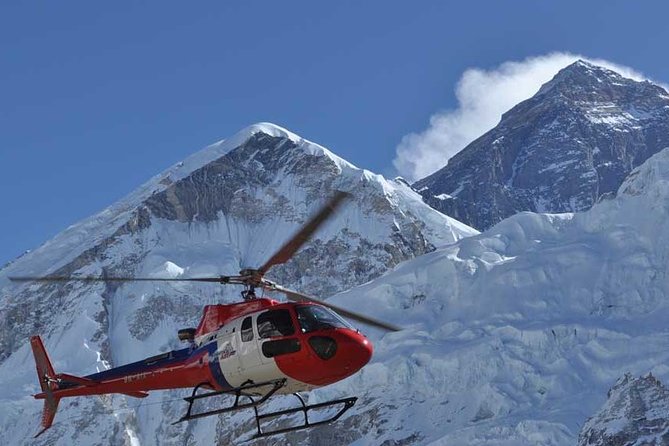
Your day starts in Kathmandu (meeting point listed as Kathmandu 44600, Nepal), and you’re picked up by private car. This matters more than it sounds. Airport transfers in Nepal can get messy if you’re handling timing yourself, especially when your helicopter window is fixed.
The itinerary is built around a helicopter day flight with flight time around 3 to 4 minutes. That short airborne time is exactly what makes this style of tour work: you don’t need a day full of transfers to get the main sights.
Seat setup is another detail I’d pay attention to. The tour notes sharing seating arrangements up to 5 pax, and it also says you can have full window seats depending on whether you’re in a 2-, 3-, 4-, or 5-person group. If window time matters to you (it does for Everest views), it’s worth confirming your group size before you book, so you know whether you’ll get the kind of viewing angle that makes photos easy.
You’ll also use a mobile ticket, which typically makes check-in simpler. Still, keep your confirmation details handy offline just in case.
Lukla and Sherpa Culture: Seeing Khumbu Life Without the Trek
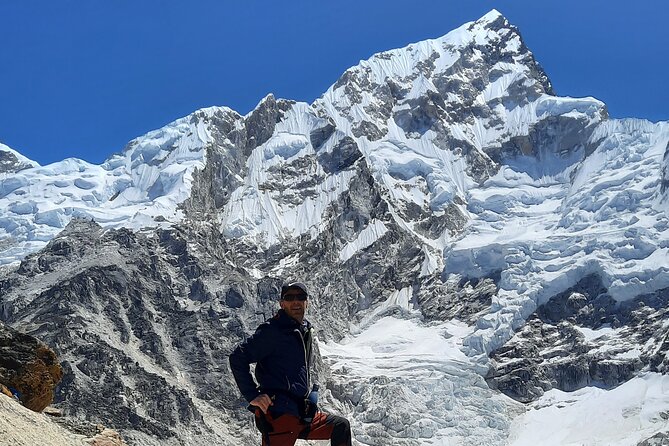
A big part of the emotional pull of the Everest region is people, not just peaks. This tour includes a stop at Lukla (depending on time), and it’s framed as a chance to observe daily lifestyle, culture, and tradition of local communities.
From a practical point of view, Lukla is one of the most meaningful places you can touch on the Everest path because it feels like a working gateway town. You’re not just looking at scenery—you’re catching a glimpse of how life continues under the shadow of big mountains.
You should temper expectations: because this is a helicopter tour with a broader sightseeing plan, any Lukla time is likely brief compared with a trek. But even a short stop can be worthwhile if you’re trying to balance Everest views with a real sense of Khumbu culture.
I’d also recommend treating Lukla as a photo-and-observation moment. If you want long walks, you’ll need a hiking-based itinerary instead.
Tengboche Monastery Overfly: A Calming Contrast to Everest
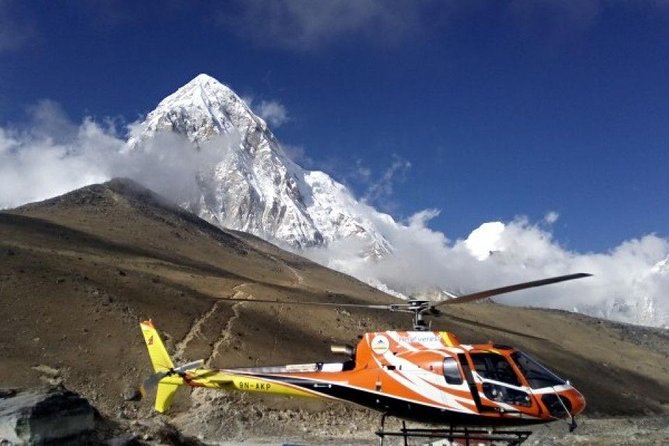
One of the more interesting route details is the aerial views of Tengboche monastery, described as the oldest monastery of the Khumbu region.
Tengboche gives you a different angle on the Khumbu world. The monastery area is often a place trekkers talk about for its spiritual atmosphere and mountain framing. Here, you won’t be visiting for long in the usual trek sense, but you still get the key advantage: you see it from above and can connect the landmark to the broader Everest skyline.
This works especially well if you’ve seen photos of Tengboche before. From a helicopter window, you can often place it more clearly in relation to surrounding peaks and valleys. Even if you don’t master the geography, it helps the region feel less like random mountain names and more like a map with meaning.
Syanbouche Landing (13,000 Feet) and the Everest View Hotel Stop
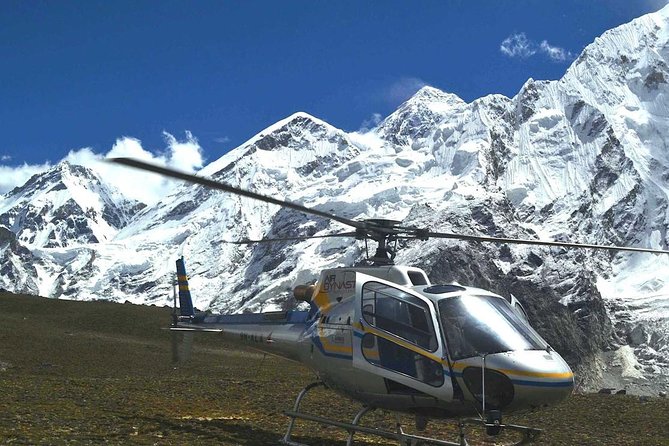
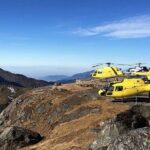
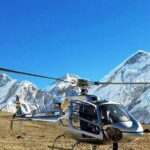
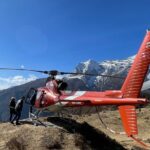
The experience description includes a landing at Syanbouche (13,000 feet) at the Everest View Hotel area. That’s the kind of detail that changes the whole feel of a day tour: you’re not only looking; you’re landing.
What I’d expect you to appreciate here is the altitude and the sense of arrival. Helicopter tours can sometimes feel like “look and go.” A landing spot helps it feel like a checkpoint—one moment in the day where you can step back, take photos, and let the views hit you from ground level.
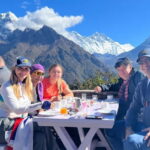
There’s also an optional meal angle. One review specifically advised having cash for breakfast at the hotel at around 3,800 meters, and mentioned at least $32. So if food matters to you at that point in the day, plan ahead and don’t assume card payments.
Because the itinerary gives landing and stop details but not exact time on the ground, treat this as a short stop rather than a full meal-and-mingle situation. Bring essentials, move efficiently, and enjoy it for what it is: a high-altitude pause.
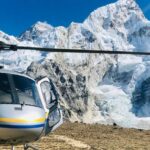
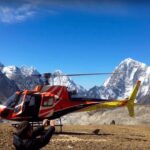
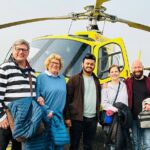
Everest Base Camp and Kala Patthar: Overfly Value vs Trek Reality
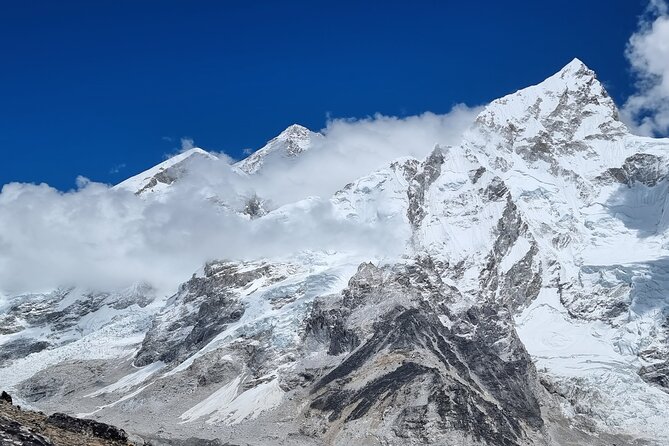
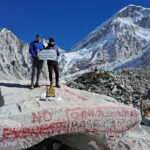
The centerpiece promise is an overflight of Everest Base Camp / Kala Patthar. Overflights are not the same as trekking up to Base Camp or walking Kala Patthar, but they can still be spectacular for the right traveler.
Here’s the value calculation I’d make if I were deciding: trekking to Base Camp is slow, and weather can also disrupt plans for days. A helicopter overfly doesn’t replace the trek’s texture—camp life, gradual altitude changes, the long rhythm—but it does give you a rapid “I’m in the Everest zone” experience.
It also helps if you’re traveling with someone who wants the Everest dream but can’t commit to the trekking demands. You still get the dramatic Icefalls and glacier views described in the route details, and you’ll see Everest, Lhotse, Nuptse, and more from a perspective you can’t get from a road trip.
A practical consideration: because this is a flight-based viewpoint, you’ll likely have limited time to compare angles. Your best chance for great photos is to be ready when the route lines up—have your camera accessible and your settings chosen before you look.
The Peaks You’ll Try to Spot (and Why It’s More Than Trivia)
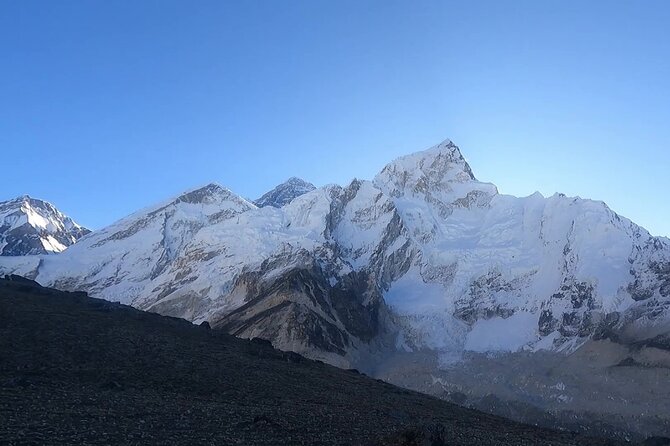
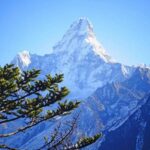
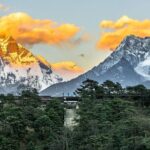
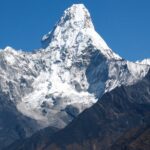
The route listing names a whole collection of peaks: Everest, Lhotse, Cho Oyu, Makalu, Ama Dablam, Island Peak, and others like Nuptse, Pumori, and the general Everest-region skyline.
You don’t need to memorize names to get value from this. Mountain naming is there so you can connect what you see to a real mental map. From a helicopter, distance can be deceiving; peaks can look closer than they are. Having the names gives you an anchor.
I also like that the itinerary explicitly mentions Khumbu Icefalls and numerous glaciers. That’s the visual “signature” of Everest-area terrain. When you see it from the air, the icefall structure and glacier fields make the scale of the region feel real in seconds.
And if you’re the type who likes learning on the spot, this is where a guide’s context can help—especially for understanding why the route goes where it goes. The provided info doesn’t spell out a helicopter guide on every leg, but a number of service reviews praised the overall route guidance and organization, so expect someone to keep things moving and explain what you’re looking at during the day.
Price and What You’re Really Paying For ($1,675)
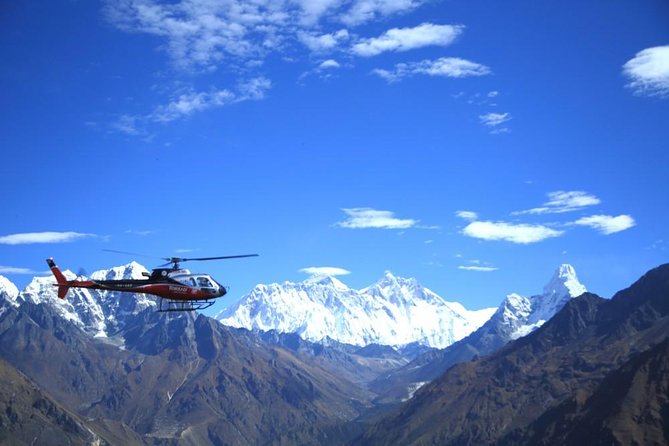
At $1,675 per person, this is not a budget activity. But it’s also not just a “seat rental.” You’re paying for:
- Private car pickup in Kathmandu
- A helicopter experience built around short flight segments and scheduled viewing
- Helicopter fares included
- A small-group setup (up to 5 travelers)
The biggest thing to understand is what’s not included. You’ll still want to budget for Everest National Park, airport tax, and Khumbu entrance fees. You also handle personal gear (warm clothes, warm walking shoes, sunglasses, cap, gloves). On days like this, forgetting one item can turn discomfort into a real problem fast.
Then there’s the altitude comfort issue. Even if the helicopter keeps you out of long trekking time, you’ll likely need warm layers during higher-elevation moments. It’s the kind of day where being prepared is part of the cost—even if your money stays in your own bag.
For value, I’d ask one question: do you want the Everest views enough to pay to access them quickly? If the answer is yes, the price starts to make sense because you’re buying time. If you want a lower cost and a slower, more immersive mountain journey, you’ll likely prefer a trek itinerary instead.
Small Group Size, On-Time Planning, and Real-World Tips
This tour caps at maximum 5 travelers. That’s not just a number. Small groups generally help with crowd control and quicker movement between steps of the day.
The reviews tied to the mountain flight experience also praised pick up service, being on time, and time management and route guidance. That’s exactly what you want for a helicopter day, where delays can snowball. In other words: this tour seems to prioritize keeping the schedule tight.
Here’s a practical tip you can take right now: if you plan to eat at the Everest View Hotel, bring cash. One review gave a specific warning to have at least $32 for breakfast at around 3,800 meters. Even if you don’t eat, having some cash makes you less stressed when the day runs a bit differently than you planned.
Also, check your group size if window seating matters to you. The tour description ties full window seats to 2-5 pax setups, so your best viewing could depend on how your group is arranged.
Should You Book This Everest Base Camp Heli Tour?
Book it if:
- You want Everest-area views fast and you’re okay with limited time on the ground.
- You care about getting the geography from above—Base Camp/Kala Patthar overfly, Icefalls, and major peaks.
- You like small-group days and want someone to handle the schedule (pickup, route, and timing).
Skip it (or consider something else) if:
- You need a guarantee for landing time or long stays at viewpoints, since good weather is required for this experience.
- You’re over the listed 198 lbs weight limit for a passenger.
- You’d rather spend days traveling through the region than pay for quick access.
If you match the first list, this tour feels like a smart way to buy a chunk of Everest in a single day.
FAQ
How long is the Everest Base Camp heli tour?
The total experience time is listed as 4 to 9 hours (approx.), with flight time around 3 to 4 minutes.
Where does the tour start and end?
It starts in Kathmandu (44600, Nepal) and ends back at the meeting point.
Is airport transportation included?
Yes. Airport transportation by private car is included.
Do I get a window seat?
The tour notes full window seats for groups of 2 to 5 people, and it also mentions sharing seating arrangements up to 5 pax.
What is included in the price?
Included items are helicopter fares and airport transportation by private car (plus the helicopter-day seating arrangement up to 5 pax).
What is not included?
Not included: Everest National Park, airport tax, and Khumbu entrance fees, plus personal equipment. Breakfast in Everest View Hotel is optional.
Is there a weight limit?
Yes. The listing states total weight per passenger: 198 lbs.
Is this tour dependent on weather?
Yes. The experience requires good weather. If it’s canceled due to poor weather, you’ll be offered another date or a full refund.
How many people are in the group?
The tour has a maximum of 5 travelers.
If you want, tell me your travel month and whether you’re going solo, couple, or group. I can help you think through whether this is the right fit versus a trek-style Everest plan.