REVIEW · KATHMANDU
Helicopter Return Everest Base Camp Trek, KTM-LUKLA & Gorakshep-KTM by Heli
Book on Viator →Operated by Himalaya Holiday service Pvt. Ltd.(HHS) · Bookable on Viator
Everest Base Camp is a journey that changes you fast. What makes this version special is the helicopter return from Gorakshep and the way it’s built around Sherpa villages, acclimatization, and mountain-time planning. I also like that the operation leans on Buddhi for organization and Dipak for a guide-style hike that keeps things clear and enjoyable, not just grindy. One thing to think about: part of the helicopter price is not included, and you’ll still budget for lunches/dinners and a porter if you want one.
On paper, you start in Kathmandu, fly (or helicopter) to Lukla, then work your way upward through the Khumbu. The route hits classic anchors like Namche Bazaar, Tengboche, Dingboche, Gorakshep, Everest Base Camp, and the big payoff viewpoint at Kala Patthar. In the evenings you’re living the tea house rhythm—simple food, warm conversation, and that feeling of being surrounded by giants.
The possible drawback is altitude math and weather math. Even with scheduled rest days, you’re going high enough that you must move smart, hydrate, and follow your guide’s pace—and helicopter timing can depend on conditions too.
In This Review
- Key Things I’d Focus On Before You Go
- Price and Logistics: What the $9,999 Really Buys
- Kathmandu Start: Getting Oriented Without Losing a Day
- Lukla Jump: Flight Day vs Helicopter Day
- Phakding to Namche Bazaar: The Altitude Ramp That Doesn’t Waste Time
- Namche Rest Day: Why You Don’t Rush This Stop
- Tengboche and Dingboche: Temples, Views, and Controlled Suffering
- Lobuche to Gorakshep: Getting Ready for the Big Days
- Everest Base Camp and Kala Patthar: The View Day You Remember
- Return Trek: Pheriche Back Toward Namche and Lukla
- Guide and Team: Why Organization Makes the Hard Parts Easier
- Packing for Cold and Wind: Don’t Trust Warm Forecasts
- Tea Houses and Meals: What’s Covered, What’s Not, How to Think About It
- Who This Trek Fits Best
- Should You Book This Everest Plan?
- FAQ
- How long is this Everest Base Camp trek?
- Do I need permits for this trek?
- What’s included in the price?
- Are lunch and dinner included?
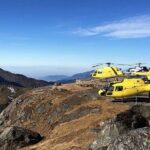
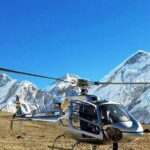
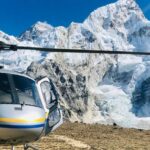
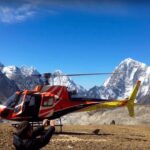
- How does the helicopter part work?
- Is there a porter included?
- What time does the tour start each day?
- How big is the group?
- What if weather cancels the experience?
Key Things I’d Focus On Before You Go
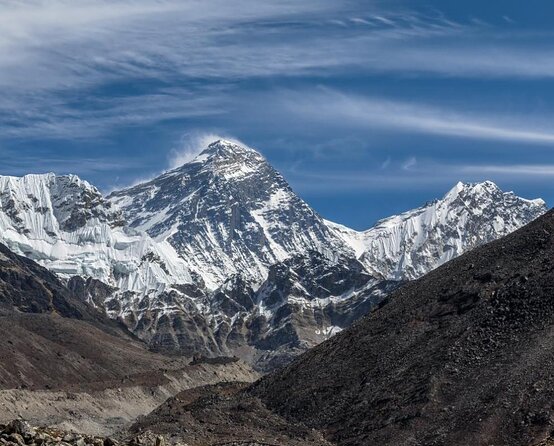
- Helicopter return from Gorakshep to save your legs and shorten the high-altitude logistics stress.
- Dipak as a mountain guide with the kind of planning and explanation that makes the trail feel easier to understand.
- Buddhi’s coordination—the trip runs smoother when someone handles timing, info, and the local moving parts.
- Tea house breakfasts included (and you’ll plan on paying locally for lunches and dinners).
- Kala Patthar timing—you go high for views that are famous for a reason, then you still have a long descent day.
- Small-group feel with a maximum of 15 people, which helps the experience stay organized.
Price and Logistics: What the $9,999 Really Buys
Let’s talk money plainly, because Everest is expensive—and the difference between good and good value is usually what’s included.
This tour price lists at $9,999 per person, and it includes:
- Tea house in-mountain stays (tea house options are part of the trek style)
- A trekking guide
- Permits (entry and trekking permits)
- Breakfasts (9 breakfasts listed)
What you’ll pay extra for:
- Lunch and dinner (you pay locally)
- Helicopter legs if you’re using the sharing flights listed:
- Kathmandu to Lukla: USD 400 per person (sharing, in certain months)
- Gorakshep to Kathmandu: USD 999 per person (sharing, in certain months)
- Porter: USD 30 per day, paid directly at Lukla
- Optional private helicopter pricing (see FAQ)
That means the headline price may or may not cover all helicopter segments you’re picturing. Before you commit, I’d want you to confirm exactly which helicopter legs your package includes versus what you’re paying on top. It’s the fastest way to avoid sticker shock.
The value angle here is simple: the trek portion is real and classic, but the return is designed to reduce the most tiring, highest-altitude day-by-day hassle. If you’ve ever watched someone crawl down from Gorakshep, you’ll understand why that matters.
You can also read our reviews of more tours and experiences in Kathmandu.
Kathmandu Start: Getting Oriented Without Losing a Day
Your trip starts with an arrival day in Kathmandu at 1,350m / 4,430 ft. Kathmandu is your buffer zone—time to get your kit in order, settle your permits, and handle the small stuff that can otherwise become a problem later.
This schedule also notes a pickup offered, and the start time is listed as 5:45 am. That typically signals early-day planning on trekking days, so you should think of mornings here as part of the routine, not an exception.
If you’re prone to arriving stressed, this is where you fix it. Use Kathmandu to:
- organize layers for cold and wind
- buy any last-minute trail basics
- make sure you know how you’ll carry water and snacks for the walking hours
Lukla Jump: Flight Day vs Helicopter Day
To reach the Everest region, you use the Lukla airport route. The standard trekking pattern begins with a short flight to Tenzing-Hillary Airport (Lukla) at 2,828m / 9,279 ft, followed by a trek down into the valley toward Phakding.
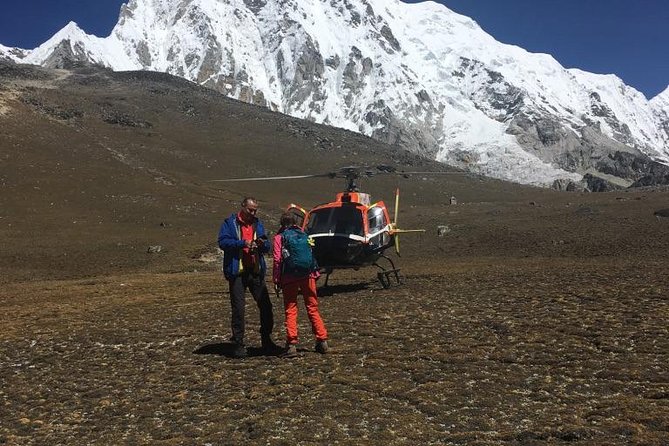
This trip also includes helicopter options for the Kathmandu-to-Lukla leg (sharing pricing is listed for certain months). The real difference for you is how you feel on day one:
- A flight to Lukla is still intense, but it’s fast.
- Helicopter can feel more direct and can reduce exposure to flight delays, though it still depends on weather.
Either way, the first trekking day is a gentle start by Everest standards: trek about 3–4 hours to Phakding at roughly 2,780m / 9,121 ft. You’re warming up your breathing and testing your footwear—two things that matter later.
Phakding to Namche Bazaar: The Altitude Ramp That Doesn’t Waste Time
Day 2 and Day 3 matter because they set your pace.
- Day 2: Lukla to Phakding (3–4 hrs)
- Day 3: Phakding to Namche Bazaar (3,440m / 11,287 ft) (5–6 hrs)
You’ll walk through classic Khumbu villages and cross the suspension-bridge rhythm you see across this region—prayer flags are common on the trail, and prayer wheels and chortens show up as constant reminders that this is an inhabited spiritual landscape, not just a hiking corridor.
Namche is the big scene. It’s a trading hub with shops, food options, and the cultural “center of gravity” for many hikers. I like it because it gives you a break from the monotony of altitude slogging. You get views, but you also get choices: gear, snacks, and simple comforts that can make the next stretch easier.
Namche Rest Day: Why You Don’t Rush This Stop
You’re scheduled for a rest day in Namche. This is a smart piece of planning. You’re at 3,440m, and the climb ahead keeps pushing.
On rest day, you’ll do what rest days are for:
- let your body catch up
- get comfortable with the temperature and wind
- take short walks if your guide suggests it, rather than forcing a “big hike” that costs you later
This is also where your guide’s role really shows. A good guide doesn’t just point at the trail. They watch your breathing and energy, and they tell you when to slow down.
If you end up with the kind of guidance people describe around Dipak, you’ll likely find the rest day feels purposeful, not random.
Tengboche and Dingboche: Temples, Views, and Controlled Suffering
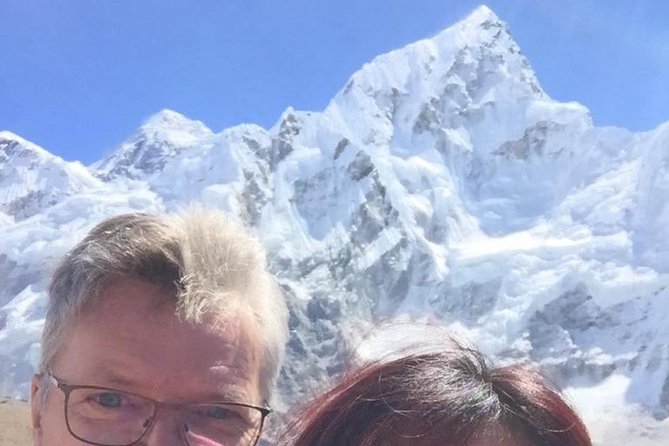
After Namche, the route goes to:
- Day 5: Tengboche (3,850m / 12,632 ft), 4–5 hrs
- Day 6: Dingboche (4,350m / 14,272 ft), 4–5 hrs
- Day 7: Rest day in Dingboche
Tengboche is where monasteries and the whole spiritual vibe of the Khumbu becomes more visible. This is also where many people start paying closer attention to weather and cloud cover, because visibility can change quickly.
Dingboche is higher and colder. Rest day here is valuable because it helps reduce the odds of feeling wrecked later, especially as you move toward Lobuche and the high plain around Gorakshep.
One drawback to know: the cold can hit harder than you expect. Your layers aren’t optional here. Your schedule gives you time, but it doesn’t shield you from mountain temperature.
Lobuche to Gorakshep: Getting Ready for the Big Days
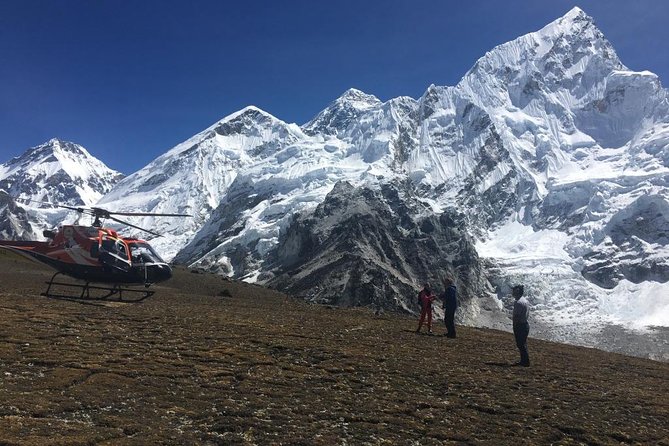
- Day 8: Trek to Lobuche (4,910m / 16,109 ft), 4–5 hrs
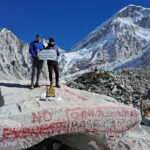
- Day 9: Trek to Gorakshep (5,180m / 16,995 ft), 3–4 hrs, then continue to Everest Base Camp (about 5,364m / 17,600 ft) for 2–3 hrs
This is where the trip turns serious.
Gorakshep is high and exposed. The terrain can feel flatter than you expect, but it’s still altitude that makes every step cost more energy. Tea house nights here are all about staying warm, sleeping carefully, and conserving strength.
Everest Base Camp day is long: you’re going up and moving around enough to feel like you’ve really done something, not just passed through a viewpoint. And because you’re scheduled to return via helicopter later, you can feel more freedom about how you pace your final push. Still, don’t treat it like a victory lap. Treat it like your body needs fuel.
Everest Base Camp and Kala Patthar: The View Day You Remember
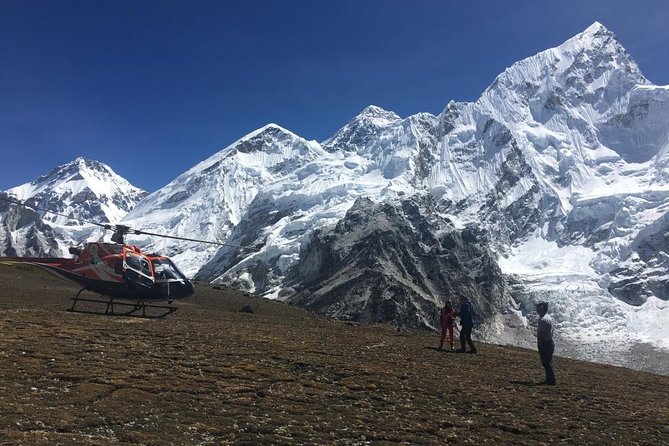
The peak viewpoint day is:
- Day 10: Kala Patthar (5,545m / 18,193 ft) 2–3 hrs, plus trek to Pheriche (4,280m / 14,042 ft) 5–6 hrs
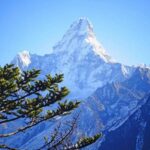
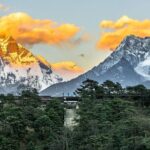
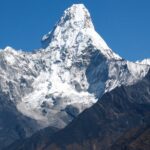
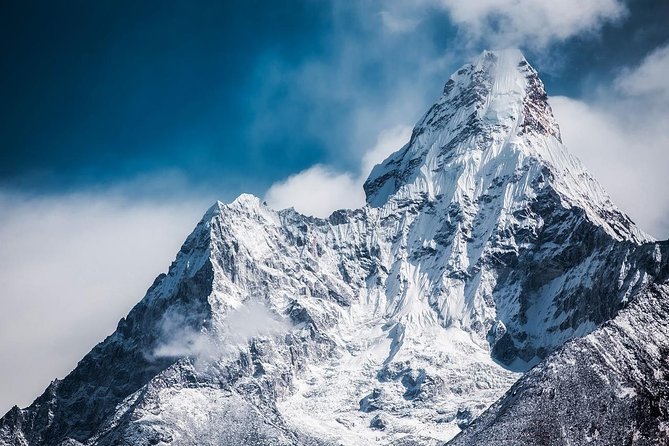
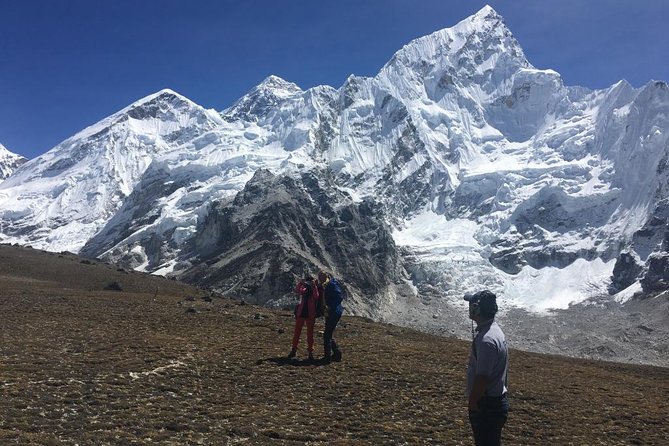
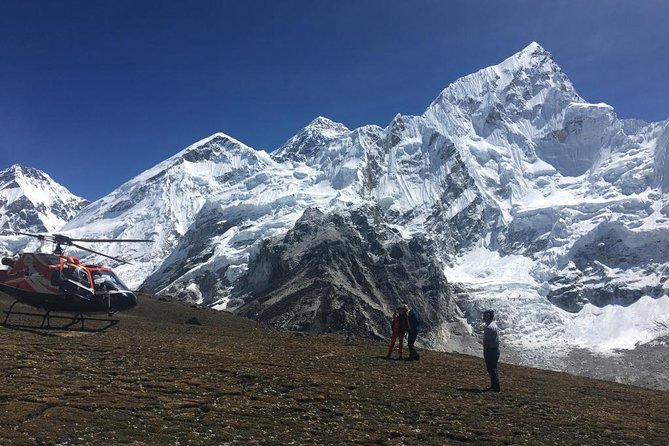
Kala Patthar is the headline viewpoint for a reason. You’re aiming for big views of Everest, plus neighboring giants like Mt. Nuptse, Mt. Pumori, Mt. Lhotse, and Mt. Changtse. You can also see features like the Khumbu Glacier, the Khumbu Icefall, glacial rivers, and avalanche paths.
Here’s what I’d plan for practically:
- Start early enough to chase good visibility.
- Expect cold hands, wind, and a slow burn from altitude.
- Bring enough water and keep sipping even if you don’t feel thirsty.
Then the day doesn’t end with views. You still trek down to Pheriche for a longer stretch. This is a day where your boot fit and sock strategy pay off.
Return Trek: Pheriche Back Toward Namche and Lukla
After the high viewpoint day, the route continues with:
- Day 11: Pheriche to Namche Bazaar (4–5 hrs)
- Day 12: Namche Bazaar to Lukla (5–6 hrs)
- Day 13: Fly back to Kathmandu (1,350m)
This section is where Sherpa community life feels more visible again. It’s also where you stop thinking about Everest as an icon and start experiencing it as a place with people, routines, and weather-dependent travel.
I like the structure of this return because it gives you time to decompress. You’re not immediately shipped back to Kathmandu the moment you hit the highest point. You get that gradual shift from high-altitude survival mode into normal trekking rhythm.
Guide and Team: Why Organization Makes the Hard Parts Easier
The most consistently praised aspect of this kind of trip is the human side: who’s holding the timeline and keeping everyone calm.
In the experience feedback, Buddhi shows up as the person who handles details and communication, and Dipak is described as an excellent guide who makes the trekking portion enjoyable and informative. There are also references to porters like Carmen and Desantis, which matters because porter support often makes your kit lighter and your day less stressful.
You don’t need to be an expert hiker to enjoy this trek, but you do need someone watching the big picture:
- pacing
- safe trekking decisions
- adapting if things change
That’s where the team matters.
Packing for Cold and Wind: Don’t Trust Warm Forecasts
This route’s packing guidance is pretty specific, and I’d take it seriously. You’ll likely need:
- a down jacket (not optional in cold tea house stays)
- warm wool hat and possibly a warm fleece/puffy layer
- waterproof Gore-Tex layer for rain or snow
- gloves, sunglasses, sun protection
- a 4-season sleeping bag is listed as optional, with you responsible to return if provided by the operator
- 4-season trekking basics: good socks (4–5 pairs), trekking trousers, and a day pack
You’ll also want a reliable water plan. The itinerary mentions walking alongside Dudh Koshi, also known as the Milky River, so staying hydrated is part of the job, even when you feel cold.
Tea Houses and Meals: What’s Covered, What’s Not, How to Think About It
Tea house lodging is part of the trekking style here, and breakfasts are included. Lunch and dinner are pay-locally. That’s normal on the trail, but it changes how you budget and what you carry.
What you can do to keep meals from becoming a hassle:
- eat breakfast enough to start strong
- carry snacks for the long walk sections
- treat hot meals as comfort and recovery after a cold climb
Food quality can vary slightly by lodge, but having meals planned around your schedule is key. When the trip runs smoothly, you don’t waste time hunting for somewhere that’s open or stocked.
Who This Trek Fits Best
This is a good match if you:
- want a classic Everest Base Camp experience with culture stops and real trekking days
- prefer not to spend extra time descending from the high point on foot thanks to the helicopter return concept
- like having a strong guide and a coordinator who keeps the logistics from turning into your problem
It might be less ideal if you:
- dislike paying extra for helicopter segments and local meals
- want a trip that feels fully fixed regardless of weather
- are not prepared for very cold, windy conditions at high altitude
The schedule says most travelers can participate, but altitude still chooses who it works for. Your decision should be guided by your fitness, your comfort with cold, and your ability to follow pacing advice.
Should You Book This Everest Plan?
I’d book it if you want the classic Khumbu route—Namche, Tengboche, Dingboche, Lobuche, Gorakshep, Everest Base Camp, Kala Patthar—while cutting the hardest return logistics with helicopter assistance. The big selling point is balance: you get real trekking time, but you’re not fully committed to a long grind back down from the high zone.
I’d pause and ask hard questions if you want absolute certainty about helicopter costs being fully included. Confirm what’s included in the base price versus what you pay as add-ons, then budget for porter support if you want it.
If you like clear guidance and a well-run operation, this is the kind of Everest trip that tends to feel organized instead of chaotic.
FAQ
How long is this Everest Base Camp trek?
The written itinerary runs from an arrival day in Kathmandu through flights back to Kathmandu, with multiple trekking days and two rest days in Namche Bazaar and Dingboche.
Do I need permits for this trek?
Yes. The tour includes entry permits and trekking permits.
What’s included in the price?
The included items are tea house lodging, a trekking guide, entry and trekking permits, and breakfasts (listed as 9).
Are lunch and dinner included?
No. Lunch and dinner are not included and you pay locally.
How does the helicopter part work?
The helicopter legs are listed as add-ons with sharing prices for certain months: KTM to Lukla (USD 400 per person) and Gorakshep to Kathmandu (USD 999 per person). Private helicopter options are listed as well.
Is there a porter included?
A porter is not listed as included. The porter cost is given as USD 30 per day, paid directly at Lukla.
What time does the tour start each day?
The start time is listed as 5:45 am.
How big is the group?
This activity lists a maximum of 15 travelers.
What if weather cancels the experience?
The experience requires good weather. If it’s canceled due to poor weather, you’ll be offered a different date or a full refund.